How to Control Flies in Cattle Herds
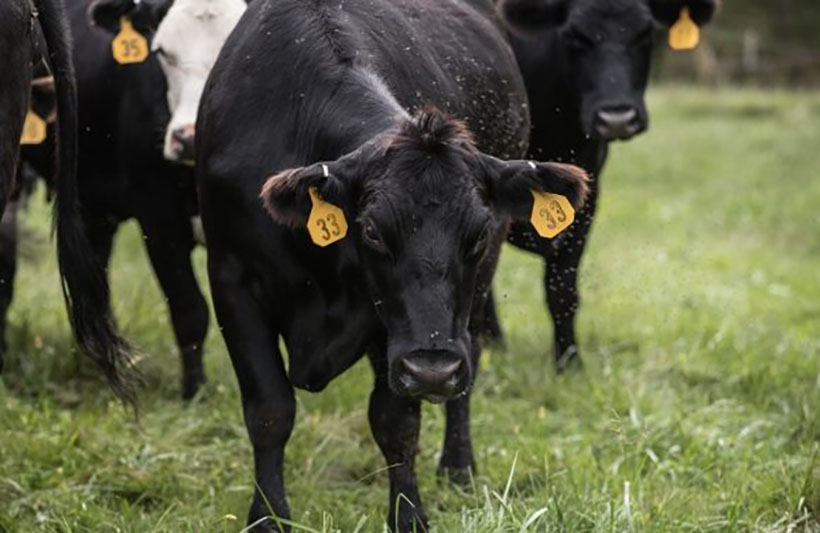
Fly control in cattle is most effective when you use a consistent, season-long pest management program. This approach can help reduce fly pressure, support performance, and overall production costs. While there is no single solution, staying consistent with your fly control plan can help support herd performance.
Table of contents
Key Takeaways
- Effective fly control in cattle requires a season-long management program to reduce fly pressure and improve herd performance.
- Common flies affecting cattle include house flies, stable flies, horn flies, and face flies, each impacting productivity differently.
- Start a fly control program 30 days before flies emerge and maintain it until at least 30 days after the first frost.
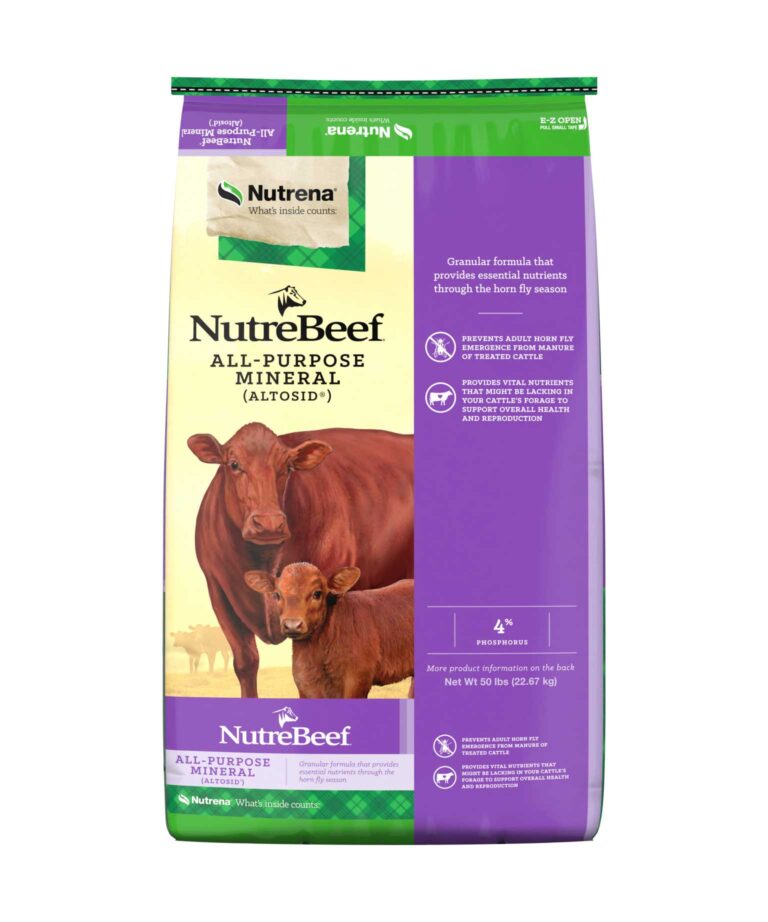
- The best fly control method is one that cattle consistently consume, with feed-through options like free choice minerals being effective.
- Managing fly populations decreases stress, allowing cattle to eat, rest, and convert nutrients effectively, improving overall productivity.
What Type of Flies Impact Cattle?
Common flies that impact cattle are house flies, stable flies, horn flies, and face flies. Each species behaves differently and can affect cattle productivity in its own way, which is why understanding these differences is key to supporting an effective fly control program.
House Flies
House flies can spread 65 disease organisms and reproduce quickly, allowing populations to escalate in a short period of time.
Stable Flies
Stable flies deliver a painful bite and tend to feed on the legs and flanks of cattle.
Horn Flies
Horn flies are bloodsucking parasites that stay on the animal. High populations can be responsible for reduced weight gain, decreased efficiency, and lower milk production.
Face Flies
Face flies feed around the eyes and can spread diseases such as pinkeye. Their feeding behavior can also cause tissue irritation due to their rough mouthparts.
When To Start a Fly Control Program?
You should start a fly control program about 30 days before flies are expected to emerge and continue through at least 30 days after the first frost. Starting early and staying consistent helps prevent populations from building and keeps fly pressure manageable throughout the season.
Taking a proactive approach is key. Once fly populations spike, they can be difficult to control, so getting ahead of emergence gives your program a stronger foundation from the start.
What is the Best Fly Control Method for Cattle?
The best fly control method for cattle is the one your herd will consistently consume and that fits how your operation runs day to day. Feed-through options like free choice minerals can be effective when used correctly and managed consistently.
If you are using a mineral-based fly control program, proper management is key to getting the results you expect:
- Provide adequate access
- Aim for one mineral feeder per 25 head to ensure all cattle have consistent intake.
- Place feeders strategically
- Set feeders in high-traffic areas like near water sources, shade, loafing areas, or bedding sites.
- If cattle are under-consuming, move feeders closer. If they are over-consuming, move them farther away and continue to adjust as needed.
- Monitor salt intake
- Make sure cattle are not craving salt, as this can impact mineral consumption.
How Does Fly Control Support Cattle Performance?
Effective fly control can support cattle performance by reducing stress and keeping cattle on feed. When fly pressure is managed, cattle spend less time fighting irritation and more time eating, resting and converting nutrients into growth and milk production.
Reduced fly populations have been shown to improve efficiency and overall productivity. With less agitation, cattle can maintain consistent intake, which supports better average daily gain, improved milk quality, and stronger milk production.1
1R. L. Byford, M. E. Craig and B. L. Crosby, “A Review of Ectoparasites and Their Effect on Cattle Production,” Journal of Animal Science, Vol.1 USDA Report 70, p.599.