How to Finish Beef Cattle for Prime Grade Results
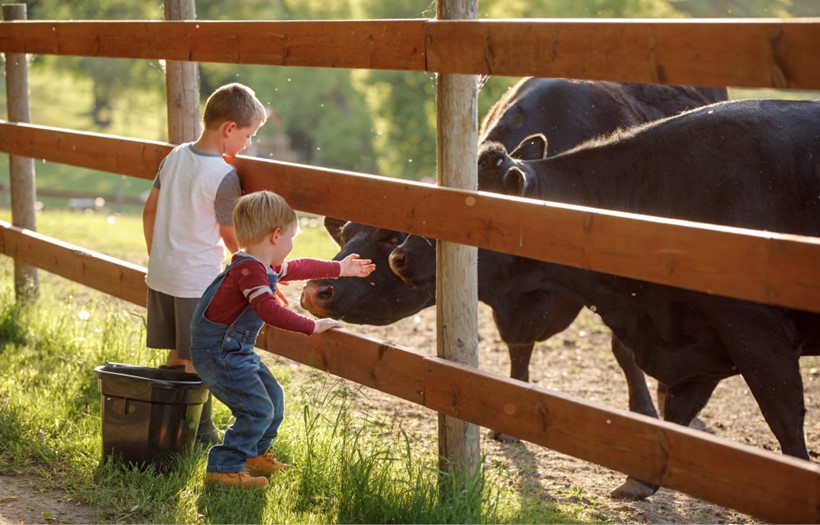
Finishing beef cattle for prime grade results starts with understanding what cattle truly need in their final phase. Your goal is to continue developing muscle, support marbling and achieve the right fat cover to be sure your beef delivers an excellent eating experience. Nutrition plays a role in hitting those targets. Choosing a finishing feed that provides the correct balance of protein, energy and key vitamins helps take the guesswork out of finishing cattle the right way.
Table of Contents
Key Takeaways
- To achieve prime grade beef, understand the requirement for muscle, marbling, and fat cover in finishing cattle.
- A high-quality finishing feed with 13% protein and controlled vitamins optimizes meat quality and supports growth.
- Energy density in the finishing ration is crucial for fat deposition, enhancing marbling and carcass quality.
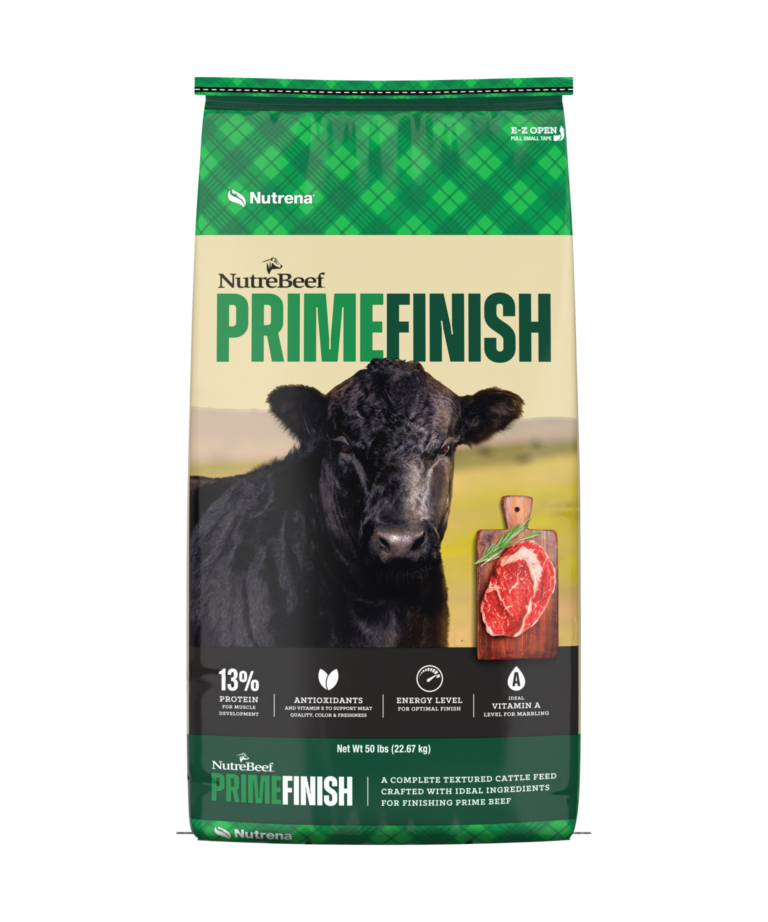
- NutreBeef Prime Finish provides an ideal formulation to help cattle finish properly and simplifies nutrition balancing.
- Use a finishing checklist to ensure cattle maintain proper condition and meet targets before harvest.
What Does Prime Finish Really Mean?
Prime finish means cattle have reached the right combination of muscle, internal fat, marbling and external fat cover. Marbling contributes to tenderness and flavor while fat cover protects the carcass throughout chilling. Muscle provides structure and yield. Hitting the correct balance across all three is what leads to a consistently premium eating experience.
A high-quality finishing feed helps you be sure your cattle hit those targets without over conditioning or stalling performance.
How Nutrition Influences Meat Quality
A 13% protein feed optimizes rumen function and feed efficiency during the finishing period while still emphasizing energy intake for marbling and fat cover.
Vitamin A levels also matter. Excessive Vitamin A can reduce marbling, so feeding controlled levels helps protect marbling potential.
Vitamin E and antioxidants support the color, bloom and shelf life of beef. Higher levels in the ration can help beef maintain a bright appearance for longer.
Putting all of these pieces together creates a nutrition plan that works with the animal’s physiology instead of against it.
Why Energy Density Matters in the Finishing Phase
Energy drives fat deposition. Fat is more than twice as calorie dense as protein or carbohydrates. The finishing ration must provide enough energy for cattle to deposit the fat needed for prime grade beef. Without adequate energy, cattle may maintain muscle but will not develop the marbling or finish required to grade prime.
A high energy textured ration also supports palatability and consistent intake, two crucial factors in keeping cattle on track during the finishing period. Energy density and proper feeding rate are both critical to achieve adequate fat cover during the finishing phase.
How NutreBeef Prime Finish Supports a Prime Finish
NutreBeef Prime Finish was designed to help cattle finish the right way. It includes:
- 13% protein to support ongoing muscle development.
- Vitamin E and antioxidants to support beef color and shelf life.
- Ideal level of Vitamin A to support marbling potential.
- Energy dense formulation to help cattle lay down the finish needed for a premium eating experience.
Each feature aligns with helping you be sure your cattle finish the way you expect. This feed takes the complexity out of balancing nutrients and reduces guesswork at the bunk.
Finishing Checklist for Producers
Use this quick list to keep your finishing program on track.
- Are cattle on a 13 percent protein feed that supports muscle development?
- Does your finishing ration provide enough energy to support marbling and fat cover?
- Are Vitamin A levels controlled to protect marbling?
- Are Vitamin E and antioxidants included to support beef color and shelf life?
- Are cattle showing consistent intake of the finishing ration?
- Do cattle maintain the right body condition as they approach harvest?
This checklist helps you evaluate your finishing program so you can be sure cattle are progressing toward prime grade results.