Fall Pet Allergies: Symptoms, Treatment & Relief
As summer fades and cooler weather arrives, many pet owners look forward to the beauty of fall. Unfortunately, the changing seasons can also bring allergy symptoms for dogs and cats. Fall pet allergies are commonly caused by seasonal pollen and mold exposure, leading to itching, skin irritation, ear infections, and other uncomfortable symptoms.
The good news is that while seasonal allergies cannot be cured, they can often be successfully managed with veterinary guidance, environmental changes, and targeted treatments. Understanding the signs of allergies and knowing when to seek help can keep your pet more comfortable throughout allergy season.
What Causes Fall Pet Allergies?
Fall allergies in dogs and cats are most often caused by environmental allergens such as:
- Tree pollen
- Grass pollen
- Weed pollen
- Mold spores
- Dust mites
Allergies occur when a pet’s immune system overreacts to substances that are normally harmless. These allergens often enter through the skin, especially when the skin barrier is compromised.
In pets with year-round allergy symptoms, indoor allergens may play a major role. House dust mites are among the most common indoor triggers and may contribute to persistent itching and skin irritation.
While food allergies can also cause skin-related symptoms, they are often considered separately from seasonal environmental allergies.
What Are the Common Symptoms of Fall Pet Allergies?
The most common signs of seasonal allergies in dogs and cats are itching, licking, scratching, chewing at the skin, ear infections, redness, and hair loss.
Common symptoms include:
- Excessive licking of the paws
- Scratching or rubbing the face
- Chewing at the skin
- Red, irritated skin
- Hair loss
- Recurrent ear infections
- Skin thickening or darkening over time
Cats may also develop small, crusty skin lesions known as miliary dermatitis.
Secondary infections caused by bacteria or yeast can make itching even worse and often require veterinary treatment.
Which Pets Are Most Likely to Develop Allergies?
Most dogs and cats begin developing allergy symptoms between one and three years of age. Symptoms may start mild but often become more noticeable over time.
Any pet can develop environmental allergies. However, genetics can play at role, and some dog breeds appear more commonly affected, including:
- Golden Retrievers
- Labrador Retrievers
- West Highland White Terriers
- Bulldogs
- Boxers
- Pugs
- Shih Tzus
- Lhasa Apsos
- Chinese Shar-Peis
How Do Veterinarians Diagnose Pet Allergies?
Veterinarians typically diagnose seasonal allergies based on your pet’s age, medical history, and clinical signs.
Additional testing may be recommended to identify specific allergens, including:
- Allergy blood tests
- Intradermal skin testing
- Evaluation for secondary skin infections
Because multiple conditions can cause itching, a thorough examination is important to rule out other causes and develop the most effective treatment plan.
How Are Fall Pet Allergies Treated?
The goal of allergy treatment is to reduce discomfort, control inflammation, and improve quality of life.
Your veterinarian may recommend one or more approaches depending on your pet’s symptoms and allergy triggers.
How Can I Reduce Allergen Exposure for My Pets?
Avoiding allergens completely is often difficult, but reducing exposure can help lessen symptoms.
Helpful strategies may include:
- Brushing your pet regularly to remove pollen and debris
- Bathing with a veterinarian-recommended hypoallergenic shampoo
- Using moisturizing rinses or sprays to support skin health
- Washing bedding frequently
- Using dust mite covers for beds
- Limiting exposure to stuffed toys if dust mites are a concern
- Running a HEPA air purifier
- Keeping pets indoors while mowing or during periods of high pollen exposure
These small changes can often make a meaningful difference in managing allergy symptoms.
What Medications Can Help Relieve My Pets Allergy Symptoms?
Several medications may help control itching and inflammation associated with seasonal allergies.
Your veterinarian may recommend:
- Antihistamines
- Omega-3 fatty acid supplement
- Corticosteroids
- Immune-modulating medications
- Janus kinase (JAK) inhibitors
- Monoclonal antibody therapies
Because every pet responds differently, treatment plans should always be developed in partnership with your veterinarian.
What Is Allergen-Specific Immunotherapy for Pets?
Allergen-specific immunotherapy is often referred to as “allergy vaccine.”
After allergy testing identifies your pet’s triggers, a customized treatment plan is developed to help desensitize the immune system to those allergens over time.
Immunotherapy may be administered through:
- Injections
- Oral medications paced under the tongue
While results are not immediate, many pets experience significant improvement with long-term treatment.
Can Nutrition Support My Pets Skin and Coat Health?
While nutrition typically does not cure seasonal pet allergies, it can play an important role in supporting overall skin health.
A healthy skin barrier helps protect against environmental irritants and certain nutrients may support skin and coat condition.
Look for diets that provide:
- Omegra-3 fatt acids
- EPA and DHA
- Balanced nutrition to support skin health
- Nutrients that help maintain a healthy coat
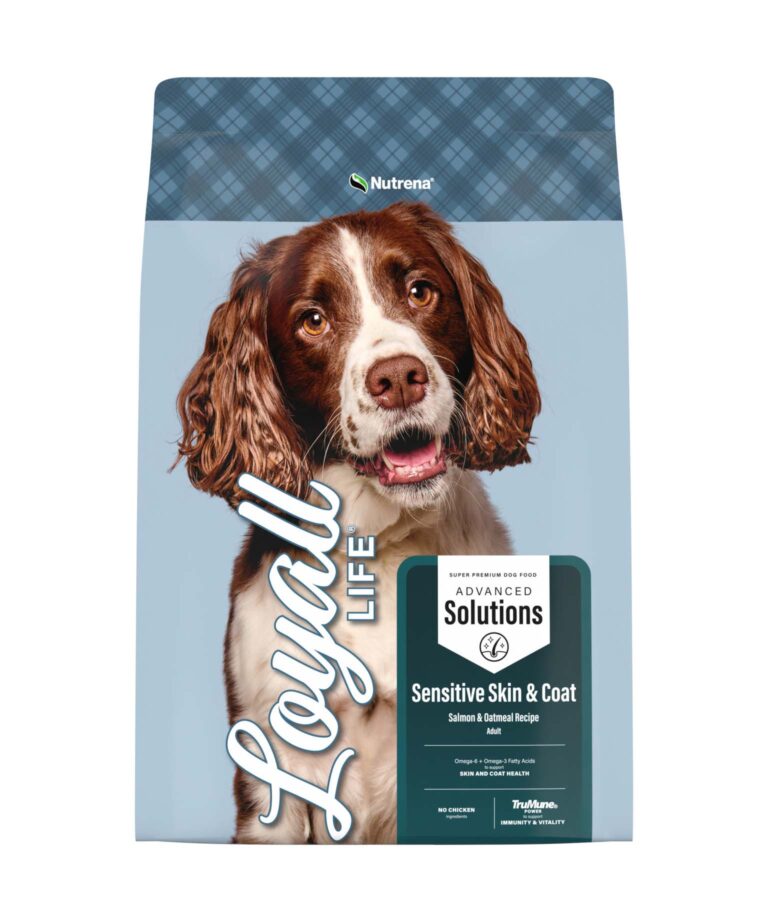
Pet owners searching for a dog food for allergies or dog sensitive skin diet should work with their veterinarian to determine the best nutritional approach for their dog’s specific needs. Diets rich in omega-3 help support a healthy coat for dogs and overall wellness as part of a comprehensive care plan.
Help Your Pet Find Relief This Fall
If you notice signs of fall allergies in your dog or cat, your veterinarian can help determine the cause and recommend the best plan for relief. With the right combination of management, treatment, nutrition, and care, many pets can enjoy the season more comfortably.
When you understand the signs and take proactive steps, you can feel confident you’re doing what’s best for your companion, giving you greater peace of mind throughout allergy season.