Holiday Pet Safety Guide: Dos, Don’t, and Seasonal Hazards to Avoid
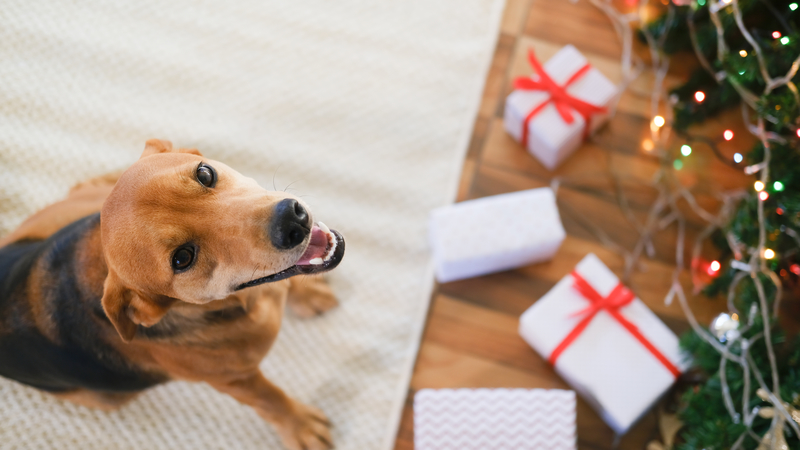
The holidays are full of family, friends, decorations, and festive meals, but they can also introduce unexpected risks for pets. From Christmas trees and holiday plants to rich foods and busy gatherings, seasonal celebrations can create safety hazards for dogs and cats.
Use this holiday pet safety guide to help keep your pets happy, healthy, and safe throughout the season.
Table of contents
- How Do I Prepare My Home for the Holidays?
- What Holiday Foods Can Be Dangerous for Dogs & Cats?
- What Holiday Decorations and Plants Can Be Dangerous to Pets?
- How Do I Manage My Pets with Guests, Parties, and Children?
- Holiday Pet Safety Checklist
- How to Have a Happy and Safe Holiday Season with Your Pets
Key Takeaways
- Holiday Pet Safety is crucial due to potential hazards like decorations, rich foods, and increased gatherings.
- Secure Christmas trees and decorations, cover tree water, and avoid using dangerous holiday plants like mistletoe and lilies.
- Prevent pets from accessing harmful table scraps, chocolate, and alcohol to avoid serious health issues.
- Create a quiet retreat for pets during gatherings, and supervise their interactions with children.
- Maintain routines and ensure pets wear ID tags and have updated microchip information to prevent them from getting lost.
How Do I Prepare My Home for the Holidays?
Holiday decorations can transform your home, but many traditional items may be tempting or dangerous for curious pets.
Christmas Tree
Place your tree in a corner whenever possible and secure it to prevent tipping. Cats may be tempted to climb, while excited dogs can accidentally bump into trees and decorations.
For added stability:
- Use a sturdy tree stand slightly larger than recommended
- Anchor the top of the tree if climbing is a concern
- Consider an artificial tree if family members or pets have allergies
Tree Water
Tree water contains bacteria, fertilizer, or additives that may make pets sick.
Do:
- Use plain water only
- Cover the treen stand reservoir to prevent drinking
Don’t:
- Add aspirin, preservatives, or fertilizers to tree water.
Ornaments and Tinsel
Shiny decorations are irresistible to many pets, especially cats.
Potential hazards include:
- Tinsel causing intestinal blockage
- Small ornaments creating choking hazards
- Broken glass ornaments causing cuts or injury
If using ornaments on lower branches, choose shatter-resistant materials such as plastic, fibric, or paper.
Wires and Holiday Lights
Electrical cords can be tempting chewing targets.
To reduce risk:
- Tape down cords whenever possible
- Use cord covers in high-traffic pet areas
- Unplug decorations when not in use
Candles
Open flames increase the risk of burns and house fires.
Best practice: Use battery-operated candles whenever possible. If using traditional candles, place them high and away from wagging tails and curious paws.
What Holiday Foods Can Be Dangerous for Dogs & Cats?
One of the most common holiday emergencies involves pets eating foods they shouldn’t.
Table Scraps
Holiday meals often contain ingredients that can upset a pet’s digestive system.
Avoid feeding:
- Rich. Fatty foods
- Turkey skin
- Gravy
- Stuffing
- Seasoned dishes
These foods may cause vomiting diarrhea, or pancreatitis.
Do: Feed your pet before guests arrive to reduce begging.
Don’t: Allow visitors to slip food under the table.
Chocolate
Chocolate contains theobromine, which can be toxic to pets.
Symptoms may include:
- Hyperactivity
- Tremors
- Increased heart rate
- Seizures
Keep desserts, candy dishes, and baking ingredients secured and out of reach.
Grapes and Raisins
Grapes, raisins, and currants can cause kidney damage in dogs.
These ingredients are commonly found in:
- Fruit platters
- Holiday breads
- Stuffing recipes
- Desserts
Keep them completely out of reach.
Alcohol
Alcohol can be extremely dangerous for pets.
Even small amounts may cause:
- Weakness
- Low body temperature
- Coordination problems
- Coma
Never leave drinks unattended during gatherings.
Turkey Bones and Fatty Foods
Holiday leftovers can create serious hazards.
Avoid giving pets:
- Cooked turkey bones
- Corn cobs
- Turkey skin
- Excess fat trimmings
Cooked bones can splinter, causing choking, intestinal damage, or blockages.
Other Non-Edible Hazards
Watch for:
- Turkey brine
- Baking strings
- Food packaging
- Foil wraps
These items can cause digestive emergencies if swallowed.
Don’t Forget the Trash
Holiday trash often contains many dangerous items.
Keep garbage securely covered and remove it frequently to prevent pets from scavenging.
What Holiday Decorations and Plants Can Be Dangerous to Pets?
Many holiday decorations contain hidden risks.
Poinsettias
Poinsettias are generally considered mildly toxic and may cause stomach upset if ingested.
Mistletoe
Mistletoe can be more dangerous and may cause:
- Vomiting
- Diarrhea
- Heat-related complications
Keep it well out of reach.
Lilies
Lilies are particularly dangerous for cats and can cause kidney failure. Avoid bringing lilies into homes with cats whenever possible.
Potpourri
Liquid potpourri can contain essential oils and detergents that may irritate or burn the mouth, skin, or eyes.
Keep container covered and inaccessible.
Gift Ribbons and Wrapping Supplies
String, ribbons, bows, and gift wrap can become serious hazards
If swallowed, these materials can cause:
- Intestinal blockages
- Linear foreign body injuries
- Emergency surgery situations
Clean up wrapping materials immediately after gifts are opened.
How Do I Manage My Pets with Guests, Parties, and Children?
Holiday gatherings can be overwhelming for many pets.
Stress and Anxiety
Some pets enjoy social events, while others become nervous with increased activity and noise.
Watch for signs such as:
- Hiding
- Trembling
- Excessive panting
- Ear pinned back
- Tails tucker
Remember: don’t expect more from your pet than they can comfortably handle
Creating a Quiet Retreat
A quiet room can help pets relax during busy celebrations.
Include:
- Food and water
- Comfortable bedding
- Favorite toys
- Access to a crate if they enjoy one
Exercise your dog earlier in the day and help reduce excess energy and stress.
Child Supervision
Children and pets should always be supervised together, especially if they are unfamiliar with one another.
Young children may unintentionally frighten pets by:
- Pulling ears or tails
- Moving too quickly
- Hugging tightly
- Making loud noises
Supervision helps keep everyone safe.
Keeping Pets Safe During Travel and Gatherings
Holiday travel and open doors increase the chances of pets becoming lost.
ID Tags and Microchips
Ensure your pet:
- Wears a collar with current identification
- Has updated microchip information
- Has current contact information attached to their tags
Emergency Contacts
Keep these numbers easily accessible:
- Primary veterinarian
- Emergency veterinary clinic
- Pet poison helpline
Having these contacts ready can save valuable time during an emergency.
Maintaining Routines
Pets thrive on consistency
Try to maintain:
- Feeding schedules
- Walk routines
- Exercise
- Bedtimes
A predictable routine can help reduce stress during busy holiday activities.
Holiday Pet Safety Checklist
Do:
✔ Secure Christmas trees and decorations
✔ Cover tree water reservoirs
✔ Keep candles, cords, and lights out of reach
✔ Maintain normal exercise and feeding schedules
✔ Create a quiet retreat for stressed pets
✔ Supervise interactions between children and pets
✔ Keep ID tags and microchip information current
✔ Store emergency veterinary contacts where they are easy to find
Don’t:
✖ Feed table scraps or fatty holiday foods
✖ Allow access to chocolate, grapes, raisins, or alcohol
✖ Leave turkey bones, corn cobs, or baking strings unattended
✖ Leave trash uncovered
✖ Assume every pet enjoys busy gatherings
✖ Leave ribbons, bows, or wrapping materials accessible
How to Have a Happy and Safe Holiday Season with Your Pets
With a little preparation, you can enjoy the sights, sounds, and traditions of the season while helping protect your pets from common holiday hazards. Keeping decorations secure, maintaining routines, and monitoring food and guests can go a long way toward ensuring a safe and enjoyable holiday for every member of the family, including the four-legged ones.