Urinary Health in Goats: What Every Owner Should Know

Urinary health is an important topic for all goat owners. Urinary health is influenced by nutrition, hydration, and overall management. While urinary health issues are relatively uncommon, male goats, particularly wethers, have a higher risk due to their natural anatomy. Proper feeding practices support urinary health across the entire goat herd.
This guide explains why urinary health challenges can occur, how nutrition plays a role in mitigating risk, and what practical steps help support long term urinary wellness in goats.
Table of contents
Key Takeaways
- Urinary health is crucial for goats, especially for wethers who are at higher risk due to anatomy and nutrition.
- Ammonium chloride in goat feeds helps prevent mineral buildup and supports urinary health for all goats.
- Owners should adopt good nutrition habits like providing clean water, encouraging movement, and avoiding excessive treats.
- Signs of urinary trouble include straining to urinate, reduced urine output, or discomfort, requiring immediate veterinary attention.
- A strong nutrition program promotes overall urinary wellness, ensuring healthy goats across the entire herd.
Why Some Goats Have a Higher Urinary Risk
Wethers are often discussed in urinary health conversations because castration can affect urinary development. When castrated early, the urethra may remain narrower, which can make it more difficult for mineral deposits to pass if they form.
While this does increase risk, urinary health issues are not limited to just wethers. Mineral balance, hydration, and feeding practices influence urinary wellness in does, bucks, and wethers alike. Understanding these factors allows owners to manage risk proactively rather than reactively.
How Ammonium Chloride Supports Urinary Tract Health
Ammonium chloride is commonly included in high-quality goat feeds because it helps support a urinary environment that discourages mineral buildup. It is not a medication and does not treat disease. Instead, it functions as part of a balanced diet to support normal urinary function over time.
When included correctly, ammonium chloride supports urinary health across all goats, not just those considered higher risk.
Nutrition Habits That Help Support Urinary Health
Simple, consistent feeding practices make a meaningful difference:
Encourage movement
Turnout space, climbing structures, or enrichment help support activity and hydration, which impact urinary wellness.
Offer unlimited clean water
Refresh water daily and clean buckets regularly. Slightly warming water in winter may encourage intake.
Feed a complete goat feed, not straight grains
Complete feeds are designed to provide balanced minerals and nutrients for daily feeding.
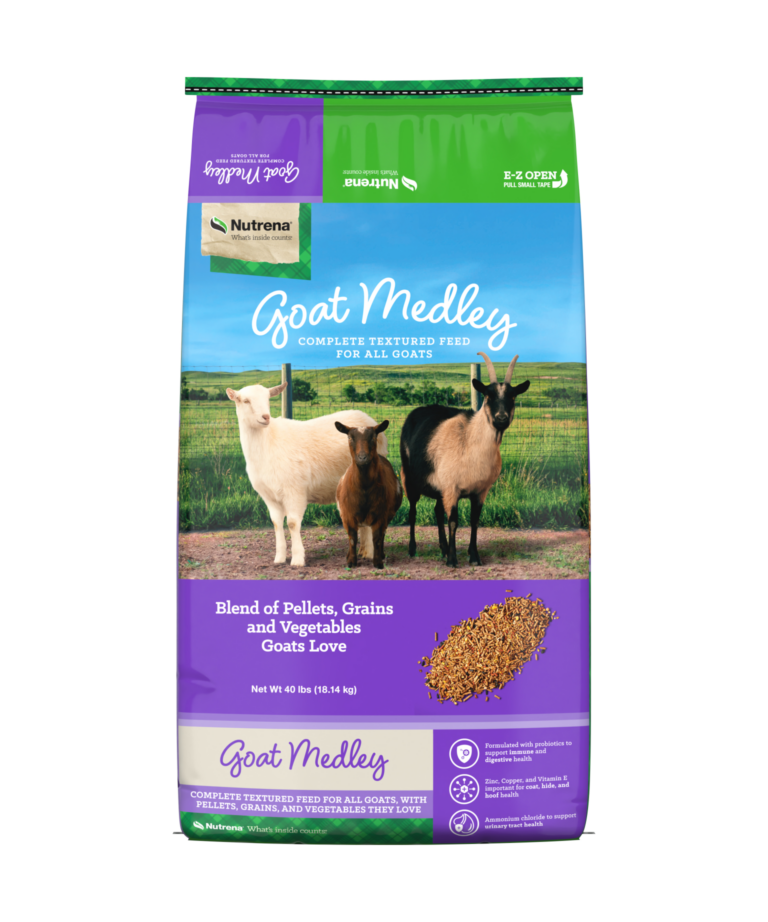
Look for feeds formulated with ammonium chloride
Including ammonium chloride as part of a complete nutrition program supports urinary wellness over time.
Limit treats
Excess starchy snacks can disrupt mineral balance. Treats should remain occasional additions.
Signs of Urinary Trouble to Watch For
Most goats remain healthy with good nutrition and care, but early recognition of urinary health issues is important. Contact a veterinarian immediately if you observe:
- Straining to urinate
- Dribbling or reduced urine output
- Restlessness or discomfort
- Vocalizing while attempting to urinate
- Arching of the back
- Reduced appetite
Urinary blockages can progress quickly and require prompt veterinary attention.
A Strong Nutrition Program Helps You Be Sure
Urinary health is shaped by daily choices. By focusing on clean water, activity, free-choice salt, and complete nutrition, owners can support comfortable, healthy goats across the entire herd with confidence.