
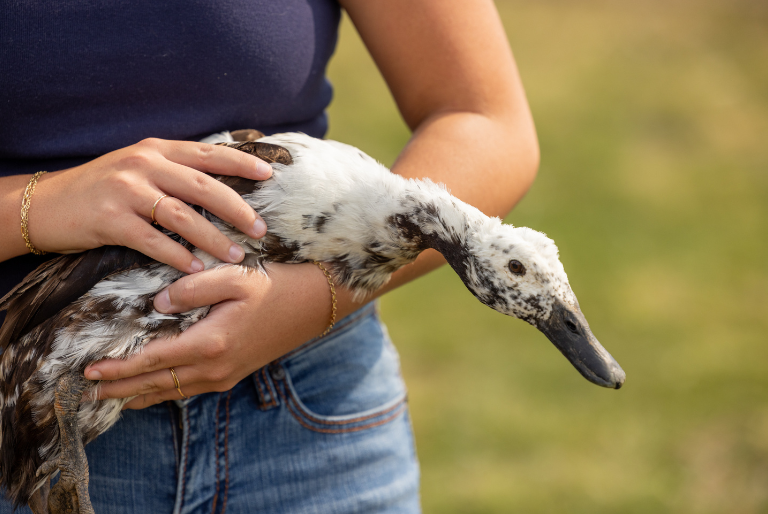
Poultry Feed for Ducks & Geese
What is the best poultry feed for ducks and geese? Find out what ingredients set Nutrena® feed apart from other duck and geese feeds on the market and why we provide the best support for your waterfowl.
FAQs About Feeding Ducks and Geese
If you’re a poultry owner trying to understand the best diet for your waterfowl, it’s important to read these frequently asked questions about ingredients, diet requirements, and what is guaranteed on your feed tag. In order to choose the best poultry feed for ducks or geese, you have to know what factors make feeding waterfowl unique and how to compare different products on the market.
-
Can you feed ducks “chicken” feed?
While it is generally safe for ducks to eat chicken feed, it should not be their sole diet long-term. Chicken feed lacks key nutrients ducks need and may contain other ingredients that pose as risks such as:
- Niacin: Ducks require 2–3x more niacin than chickens. Without enough niacin in their diet, ducks can suffer from poor feathering, diarrhea, loss of appetite, or leg deformities like “angel wing.”
- Protein: Ducks are omnivores, meaning they eat both animal and plant matter. A diet for ducks should be about 18% protein, some of which should come from animal sources. Some poultry feed, especially chick starter feeds may have too high of protein, which can cause twisted leg bones, stunted growth, or liver strain in ducks.
- Medicated Feeds: Some chicken feeds include medications (e.g., amprolium) that are not safe for ducks.
- Calcium: Compared to chickens, ducks need less calcium. Too much can be harmful.
- Balanced diet: Laying ducks need certain vitamins and minerals to stay healthy. Also, an imbalanced diet can cause a condition called angel wing, which causes the flight feathers to twist upwards.
- Prebiotics and probiotics: These elements are important to the health of both the digestive and immune systems.
- Quality feed: Ducks are sensitive to mold toxins (mycotoxins) in their feed. To prevent mold growth after purchase, store your feed in a cool, dry location.
For this reason, it is best to provide a waterfowl-specific diet.
-
How much Niacin do my ducks need?
A guaranteed minimum amount of niacin is crucial for ducks. Unlike chickens, ducks cannot synthesize niacin efficiently from tryptophan, so it must be supplied directly in their feed. Niacin (Vitamin B3) is essential for:
- Energy metabolism via NAD/NADP coenzymes
- Healthy skin and feathers
- Bone and joint development
- Preventing leg deformities and slipped tendons, especially in fast-growing ducklings
So what levels of Niacin should you look for on your feed tag? Depending on product, Nutrena duck and geese feeds have guaranteed niacin levels of 27 to 29 mg/LB.
-
What is the ideal feed form for ducks or geese?
Ducks love to dabble or dip their food in water while eating, so pellet size and density matter. Smaller pellets are easier for them to swallow than large pellets. Harder pellets hold together in water, which means less mess in their drinking water. For this reason, small hard pellets that float are ideal for waterfowl. This combination holds together for less waste and makes feeding waterfowl easier.

Recommended Duck and Geese Feed
-
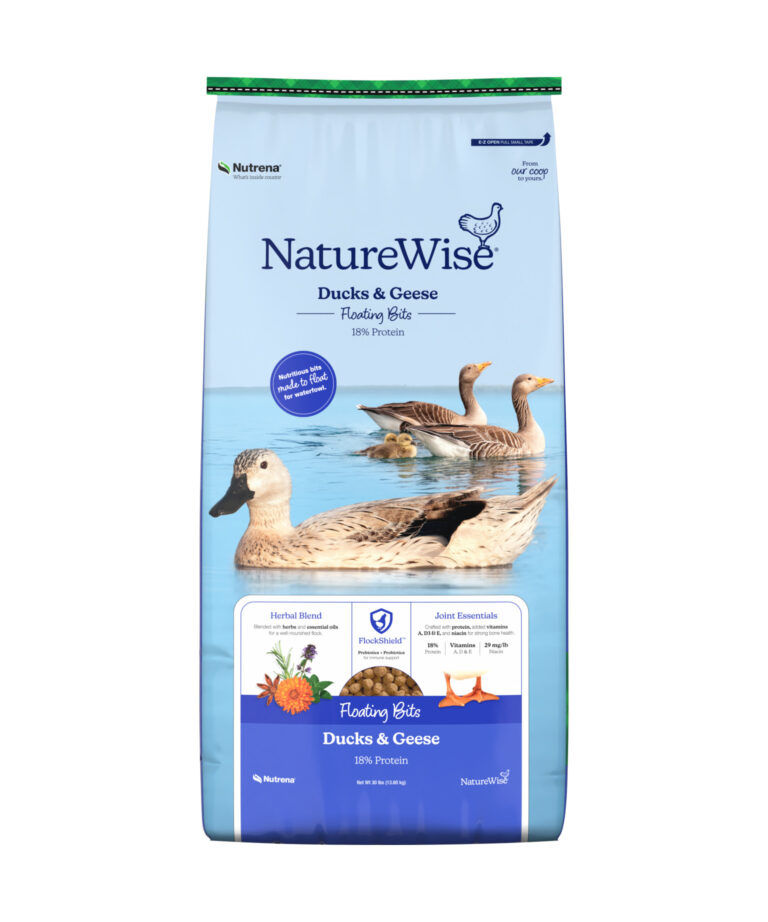 NatureWise
Ducks & Geese 18% Protein Floating Bits
18.0% Crude Protein6.0% Max Crude Fiber4.0% Crude FatAn 18% protein Floating Bit for ducks and geese, on or off the water.Learn More -
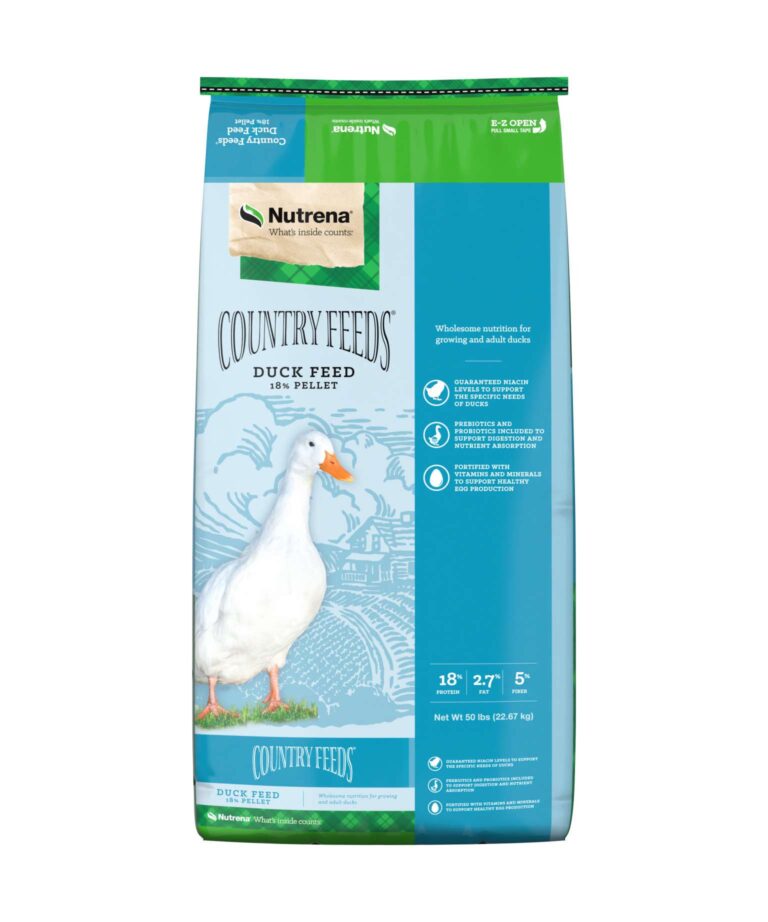 Country Feeds
Duck Feed 18% Pellet
18.0% Crude Protein5.0% Max Crude Fiber2.7% Crude FatComplete nutrition with guaranteed niacin levels to support the needs of growing and adult ducksLearn More -
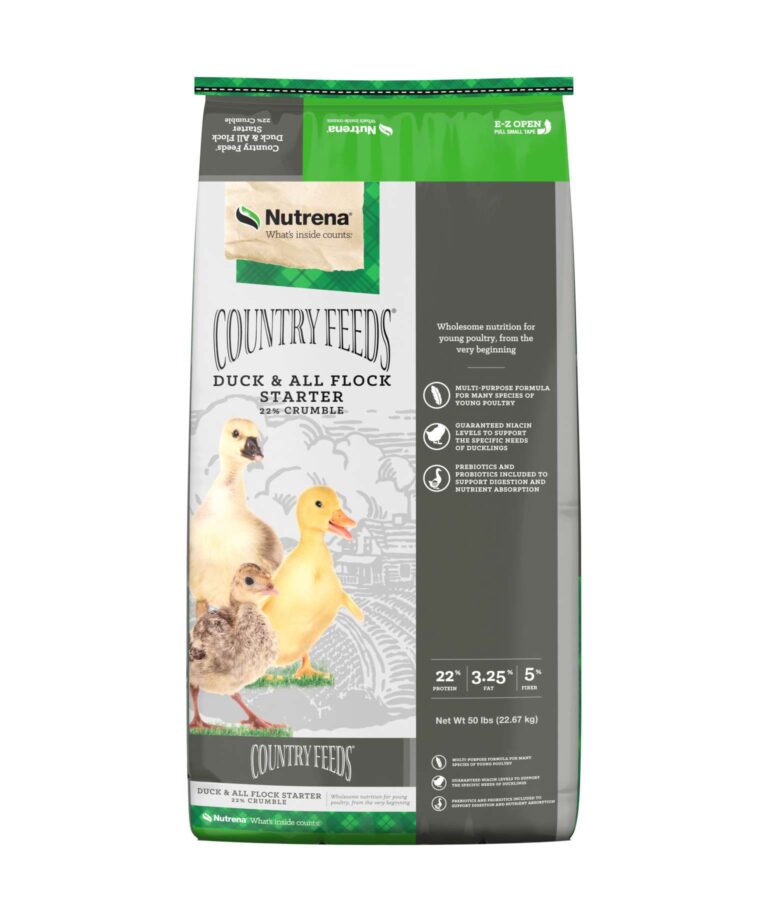 Country Feeds
Duck & All Flock Starter
22.0% Crude Protein5.0% Max Crude Fiber3.25% Crude FatStart your flock off right and support proper growth with the proper balance of protein, vitamins and mineralsLearn More
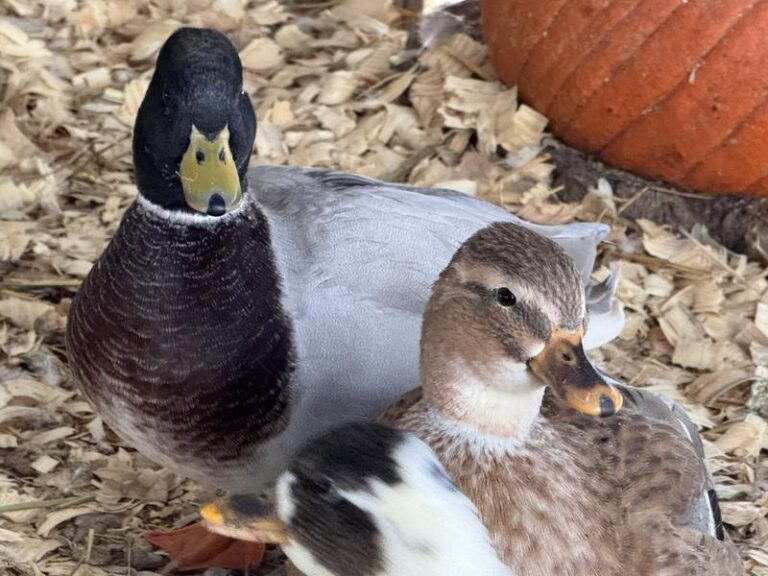
“We have been feeding the floating duck food for almost a year, and my little call ducks and my geese love it! Their feathers always look bright and shiny, and their weight and condition are perfect! It has a nice smell to it as well, like herbs!”*
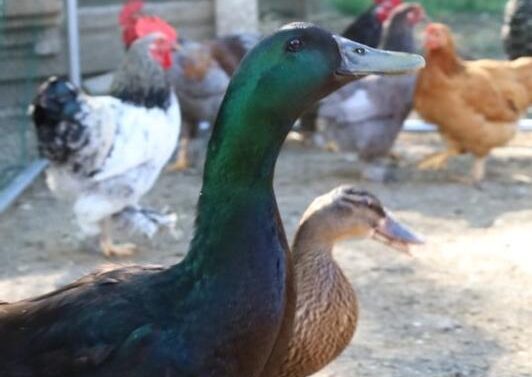
“I have been using this for about a year, and all my ducks I hatch are doing and looking great!”
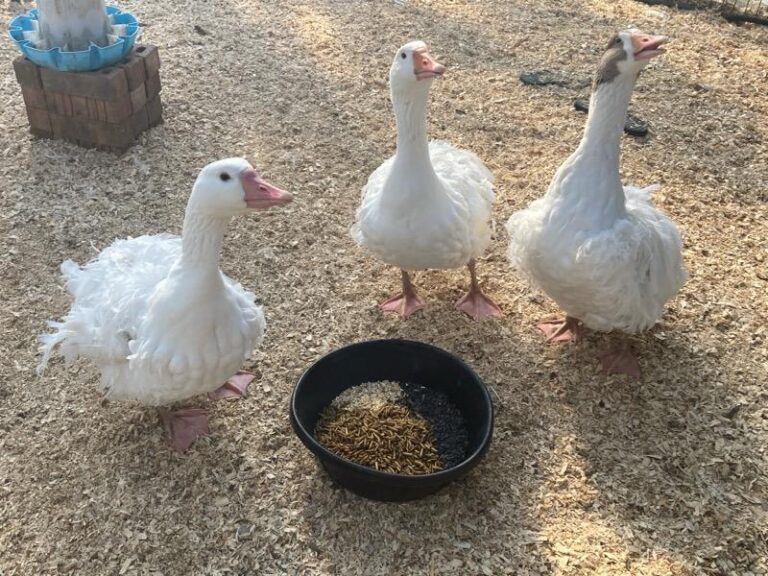
“I was using a generic all flock for my birds. After going to a couple poultry shows, this duck feed was recommended. I was able to find it at our local store. The ingredients and nutrition were much better…We saw our geese start laying again and our ducks recover from their molt.”*
Exclusive Features in NatureWise Poultry Feed
-

Herbal Blend
We carefully craft our feeds with a unique blend of herbs and essential oils, ensuring your birds are nourished and beaming with a glow of good health.
-

FlockShield™
Formulated ingredients to supports a strong immune system, optimal digestion, and superior nutrient absorption in healthy flocks.
Ducks and Geese Blog Articles
-
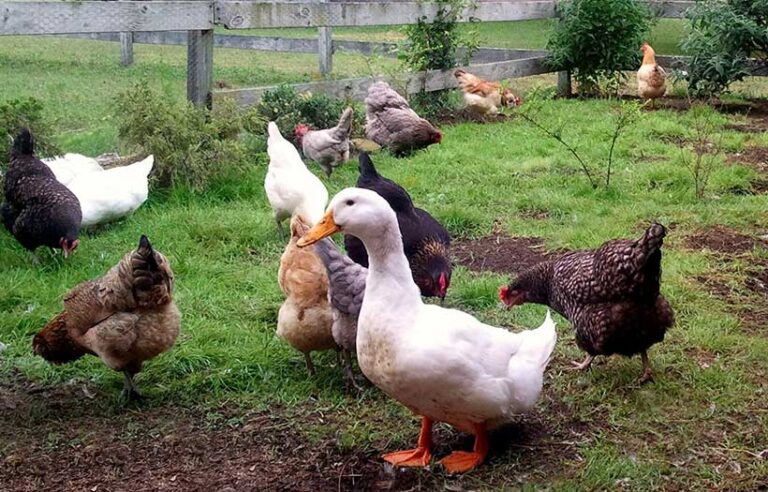
Ducks: Special Dietary Needs
What do ducks need in their diet that chickens don’t? While ducks and chickens share many nutritional similarities, ducks have unique dietary requirements that are essential for their health and development.
View Blog -
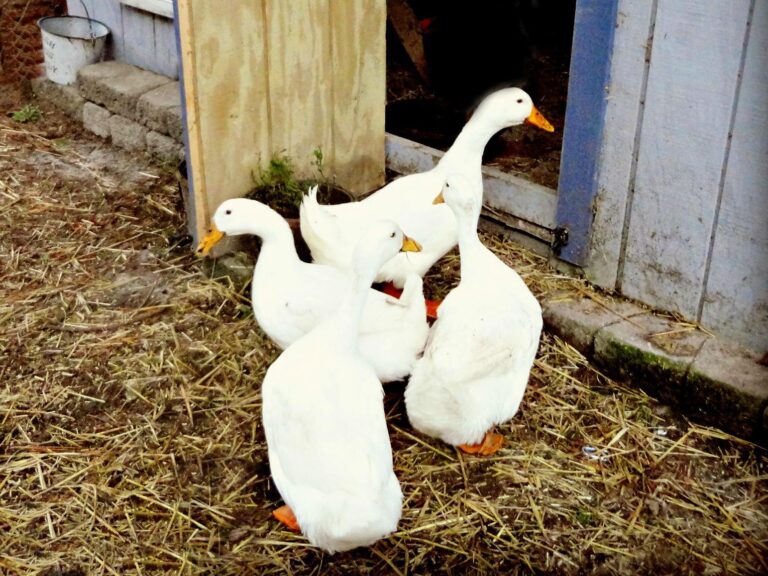
Feeding and Housing Ducks
Domestic ducks can co-exist very happily with backyard chickens. Their basic feed and shelter requirements very similar to those of chickens – with only a few minor differences.
View Blog -
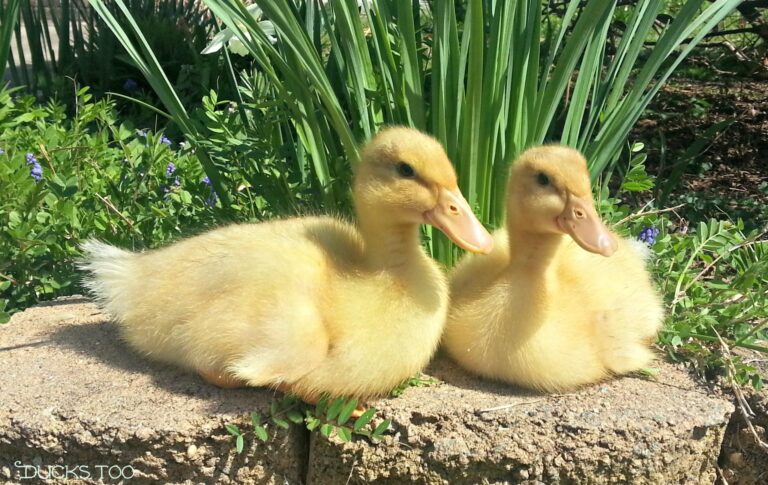
Why Keep Ducks?
The backyard chicken keeping movement has been growing steadily over the past few years, invading residential neighborhoods, but what you may not realize is that backyard ducks are quietly growing in popularity as well.
View Blog -
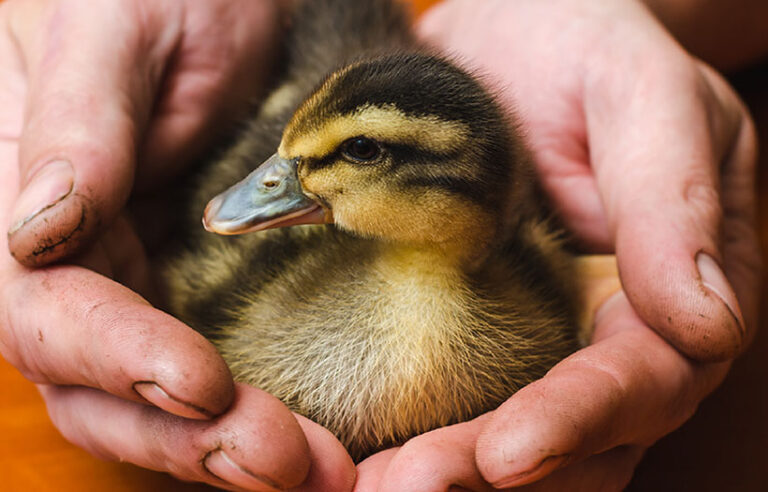
Brooding Ducklings
While it is possible to successfully brood chicks and ducklings together, and we did that first time, it really is preferable to brood them separately for several reasons.
View Blog
*Review collected as part of incentivized campaign