
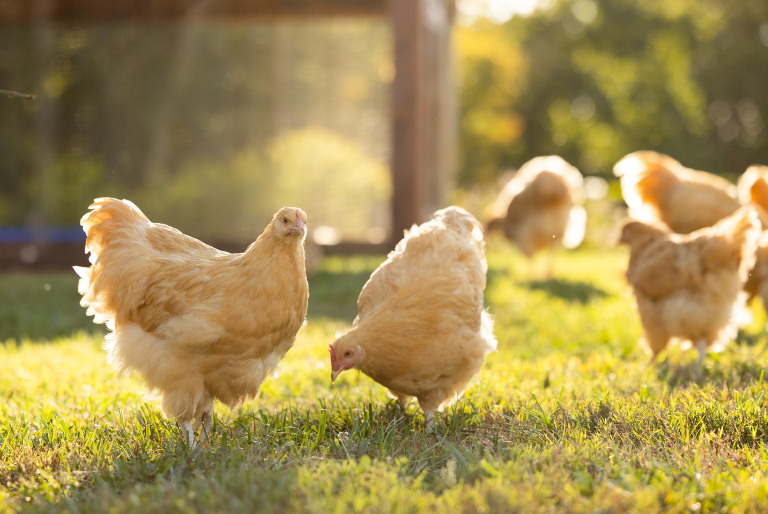
Poultry Feed for Layers
What is the best poultry feed for layers? Find out what ingredients set Nutrena® layer feed apart from other poultry feed brands on the market and why we provide the best support for your laying hens 16+ weeks.
FAQs About Feeding Layers
If you’re a poultry owner trying to understand the best diet for your flock, it’s important to read these frequently asked questions about ingredients, diet requirements, and what is guaranteed on your feed tag. In order to choose the best poultry feed for laying hens you have to know what factors go into maximum egg production and how to compare different products on the market.
-
When do I switch from chick feed to layer feed?
Usually, your pullets are ready to lay eggs between 16-24 weeks old. Some tell-tale signs that hens are approaching egg laying are:
- Pullets look full grown with clean, new feathers
- Combs and wattles have swollen and are a deep, red color
- Bones in the hen’s pelvis will begin to separate
To check if the hen’s pelvis bones have begun to separate, cradle the hen between your side and arm with the hen facing your back so you see its rear end. Carefully hold the bird’s feet, so it can’t kick. Place your other hand gently on the hen’s rear end. If three prominent bones are close together, don’t expect eggs for a few more weeks, but if the bones have separated, expect eggs soon!
That’s why we recommend switching to Nutrena layer feed once pullets are 16 weeks of age. Nutrena brand layer feeds have the minerals, vitamins, protein and other nutrients needed to help keep your birds healthy and productive.
-
How much protein do laying hens require?
As your hens mature and begin laying eggs, their nutritional needs change, and protein becomes a key nutrient to support their health and productivity. One of the primary reasons protein is vital for laying hens is its role in egg production. Protein is a major component of egg whites, and hens need adequate protein to produce high-quality eggs consistently. Without sufficient protein, hens’ production and quality of eggs may decrease.
Providing your layers with a balanced diet that includes high-quality protein sources is crucial. NatureWise® Layer Pellet and NatureWise® Layer Crumble, with 17% protein, is formulated to meet the specific nutritional needs of laying hens, ensuring they receive the right amount of protein to support egg production, muscle maintenance, feather health, and immune function.
Some of our more specialty layer feeds have even higher crude protein ranging up to 22% for birds that require more protein in their diet.
-
What vitamins and minerals do layers need in their diet?
While both chicks and adult layers require many of the same vitamins and minerals such as Copper, Zinc, Iron, Selenium, Manganese, Biotin, and Vitamins, it is important to check the Guaranteed Analysis for minimum and maximum levels.
For example, layers require more calcium than chicks to support eggsehll strength. So, on layer feed tags you should see closer to 3.7 – 3.9% Calcium vs 0.80 – 1.30% Calcium on chick feed tags.
-
How does diet impact egg quality?
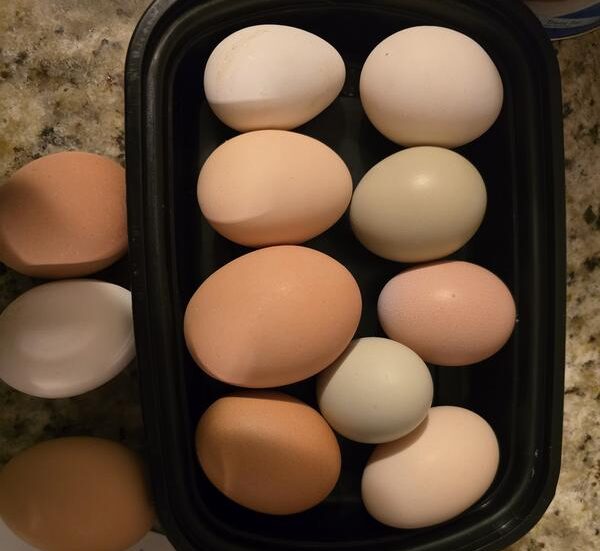
Did you know that egg quality is closely linked to diet? Many people assume that brown eggs are healthier than white eggs, but shell color makes no difference in the quality of the egg. Your birds’ diet influences the content of their eggs. For example:
- Free ranging helps your birds produce eggs with better nutritional content, including higher levels of vitamins A, D, and E; omega-3 fatty acids; and deep orange-yellow yolks from beta carotene. They also get activity while looking for bugs, worms, and other tasty goodies!
- A good commercial diet should provide a large majority of what your birds eat. A good layer ration should support egg-laying and supply essential nutrients that are not easy to find in nature. These nutrients include carbohydrates, fats, minerals, and vitamins, as well as amino acids.
- Extra ingredients that benefit your hens include enzymes, probiotics, essential oils, and yeast culture. These additives help keep your birds’ digestive tracts healthy, support healthy growth, and benefit the immune system. You can find these ingredients in our Nutrena Naturewise feeds.

Recommended Poultry Layer Feed
-
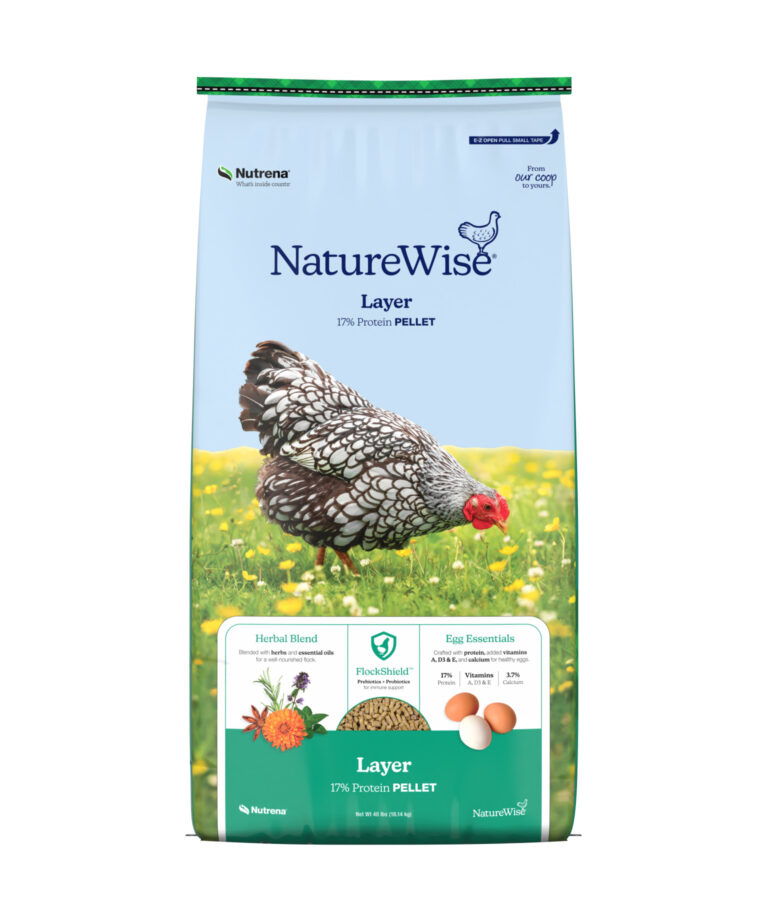 NatureWise
Layer 17% Protein Pellet
17.0% Crude Protein6.0% Max Crude Fiber2.5% Crude FatA 17% protein pellet for laying chickens 16 weeks of age or at the onset of lay.Learn More -
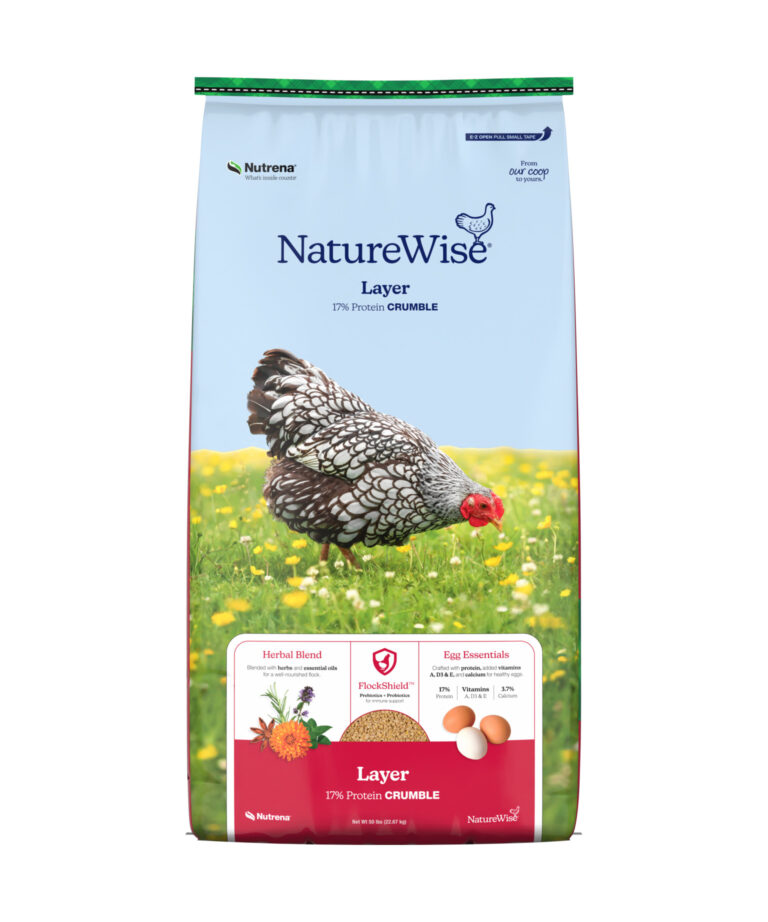 NatureWise
Layer 17% Protein Crumble
17.0% Crude Protein6.0% Max Crude Fiber2.5% Crude FatA 17% protein crumble for laying chickens 16 weeks of age or at the onset of lay.Learn More -
 NatureWise
Harvest Blend 18% Protein Textured Layer Feed
18.0% Crude Protein6.0% Max Crude Fiber6.0% Crude FatA 18% protein Textured Layer Feed crafted with recognizable ingredients for chickens 16 weeks of age or at the onset of lay.Learn More
“I recently tried NatureWise Layer 16% Crumble for my chickens. I am very pleased with the results thus far…My birds are gobbling it up. The crumble smells delicious and is actually crumble…The additives are so good for the birds. They seem to stay full longer and eat less.”*
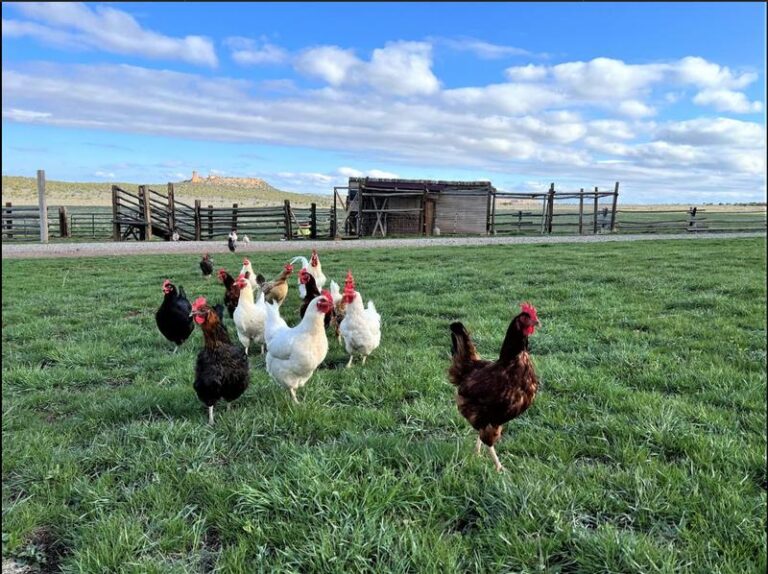
“I use Nutrena Chick Starter and then transition them over to Nutrena Layer Pellets. It is a very clean feed. They seem to enjoy it, and use all of it. I love the amount of protein they get, and the ingredient list is excellent. I have been using their products exclusively for years!”
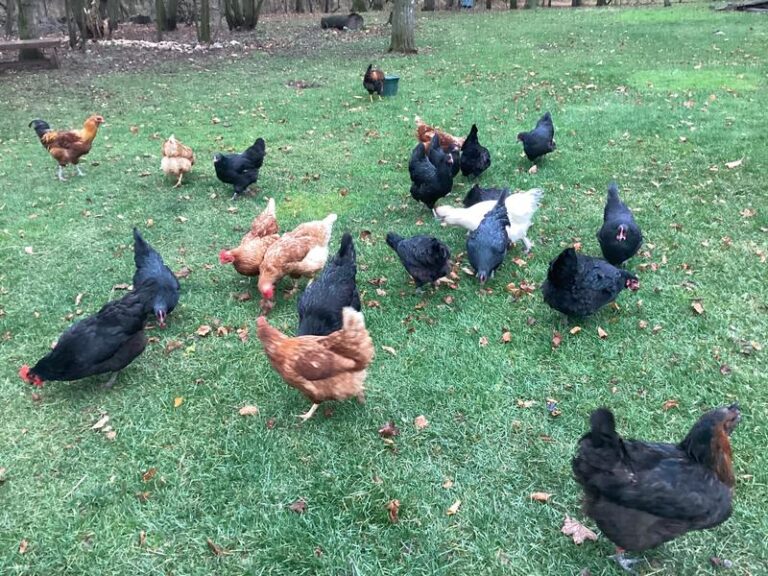
“I have been feeding my flock this product and they lay almost daily. Beautiful hard shells, bright vibrant yolks. The eggs taste delicious and my hens are happy and healthy!”*
Exclusive Features in NatureWise Poultry Feed
-

Herbal Blend
We carefully craft our feeds with a unique blend of herbs and essential oils, ensuring your birds are nourished and beaming with a glow of good health.
-

FlockShield™
Formulated ingredients to supports a strong immune system, optimal digestion, and superior nutrient absorption in healthy flocks.
Laying Hens Blog Articles
-
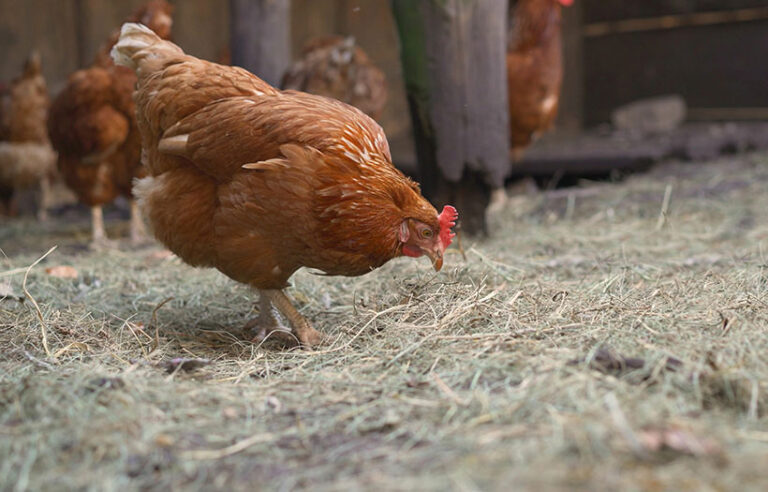
The Right Nutrition At the Right Time for Layers
Timing is everything when it comes to feeding your laying hens. Ensuring they have the correct nutrition at just the right time is an important part of having a happy and healthy flock.
View Blog -
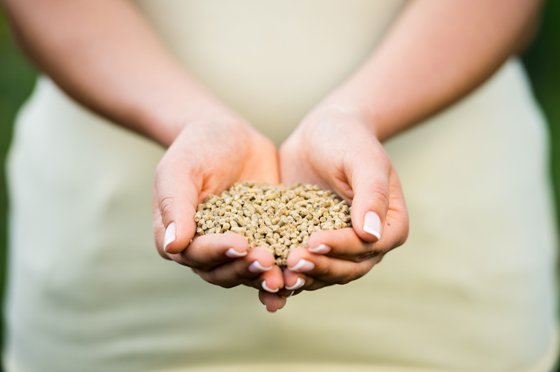
Making the Switch: Chick Feed to Layer Ration
It is always a big event when your chickens start to lay! The chick starter/grower they were eating now needs to be replaced with layer ration. How can you support this transition and help them live their best lives as laying hens?
View Blog -
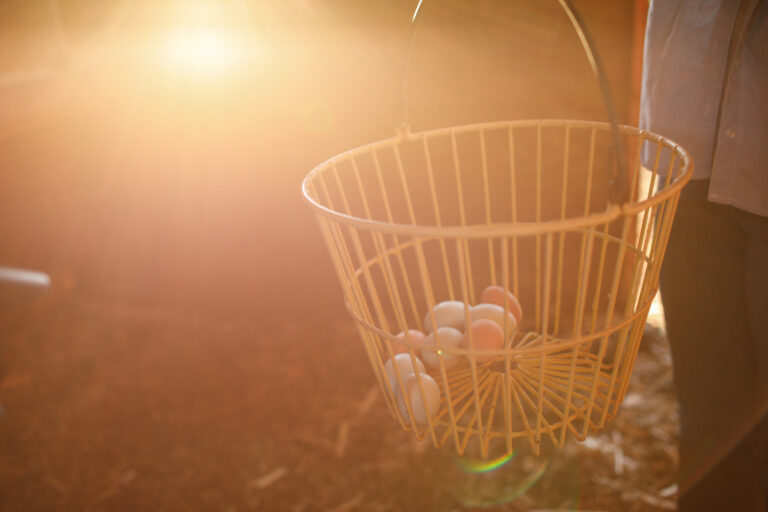
Egg Production in Backyard Chickens
One of the most obvious benefits of raising backyard chickens is the eggs you get. But how does the laying cycle work? And how many eggs will a chicken lay in her lifetime?
View Blog -
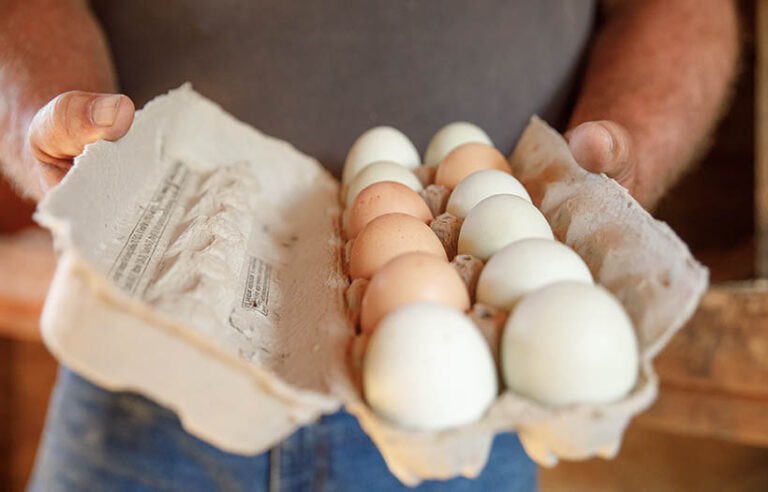
Why Do Hens Stop Laying Eggs?
We break down nine of the most common reasons for decreased egg production.
View Blog
*Review collected as part of incentivized campaign