How to Keep Freshly Weaned Calves Eating
Freshly weaned calves often lose their appetite due to stress, diet changes, and new environments. To keep calves eating, focus on consistent feeding, highly palatable transitional feeds, and low-stress management practices from day one.
Weaning is a critical time, but with the right nutrition and routine, calves can stay on feed and continue growing.
Table of Contents
Key Takeaways
- Weaning calves often lose their appetite due to stress, diet changes, and new environments.
- Utilizing well-formulated transitional feeds can help calves start eating sooner and maintain intake during weaning.
- Bunk management is crucial; clean plates and consistent feeding times support better intake and rumen health.
- Encouraging weaned calves to keep eating involves minimizing stress, maintaining consistent feeding routines, and monitoring intake closely.
Why Do Calves Lose Appetite After Weaning?
Weaning brings multiple stressors at once, including separation, new environments, and changes in diet. These challenges can reduce feed intake right when calves need nutrients the most.
Research from Oklahoma State University shows that newly weaned calves often eat less, even though their nutrient needs remain high. In some cases, calves with very low intake may need more protein to support recovery and growth.
That is why early nutrition and management play such an important role in setting calves up for success.
How Does Transitional Feed Help Calves Start Eating?
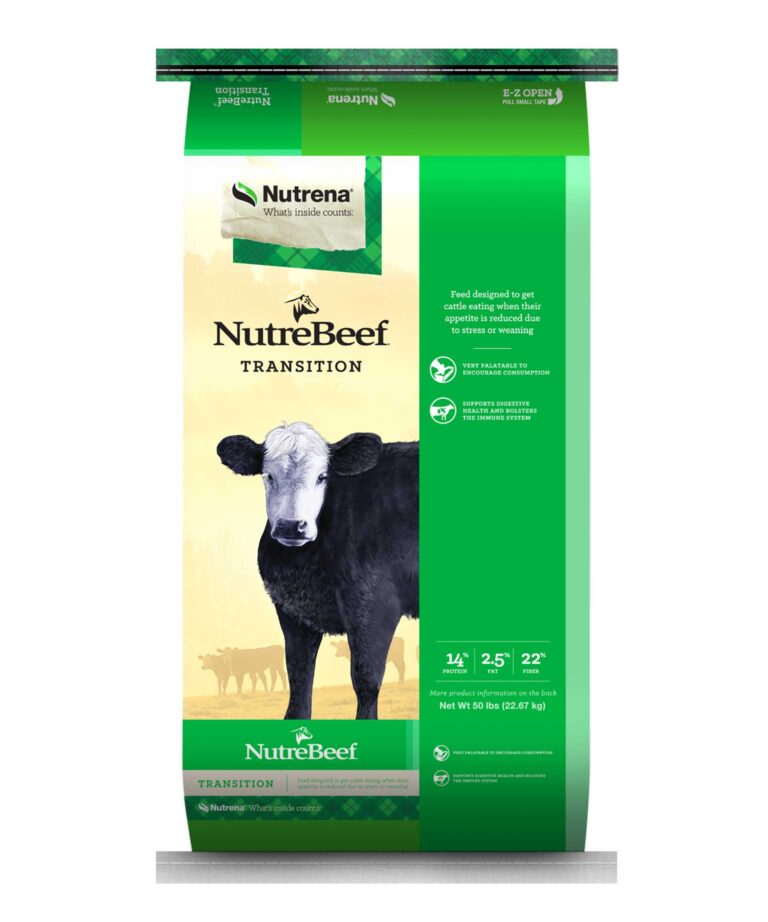
A well-formulated transitional feed helps calves begin eating sooner and maintain intake during weaning.
These feeds are designed to:
- Deliver the right balance of protein, energy, vitamins, and trace minerals
- Be highly palatable to encourage consistent consumption
- Support digestive health during diet changes
- Help strengthen the immune system during stress
Starting calves on the right feed helps reduce the impact of weaning and supports long-term performance.
How Does Bunk Management Affect Calf Intake?
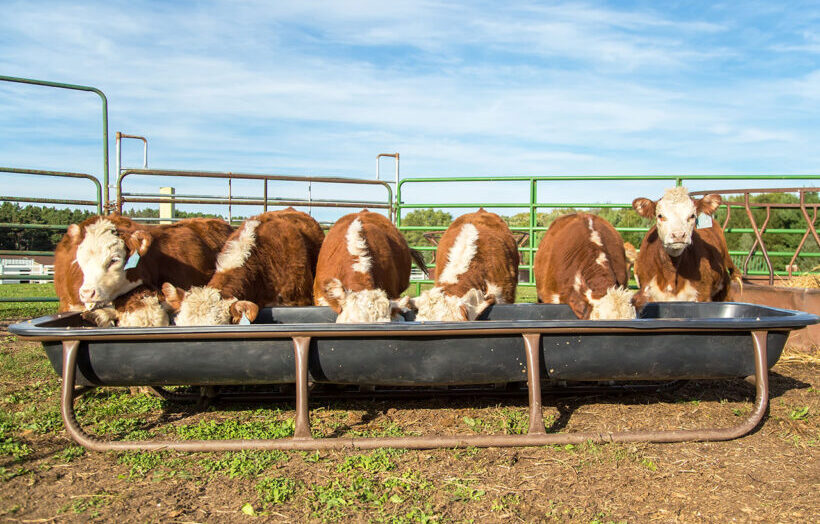
Bunk management plays a key role in keeping calves on feed. The goal is to create consistent eating patterns that support rumen health and overall performance.
Matching feed delivery to intake helps minimize waste, maintain steady rumen conditions, and support growth.
Three key principles can help improve consistency:
Clean Plate
Allow calves to clean up feed before offering more. Each pen should have an empty bunk at least once per day.
Hungry but Full
Most calves show interest when feed is delivered, but they eat for a short period. Within 10 to 15 minutes, many are finished and move on to water or rest.
Plus, or Minus 15 Minutes
Calves thrive on routine. Feeding at the same time each day, within a 15-minute window, helps reduce stress and encourages steady intake. Consistent intake supports rumen health, reduces the risk of digestive upsets like acidosis, and improves overall performance.
How Can You Encourage Weaned Calves to Keep Eating?
To help calves maintain appetite during weaning:
- Start with a highly palatable transitional feed
- Keep feeding times consistent
- Minimize sudden changes in environment or routine
- Monitor intake closely and adjust as needed
Small, consistent steps can make a big difference in how well calves’ transition.
With the right nutrition and consistent management, calves can stay on feed and continue growing through weaning. A high-quality transitional feed helps take the guesswork out of this important stage and supports long-term success.
References: Lalman, D., D. Gill, G. Highfill, J. Wallace, K. Barnes, B. LeValley, and C. Strasia. Nutrition and Management Considerations for Preconditioning Home Raised Beef Calves. Oklahoma State University Extension Fact Sheet AFS-3031, 2017.