6 Egg Myths Solved!
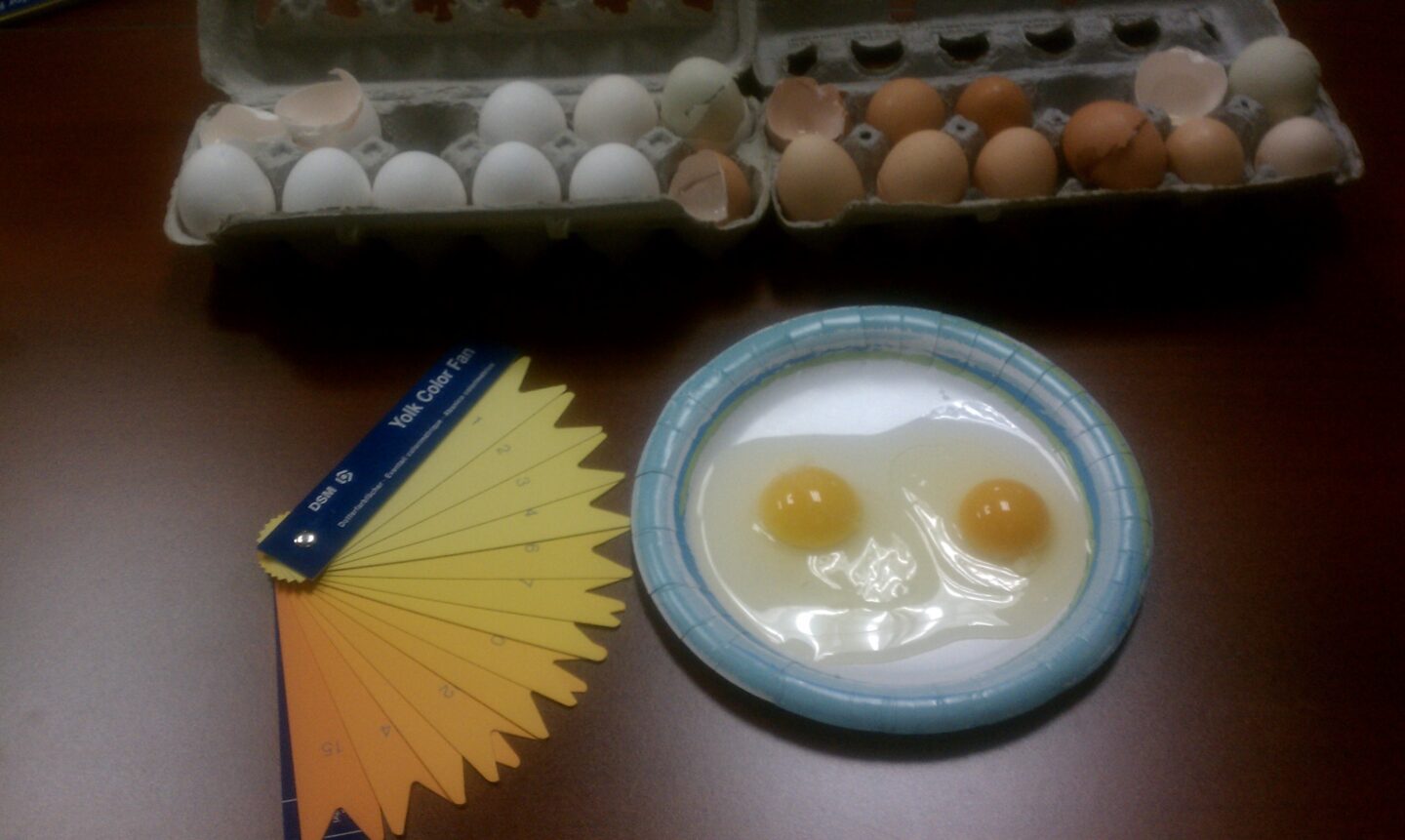
Table of Contents
Key Takeaways
- Egg myths arise due to variations and misunderstandings surrounding eggs.
- You do not need a rooster for eggs, but a rooster is necessary for fertilized eggs.
- Eggshell color does not affect nutrition; it’s determined by the hen’s breed.
- Yolk color does not influence nutritional value; it’s related to the hens’ diet.
- Blood spots in eggs are not dangerous, and egg size depends on the hen’s nutrition.
Why Do Egg Myths Exist?
With so many variations and slight differences that affect our eggs, it’s easy to see how myths around what is good and bad in an egg can pop up. We’ve identified some common myths and explained the real story here.
The 6 Most Common Egg Myths Explained
- Do You Need a Rooster for Eggs?
This is one of the most common questions and myths that exist in the poultry world. Simply put, the answer is no. You do not need a rooster to have eggs – your hen will lay eggs whether or not a rooster is present. However, if you want to have eggs that can be hatched, you will need a rooster to make the eggs fertile. - Does Shell Color Affect Nutrition?
Brown eggs are nutritionally equivalent to other eggs of different colors. The breed of the chicken will primarily determine egg color. Often, the color of the earlobe of the chicken will indicate the color of her eggs – a red earlobe typically means a brown egg while a white ear lobe means the hen will lay a white egg. Remember, to keep eggshells nice and strong, be sure to always provide oyster shell free choice in a separate container for birds 16 weeks and older. - Does Yolk Color Change Nutritional Value?
Yolk color does not affect nutritional value. Vibrant yolk color comes from outdoor plants consumed and/or quality layer feeds that contain marigold extract or other cartenoids. Home-produced eggs have yolks that are bright yellow to deep orange in color and an albumen (egg white) that stands up a bit in the frying pan. Grocery store eggs will often have pale yolks and runny albumen. - Fertilized vs. Non-Fertilized Eggs: Any Difference?
Fertilization of the egg does not affect the nutritional value. Some people will claim that a fertilized egg tastes slightly different than a non-fertilized egg, however others cannot distinguish between the two. - Are Blood Spots in Eggs Dangerous?
Blood spots are not harmful and the egg can still be consumed. Blood spots can indicate a rupture in some of the tiny blood vessels within the egg itself. This is seen more frequently in older or very young hens and can also be hereditary. - Does Egg Size Depend on Feed?
Egg size isn’t just luck—it’s influenced by your hen’s body weight and nutrition. If hens aren’t getting enough feed, their eggs will likely be smaller. The average laying hen should consume about 1.5 lbs of feed per week. Keeping hens well-fed with a complete layer ration like Nutrena NatureWise Layer Crumble helps maintain healthy body weight and consistent egg size.