A Diversity of Eggs: Why Every Egg Is Unique
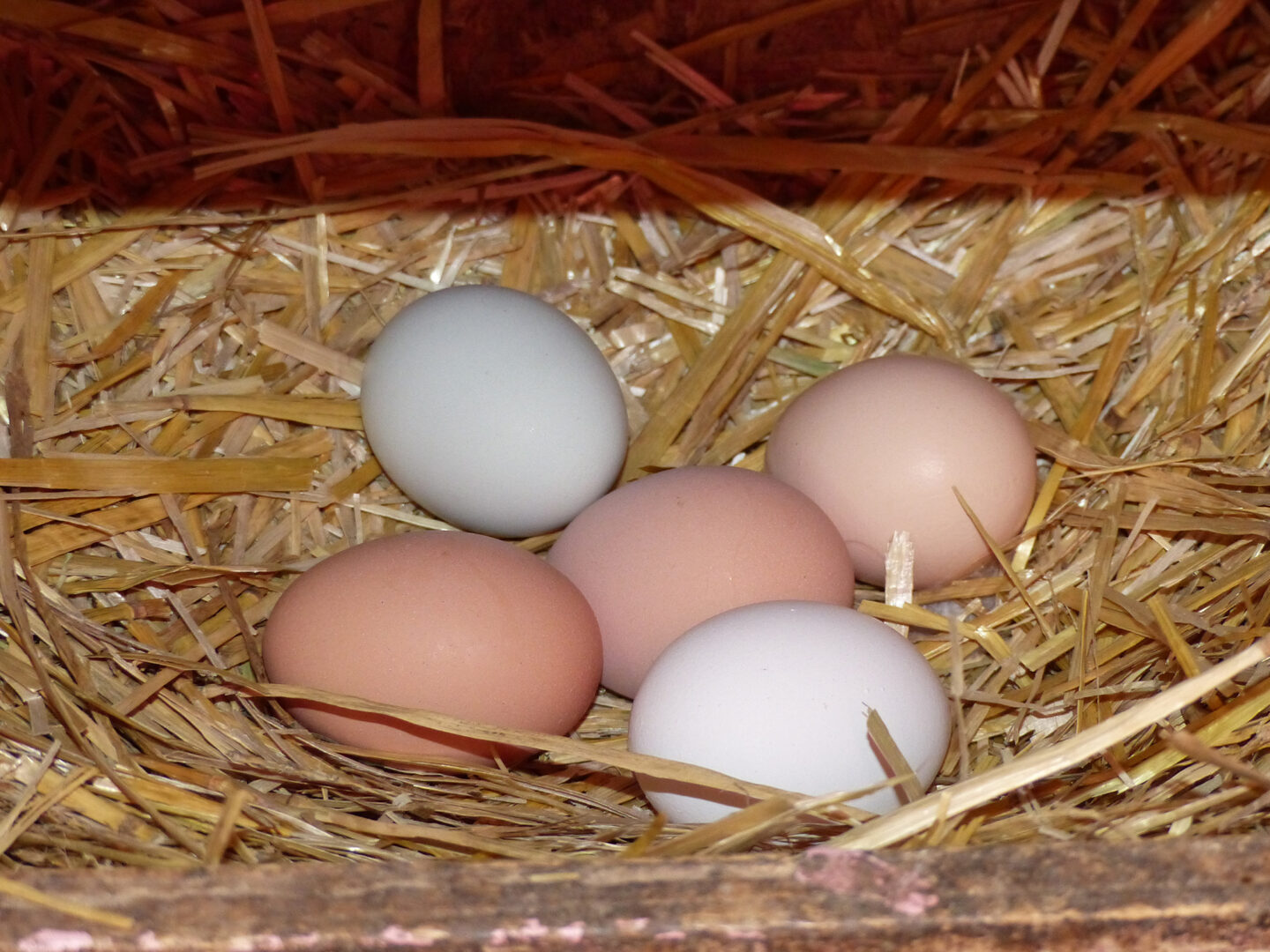
Table of Contents
Key Takeaways
- Chicken eggs exhibit diversity in size, color, and shape due to the genetic complexity of chickens, which have a vast number of genes.
- Eggshell color varies among chicken breeds, with some laying blue/green eggs, while others lay white or brown eggs.
- Individual hens consistently lay eggs of a similar shape and color throughout their lives, influenced by their genetics.
- Eggshell colors arise from pigments in the shell gland, with protoporphyrin producing brown shades and biliverdin yielding blue/green hues.
- People enjoy the visual appeal of a diverse egg carton, showcasing various colors and shapes from their small flocks.
Why Are Chicken Eggs So Diverse?
Delightful gifts that a hen gives the family caring for them are delicious eggs with shells of varied sizes, hues, and shapes. Some are speckled. Most are solid color. These gorgeous gems soon transition into tasty and nutritious food.
Eggshell Colors: What Determines Hue?
Many flock owners keep several chicken breeds that lay a diversity of shell colors ranging from light to dark brown, blue/green, white, and virtually every shade in between.
Shell Texture and Appearance
Some shells are smooth and glossy, while others are more textured. When arranged in an egg carton they are a delight to the eye and a striking contrast to the sameness of supermarket eggs.
The Genetics Behind Egg Diversity
Many wonder why eggs are so diverse. The answer is simple. Chickens are genetically complex. They have between 20,000 and 23,000 genes in about one billion DNA base pairs. This compares with the 20,000-25,000 human genes in 2.8 billion DNA base pairs.
Enormous genetic complexity results in much individual variation. Just as people come in many shapes, sizes, and colors because of genetic diversity, so do chickens. This explains why chickens range in size from the tiny Serama bantam breed to immense Jersey Giants.
Breed Differences and Egg Traits
Chicken breeds were developed over centuries by human selection for certain traits, like egg production, shell color, fast growth, pleasant demeanor, and attractive feathers.
- Breeds developed around the Mediterranean Sea, such as Leghorns and Anconas, are relatively small in body size, active, and lay many white-shelled eggs.
- Northern European breeds, like Hamburgs, also lay white eggs.
- Most breeds developed in England, the United States, and Australia are large-bodied and lay brown-shelled eggs.
- Marans, a French breed, lays exceptionally dark brown eggs.
- Araucanas from South America lay eggs with shells ranging from greenish to blueish.
When breeds are crossbred, egg shell color is usually (but not always) a blend of what the parent breed lays.
Egg Shape and Size Variations
Eggs of all birds are amazing far beyond their color. Shape varies with species and within a species. Chickens fall somewhere in between. In the wild they nest on the ground, so eggs are mildly asymmetric, although some are nearly round. Usually during laying, the blunt end emerges first, followed by the tapered skinny end.
Individual hens usually lay similar eggs that may vary in shape from another hen of the same breed. For example, a Barred Rock hen in a small flock may lay eggs that are unusually round while another Barred Rock may lay much more oblong ones. Each will continue laying eggs of that shape throughout her life.
One hen may also lay darker brown eggs than a sister of the same breed, and this characteristic will persist through her life. Generally, brown eggs get somewhat lighter in shell color as a hen ages.
What Causes Eggshell Color?
According to Pat Leonard, who wrote an extensive article on egg color for the Summer 2017 issue of Living Bird magazine, egg pigments are complex molecules synthesized in the shell gland.
- Protoporphyrin produces reddish-brown colors.
- Biliverdin produces blue and green shades.
Varied amounts of each explains the intensity of shell color and when pigments are absent the shell is white.
Other Fascinating Egg Facts
Eggshells can have from a few hundred to tens of thousands of pores. Eggs that hatch into chicks able to walk and feed shortly after hatching, like chickens, have larger yolks than species that hatch naked and helpless, like baby robins.
People who tend small flocks enjoy the delightful diversity of eggs of many shapes, sizes, and hues. A carton full is a delight to the eye.