Grass Tetany in Cattle: Signs, Causes, and Prevention
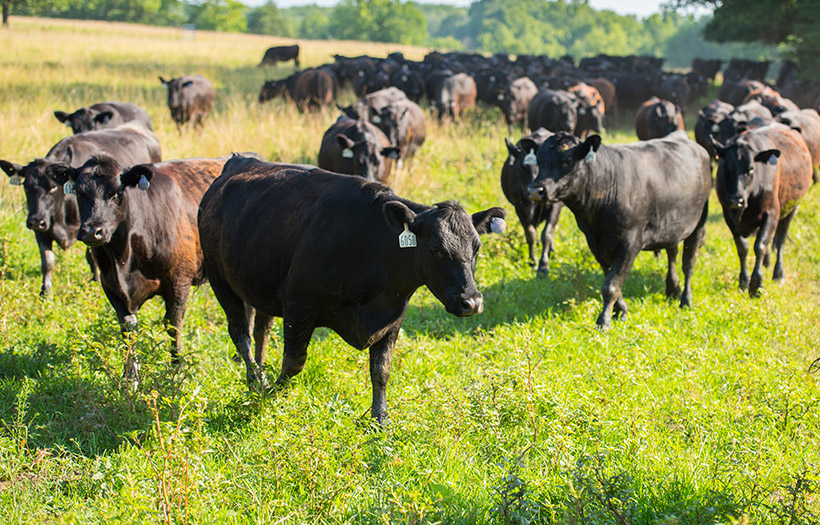
Grass tetany in cattle is a serious and often fatal condition caused by low magnesium levels. It most commonly affects lactating cows grazing lush spring pasture. The good news is that with appropriate management and supplementation, you can help reduce the risk in your herd.
Table of contents
Key Takeaways
- Grass tetany is a serious condition in cattle caused by low magnesium levels, especially affecting lactating cows on lush pastures.
- Common causes of grass tetany include rapid pasture growth, cool temperatures, and high nitrogen fertilization that reduce magnesium availability.
- Key signs of grass tetany are uncoordinated gait, muscle twitching, excitability, and possible convulsions or sudden death.
- Preventing grass tetany involves providing daily magnesium, managing grazing, avoiding sudden pasture changes, and monitoring seasonal conditions.
- A well-managed mineral program helps ensure cattle receive adequate magnesium to reduce the risk of grass tetany.
What is Grass Tetany?
Grass tetany, also known as “grass staggers”, “wheat pasture poisoning” & “winter tetany”, is a serious condition caused by a low magnesium levels in the blood of ruminant livestock including beef cattle, dairy cattle and sheep. It primarily affects mature cows nursing young calves, especially those under two months of age.
Cattle are at the highest risk when grazing lush, immature pasture, particularly in the spring. In fact, grass tetany often impacts the highest-producing cows in the herd.
The good news is that while grass tetany can escalate quickly, understanding when and why it occurs helps you stay ahead of the risk and protect your herd with the right nutrition and management strategies.
What Causes Grass Tetany?
Grass tetany is most often associated with conditions that reduce magnesium availability. While forage may look high quality, it does not always provide the balance cattle need.
Common causes include:
- Rapid pasture growth, especially in spring or fall
- Cool temperatures between 45 and 60 degrees that often coincide with periods of rapid pasture growth
- High nitrogen fertilization, which reduces magnesium availability
- Soils high in potassium or aluminum, which reduce magnesium availability
These conditions are common in well-managed pastures, which is why grass tetany often affects your best-performing cows first.
The key is to recognize when risk is elevated so you can adjust before problems start.
What are the Signs of Grass Tetany?
Grass tetany can develop quickly, so early recognition is important.
Common signs and symptoms of grass tetany in cattle include:
- Uncoordinated gait
- Muscle twitching or nervous behavior
- Excitability or aggression
- Convulsions or seizures in severe cases
In some cases, cattle may be found dead without showing obvious signs beforehand. When this happens, you may notice evidence of thrashing or disturbance around the animal.
Because symptoms can escalate rapidly, prevention is always the most supportive approach.
How Can I Prevent Grass Tetany?
The good news is that grass tetany is one of the more manageable risks in your herd. With the right nutrition and grazing strategy, you can significantly reduce the likelihood of issues.
Key prevention strategies
- Provide magnesium daily
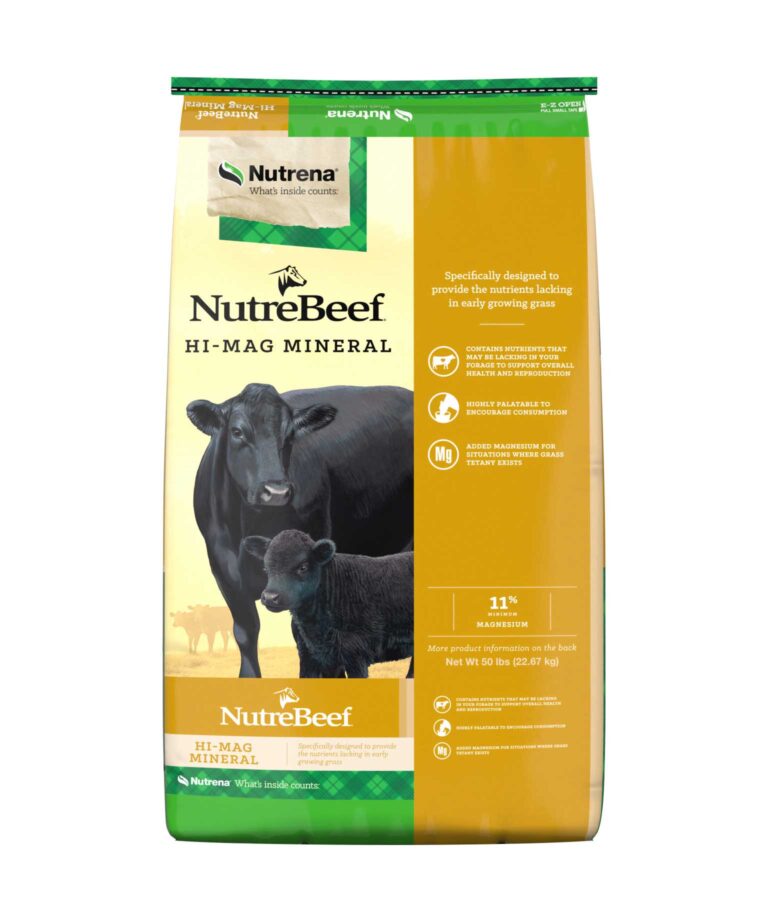
- Offer a high-quality mineral supplement such as, Nutrebeef Hi-Mag Mineral, that includes adequate magnesium. Consistent intake is critical.
- Manage grazing risk
- Turn lower-risk animals, like steers or dry cows, onto high-risk pastures first.
- Avoid sudden pasture changes
- Gradually introduce cattle to lush, fast-growing grass when possible.
- Incorporate legumes into pastures
- Including legumes in pasture mixes may help decrease the incidence of tetany in cattle.
- Monitor seasonal conditions
- Stay especially alert during spring and fall when cool weather and rapid growth increase risk.
Consistent magnesium intake is an important part of a prevention program.
A well-managed mineral program can help support cattle during periods of increased risk.
If you’re unsure whether your current program covers your herd’s needs, explore the Nutrena® beef nutrition education page designed to help you manage risk and keep your cattle performing their best.