6 Steps to Strong Backyard Poultry Biosecurity
Backyard poultry ownership is full of joy, routine, and the steady rhythm of caring for a flock. Along with daily feeding, watering, and checking on your birds, one of the most important habits you can build is good biosecurity. It is a simple way to protect your birds from serious diseases and give yourself peace of mind.
The steps below are based on guidance provided by the USDA, which offers helpful, science‑backed recommendations for keeping backyard flocks safe.
Table of Contents
Key Takeaways
- Good biosecurity is essential for backyard poultry health, helping to prevent disease exposure.
- Key practices include keeping distance from outside birds, maintaining cleanliness of tools and equipment, and avoiding sharing resources with neighbors.
- Recognize warning signs of infectious bird diseases and report any sick birds to authorities promptly.
- The USDA’s ‘Defend the Flock’ program offers resources like checklists and expert content for poultry owners.
- Consistent routines and good care can significantly enhance the health and safety of your flock.
What Exactly Is Biosecurity?
Biosecurity may not be a word you hear every day, but for poultry keepers it matters a lot. Biosecurity is the collection of small daily habits that reduce the chances your flock is exposed to harmful germs. These include diseases like avian influenza and exotic Newcastle disease, which can spread quickly from bird to bird.
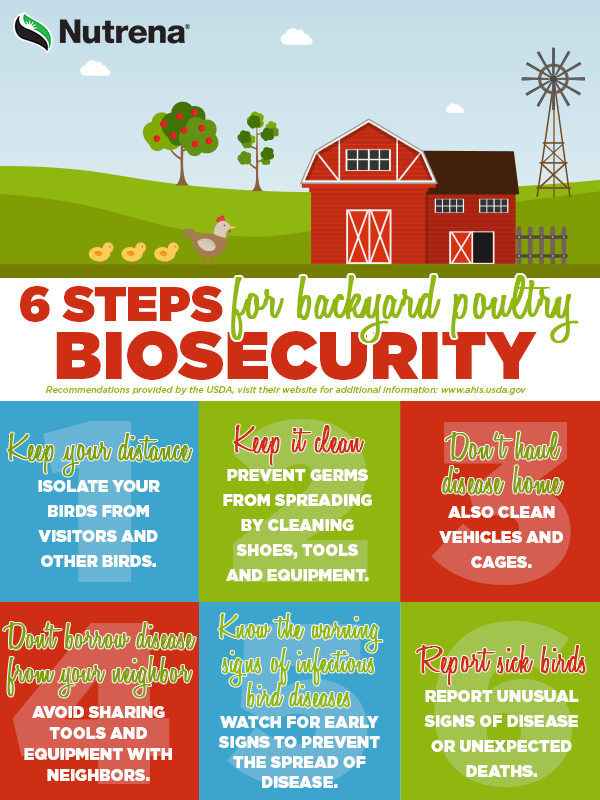
1. Keep Your Distance
Limit contact between your flock and outside birds or visitors. Even friendly neighbors can accidentally bring in germs on their shoes or clothing. Setting boundaries around your birds’ space helps protect them from outside threats.
2. Keep It Clean
Germs spread easily through tools, shoes, and equipment. Clean and disinfect these items regularly to reduce the risk of contamination. Simple routines like washing feeders, boots, and waterers can make a major difference.
3. Do Not Haul Disease Home
Any time you travel with birds — to a show, vet visit, swap meet, or another farm — you may pick up germs along the way. Clean cages, crates, and vehicles when you return home. A little care after each trip helps stop disease at the gate.
4. Do Not Borrow Disease From Your Neighbor
It might seem helpful to borrow a feeder or waterer, but it increases risk. Avoid sharing tools and equipment across farms or backyards. Keeping your own equipment prevents cross‑contamination and keeps the focus on poultry health.
5. Know the Warning Signs of Infectious Bird Diseases
Early detection can save your flock. Pay attention to unusual behaviors, changes in appetite, odd droppings, or birds isolating themselves. Recognizing early signs allows you to respond quickly and minimize spread.
6. Report Sick Birds
If you observe unexpected death or concerning symptoms, contact the appropriate state or federal animal health authorities. Reporting helps protect your flock and supports wider disease control efforts.
Additional Resources for Poultry Owners
If you want deeper guidance, the USDA’s Defend the Flock program is an excellent resource. It includes free checklists, videos, and expert content created with veterinarians, poultry owners, and scientists. You can explore the full program at www.aphis.usda.gov.
Final Thoughts
Biosecurity does not have to be complicated. With simple routines and consistent habits, you can reduce risk, support flock health, and create a safe environment for your birds. Combined with good nutrition, quality poultry feed, and everyday care, these steps give you confidence that you are doing right by your flock.