Bumblefoot in Chickens, Causes, Treatment and Prevention
What Is Bumblefoot and Why Does It Happen?
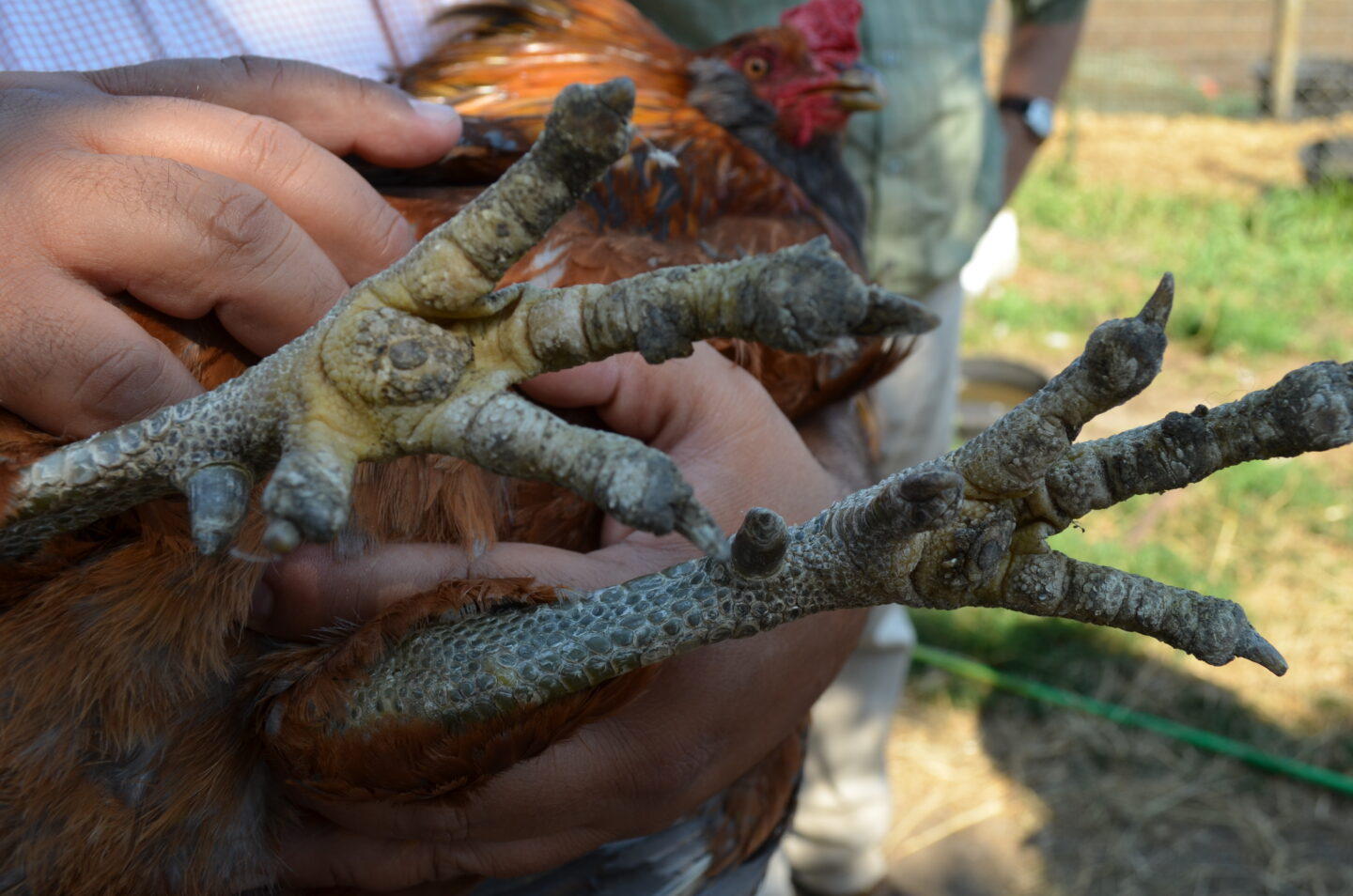
The health and success of your chickens lies in your hands. Knowing what diseases, they’re at risk for is critical for you to allow them to lead healthy lives. Bumblefoot, or plantar pododermatitis, is caused by introduction of staphylococcus bacteria and is found on the toes, hocks and pads of a chicken’s foot. It is characterized by a pus-filled abscess that is covered by a black scab and is paired with lameness, swelling, and the infected bird’s reluctance to walk. To keep this becoming a fatal problem in your flock, learn the causes, treatments and prevention methods.
Table of Contents
Key Takeaways
- Bumblefoot is a chicken disease caused by staphylococcus bacteria, leading to pus-filled abscesses, lameness, and reluctance to walk.
- Chickens get Bumblefoot from skin breaks due to splinters, sharp wires, jumping, and poor litter management.
- Early treatment includes antibiotics, soaking in Epsom salt, and keeping infected birds isolated.
- Prevent Bumblefoot by separating infected birds, maintaining clean bedding, lowering perches, and removing sharp edges.
- While treating Bumblefoot, protect yourself with gloves and dispose of materials correctly.
How Do Chickens Get Bumblefoot?
Knowing how your birds can get Bumblefoot will help you to catch it early and even begin to prevent it. The disease enters through breaks in the skin caused by:
- Splinters
- Sharp wire ends
- Jumping repeatedly from a perch (heavier breeds are at a higher risk doing this)
- Skin irritation caused by poor litter management
How Do I Treat Bumblefoot?
The best treatment is catching it early, so you have a higher chance of beating it. Once you find it, use the following treatment methods:
- Administer proper antibiotics for a specified amount of days, as prescribed and instructed by your veterinarian.
- Soak the lesion in warm water filled with Epsom salts to soften the exterior. This will allow you to drain the lesion with hydrogen peroxide, filling it with antibiotic ointment once the pus and debris is cleared.
- Keep the bird separate from the time you find the disease and until treatment is complete, and provide them with adequate bedding.
Can I Prevent Bumblefoot in My Flock?
- Keep infected bird separate and disinfect the area where your healthy flock is housed.
- Provide clean and proper bedding on a regular basis.
- Have your perches less than 18 inches from the floor.
- Eliminate all rough and sharp edges.
Protecting Yourself While Treating Bumblefoot
While you are treating birds infected with Bumblefoot, remember to be careful and to make sure you are protecting yourself from the infection with gloves and proper disposal of materials so it does not pass on to you and others.
Support Your Flock With Quality Nutrition
Ready to Enhance Your Chicken Keeping Experience? Discover Nutrena’s Premium Poultry Products Today! From specialized feeds that promote optimal egg production to innovative solutions for coop cleanliness and bird well-being, Nutrena has your flock’s needs covered. Take your chicken keeping to the next level and ensure happy, healthy hens. Learn more about Nutrena’s poultry products now and give your feathered friends the best care they deserve.