Caring for Your Fresh Eggs
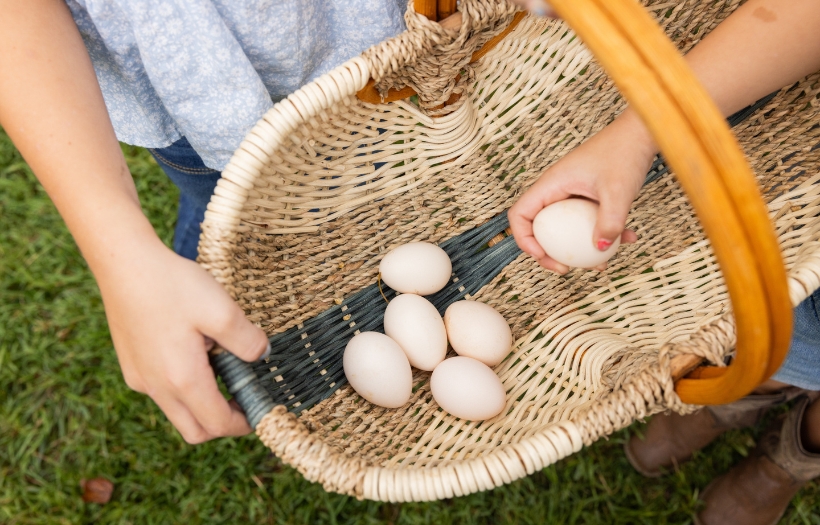
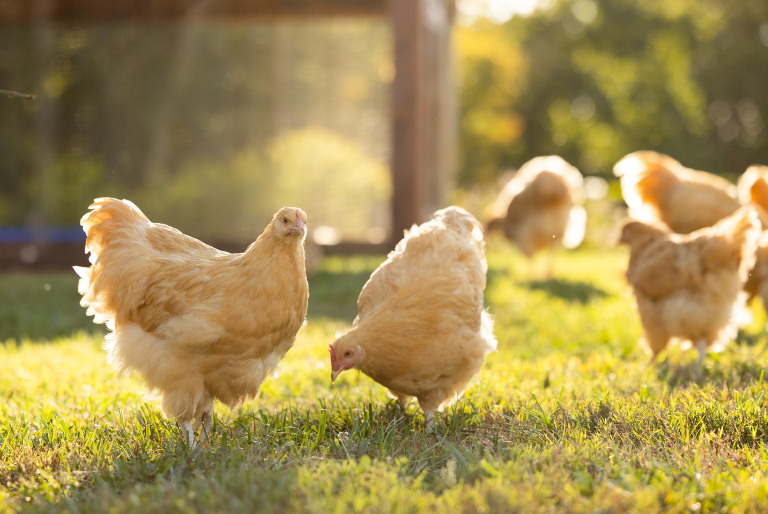
Fresh eggs are one of the best benefits of raising backyard birds and knowing how to properly store and check freshness is an important step. Luckily, nature has designed the eggshell as the perfect packaging material. It allows air to enter but is an effective bacteria barrier. Eggs can keep for weeks before spoiling, but the fresher they are, the better they taste.
Table of contents
Key Takeaways
- Fresh eggs are a great benefit of raising backyard birds, but proper storage is essential for maintaining their quality.
- Handle eggs carefully and avoid washing them immediately to preserve the natural protective coating on the shell.
- Use the water float test to check if an egg is still fresh: fresh eggs sink, while older eggs may stand upright or float.
- Weather impacts egg freshness; hot temperatures can spoil eggs quickly, while freezing conditions may cause cracking.
- Monitoring seasonal conditions is crucial for ensuring that fresh eggs stay usable.
How to store fresh eggs to maintain freshness
After collecting eggs, it’s important to handle them carefully. Eggs that have dirt or debris on the shell can be gently wiped clean using a dry cloth or soft brush. Washing eggs immediately is not recommended, as it can remove the natural protective coating on the shell.
Storing eggs properly after collection helps maintain freshness. Consistent storage and careful handling can reduce cracking and slow down moisture loss, helping eggs stay fresh longer.
How to tell if an egg is still fresh
Before using your eggs, it’s a good idea to check their freshness. One common method is the water float test. Place an egg in a bowl of water to see how it behaves:
- Fresh eggs will sink and lie flat on the bottom.
- As eggs age, they may stand upright or float due to air entering the shell.
Eggs that float should not be used.
How does temperature and weather affect egg freshness?
Weather and temperature can affect egg quality. During hot weather, eggs can spoil more quickly if they are not collected and stored promptly. Cold weather can also create challenges, as eggs left out in freezing temperatures may crack.
Paying attention to seasonal conditions helps ensure eggs remain fresh and usable.