Chicken Coop Plans: Creating a Delightful Chicken Home
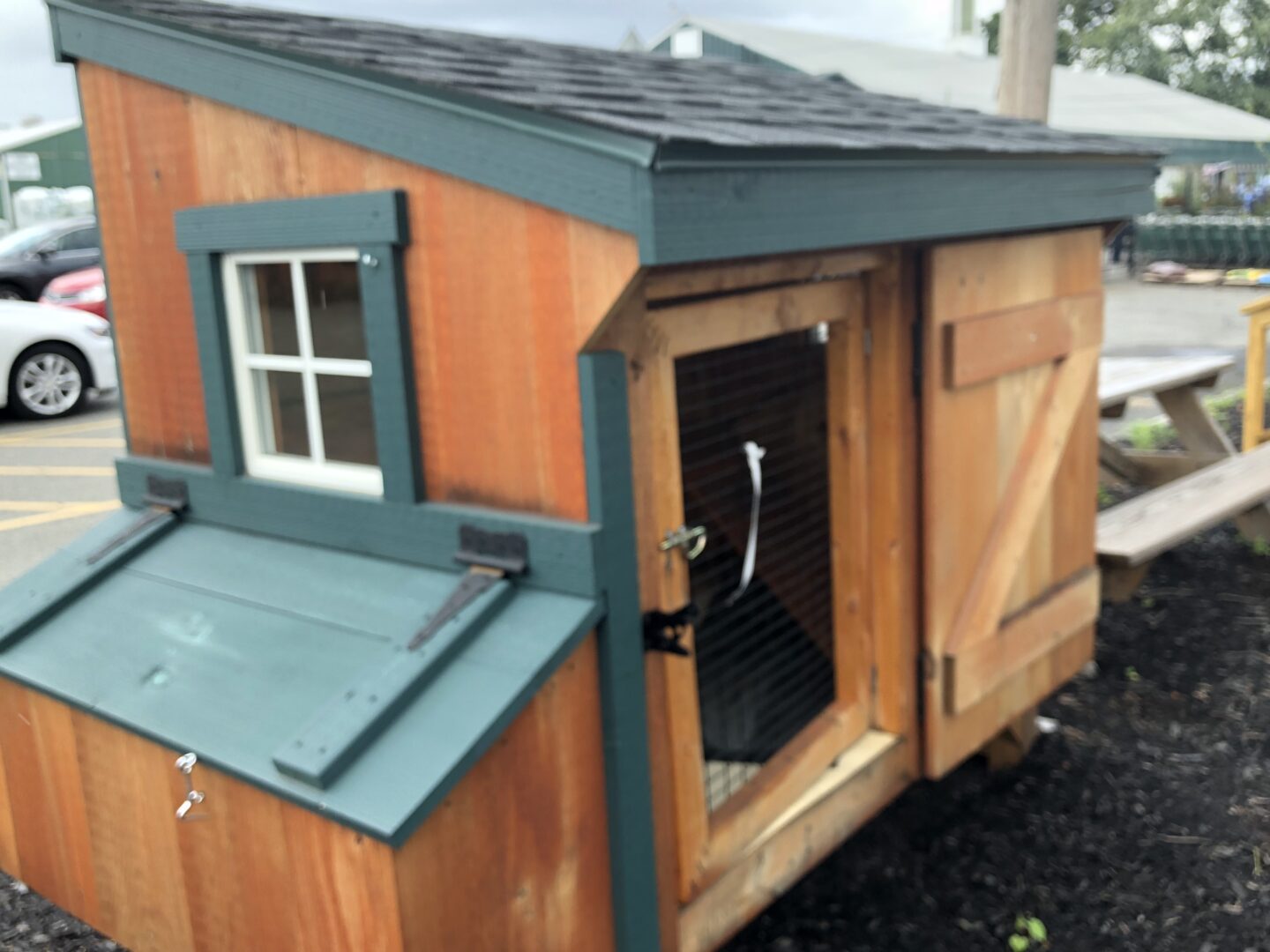
Table of Contents
- Why Is Fall the Best Time To Plan for Backyard Chickens?
- What Makes an Ideal Chicken Coop?
- How Much Space Should Each Chicken Have?
- How Do You Keep Chickens Comfortable in All Seasons?
- How Can You Protect Your Flock From Predators?
- What Coop “Furniture” Do Chickens Need?
- Where Should Feeders, Waterers, and Light Be Placed?
- How Do You Keep the Coop Dry and Weatherproof?
- Is Electricity Necessary in a Chicken Coop?
- What Are the Best Ways To Acquire a Chicken Coop?
Key Takeaways
- Fall is the ideal season to plan for backyard chickens, allowing for research on breeds and coop designs.
- An ideal chicken coop needs enough space, ventilation, and predator protection to ensure comfort and safety.
- You can acquire a chicken coop by modifying an existing structure, purchasing a pre-built kit, or building from scratch.
- Chickens require specific coop furniture, such as perches and nest boxes, and must have access to food and water.
- Electricity is not necessary for a coop but can make chicken care easier, especially in cold climates.
Why Is Fall the Best Time To Plan for Backyard Chickens?
Fall is the best season for a family to prepare for the delightful experience of welcoming a small flock of chickens to the backyard. For poultry newcomers, fall gives them plenty of time to research the breeds they’d like to welcome, acquire, design or create and research chicken coop plans or build a coop, and read up on chicken care.
Perhaps there’s even time to visit other families who already have chickens or take a beginning chicken class at a nearby farm store or nature center.
This is the first in a series of blogs that will detail the construction of a sturdy, attractive coop. It’s not always necessary to build a coop, but construction is a fun family learning experience.
What Makes an Ideal Chicken Coop?
Whether a coop is made by a family from scratch, purchased as a kit, or crafted from an existing building, these characteristics are necessary for chickens to be comfortable, safe, and productive.
How Much Space Should Each Chicken Have?
Be sure to have at least four-square feet of coop floor space per hen. More is even better and attaching an outdoor run to the coop adds living space. Coops can be as small as eight or ten square feet, suitable for two hens. More common backyard coops are 20 to 30 square feet and designed for four to six hens. If space is tight, consider bantam chickens. They only need half to a third as much space as full sized birds.
How Do You Keep Chickens Comfortable in All Seasons?
Coops should provide plenty of ventilation, yet thwart chilly drafts come winter. Hens enjoy a cool breeze on sultry summer evenings and need to be protected from winter’s harsh winds. Great coops allow opening windows or vents when the weather is warm yet closing them down when frost arrives.
How Can You Protect Your Flock From Predators?
Raccoons, opossums, mink, and a host of other furry predators love eating fresh chicken. Mosquitoes and gnats enjoy a meal of blood. Good coops have heavy duty wire mesh on the outside and mosquito netting on the inside stretched over windows to keep predators at bay. A sturdy door, locked each evening after the chickens go to bed, keeps nocturnal predators out.
What Coop “Furniture” Do Chickens Need?
Chickens sleep while standing on a perch. A pole or 2×4 with rounded off corners a couple of feet above the floor, makes a comfortable sleeping structure. Hens prefer to lay in nest boxes, which also keep eggs clean. Coops should have at least one nest per four birds. Many small coops have a hinged door that allows for egg collection without entering the coop.
Where Should Feeders, Waterers, and Light Be Placed?
These should be easy for hens to reach and humans to clean and fill.
Chickens need light. Windows should be positioned to gather as much natural daylight as possible. In the northern regions, positioning a coop so windows are on the south side helps gather the most sunshine and warmth on cold winter days.
How Do You Keep the Coop Dry and Weatherproof?
Chickens love frequent drinks of clean fresh water, but a wet coop is an invitation to disease and foul odors. The coop must have a good roof that will always protect the interior from rain and snow.
Is Electricity Necessary in a Chicken Coop?
It’s not necessary to have electricity to the coop, but it makes care of chickens easier, especially in cold climates. Having electricity allows adding artificial light on dark winter days. That increases egg production. Also, a great convenience is a waterer with an electric heating unit inside it. This eliminates the need to keep replacing frozen waterers with fresh water.
Ideal coops should look great in the yard and be part of a backyard decor. Access should be easy, so hens can be examined, feeders and waterers filled, and cleaning a snap.
What Are the Best Ways To Acquire a Chicken Coop?
Can You Modify an Existing Structure Into a Coop?
Often one of the easiest and least expensive ways of creating a backyard coop is to modify an existing building. A large corner of a garage or storage building may work well. Modification may be as simple as making a frame of 2×4 lumber, framing in a door, and covering the interior with chicken wire. Add a feeder, waterer, nests and roost and, bingo, it’s ready to house the flock. Cut a pop hole door in the exterior, create a fenced outdoor run, and the chickens have a snug home to sleep in and escape foul weather and a pleasant outdoor place to loiter and search for tasty insects and seeds. Many home stores sell pre-built or kit garden sheds. These can be modified into a coop.
Should You Buy a Pre‑Built Coop Kit?
Most places that sell chicks and chicken supplies sell coop kits, and they are also available from chick hatcheries and online. Most kits are small and lightweight. Many allow the purchase of an attached outdoor run. Some kits seem quite frail and may be best suited for people trying chickens for the first time. If they grow to love their hens, they may graduate to a larger or more elaborate coop. Some coop kits are high quality and durable. Take a close look at materials before buying.
Is a Custom‑Made Coop Worth It?
Many garden and farm stores sell custom made coops. These are often high quality. They look great and are durable but may be relatively expensive. Well-made coops are heavy, so make sure the seller is willing to deliver it.
Why Build a Coop From Scratch?
This is an ideal way to enter the backyard chicken hobby. Later blogs featured on Scoop from the Coop will detail why and how to build a coop perfect for any yard.