Getting Ready For Eggs: How to Prepare Your Pullets for Laying
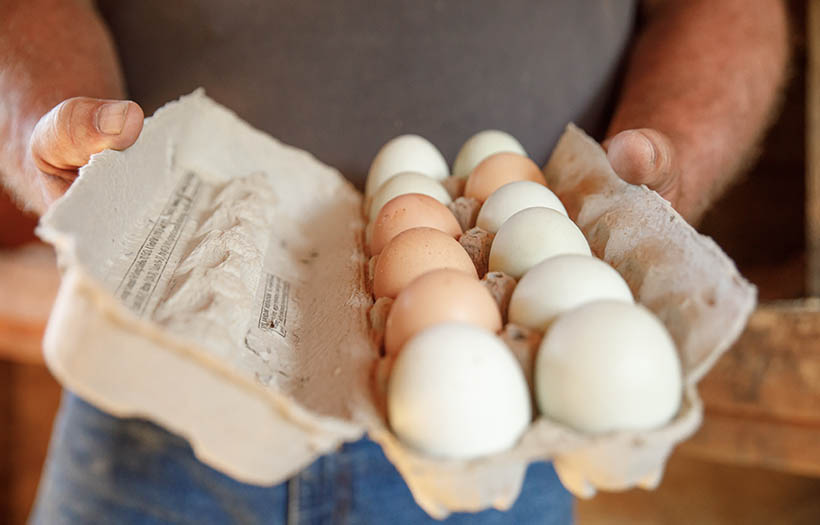
Summer is just around the corner, and your spring chicks are growing up fast. Soon, you’ll find those first tiny eggs in the nest! Here’s how to prepare your pullets for a smooth transition to laying.
Table of Contents
Key Takeaways
- Pullets typically start laying eggs between 16 and 24 weeks of age, with early eggs being small and irregular.
- Switch to layer feed at 16 weeks for proper nutrition, and consider supplementing calcium for hens.
- Signs that pullets are ready to lay include age, appearance, and pelvic bone separation.
- Prepare nesting boxes before the first egg arrives, providing one box for every two to three hens.
- Ensure nesting boxes are lined for clean eggs and placed in a private area for your pullets.
When Do Chickens Start Laying Eggs?
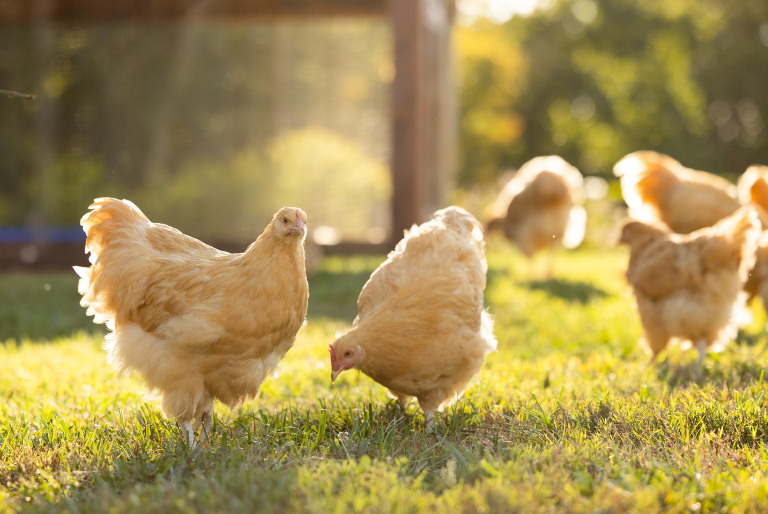
Pullets, or young hens, usually start laying eggs between 16 and 24 weeks of age. Those first eggs are exciting to find, even if they look a little different. Early eggs are often small, irregular in shape, or laid inconsistently—but don’t worry. With time, size and frequency will even out.
Discovering that first egg from your hand-raised chicks is a big moment. Pullet eggs are tiny and look like little gems in the nest. Just remember, the early phase is temporary. As your hens mature, their eggs will become more uniform and production will stabilize.
Switch to Layer Feed at 16 Weeks
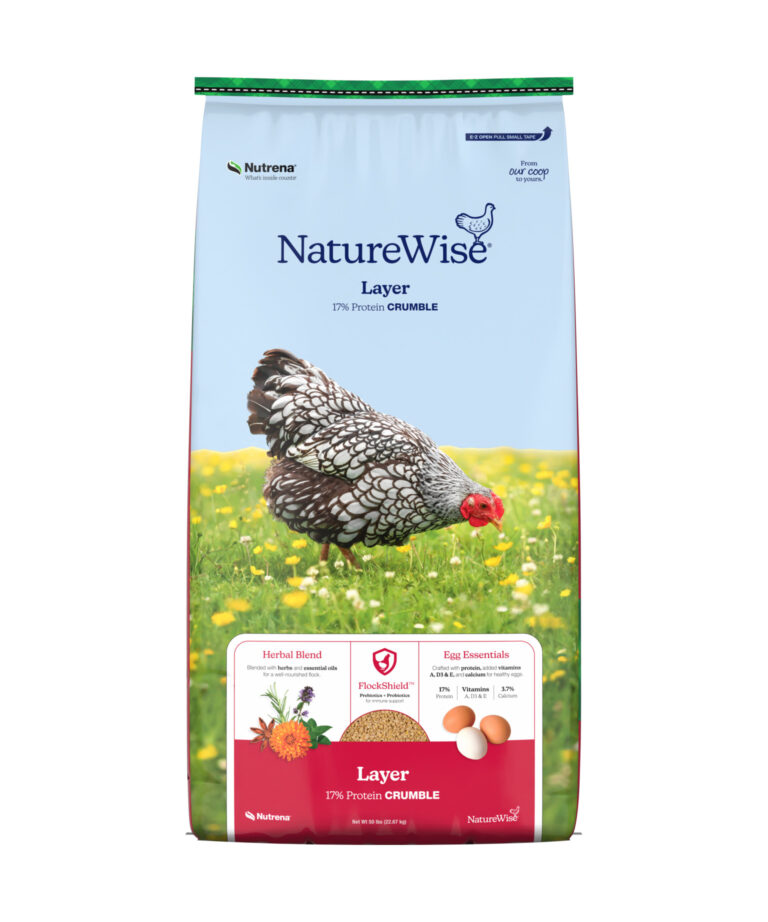
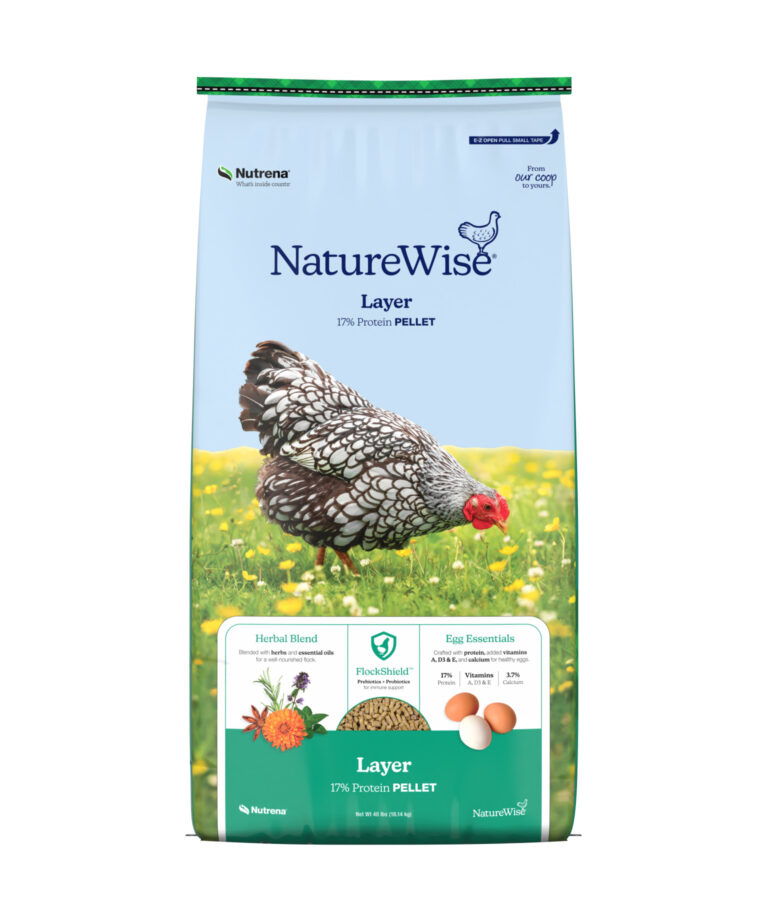
If your pullets are over 16 weeks of age, now is the time to switch them to a layer feed, as laying hens need special nutrition. Producing eggs places great nutritional strain on a hen’s body. Just think of the calcium she is giving up each time she lays an egg! Look for a layer feed that has the minerals, vitamins, protein and other nutrients needed to help keep your birds healthy and productive.
Now would also be a good time to supplement calcium by putting oyster shell out or sprinkling it on the coop floor for hens to discover and eat.
Are your pullets ready to lay eggs? Here’s How to Tell
- Chickens will be between 16-24 weeks old
- Pullets look full grown with clean, new feathers
- Combs and wattles have swollen and are a deep red color
- Bones in the hen’s pelvis will begin to separate
To check if the hen’s pelvis bones have begun to separate, cradle the hen between your side and arm with the hen facing your back so you see its rear end. Carefully hold the bird’s feet so it can’t kick. Place your other hand gently on the hen’s rear end. If three prominent bones are close together, don’t expect eggs for a few more weeks, but if the bones have separated, expect eggs soon!
Prepare Nesting Boxes Before the First Egg
Pullets like to lay eggs in privacy, and it’s important to have nest boxes in place before the first egg arrives. These can be purchased or made of lumber and should be approximately 10-12 inches square and about 18-inches deep. Install one nest box for every two to three hens and place them from one to three feet above the floor. Line the nests with straw, dried grass, wood chips or even shredded paper to help keep the eggs clean.
In no time at all, you’ll have an abundance of eggs – right from your own backyard!