How to Support Healthy Egg Production in Laying Hens
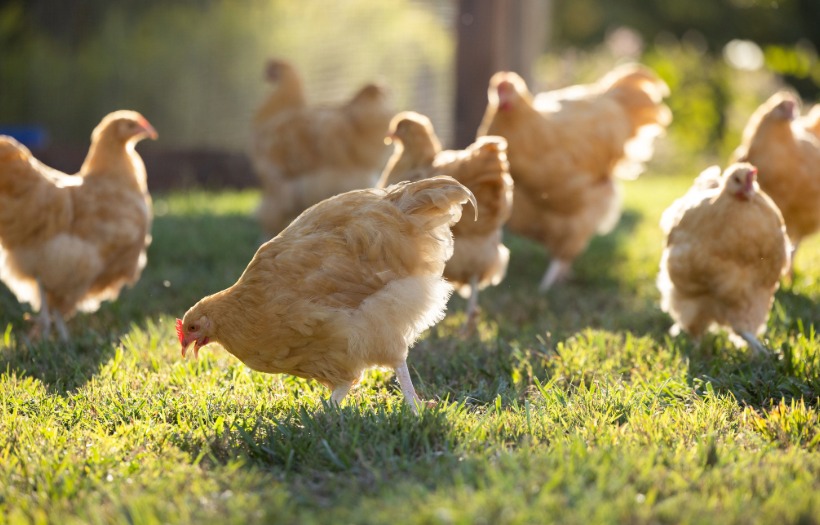
If there’s one thing every chicken keeper loves, it’s opening the nesting box and finding a basket full of beautiful, fresh eggs. Supporting healthy egg production starts with the everyday care you provide you flock; from the feed you choose to the fresh water you offer each day.
From choosing the right layer feed to keeping fresh water available, small decisions can make a difference in your hens’ overall health and the quality of the eggs they lay.
So, how can you support healthy egg production in chickens?
The answer starts with a strong foundation: balanced nutrition, consistent care, and a feeding program you can feel good about every day.
When you know your hens are getting the nutrients they need, you can feel more confident that you’re doing your part to help them thrive.
Table of contents
- What Does It Take to Support Healthy Egg Production?
- Why Is Nutrition Important for Healthy Eggs?
- How Can I Support Golden, Vibrant Egg Yolks?
- What Helps Hens Develop Healthy Eggshells?
- How Do Nutrena® NatureWise® TidBits® Healthy Egg Poultry Treats Fit into Your Feeding Routine?
- What Can I Do to Support Consistent Egg Production in my Hens?
- Support Your Flock, One Peck at a Time
Key Takeaways
- Healthy egg production in laying hens relies on balanced nutrition, fresh water, and consistent care.
- Three key factors include consistent nutrition, continuous access to clean water, and a comfortable coop environment.
- Quality layer feed provides necessary proteins, vitamins, and minerals; treats like TidBits® complement their diet.
- Yolk color is influenced by diet; natural ingredients can enhance yolk vibrancy and egg quality.
- Monitor hens’ health and environment to address changes in egg production and maintain overall flock well-being.
What Does It Take to Support Healthy Egg Production?
Healthy egg production depends on several factors working together, including nutrition, hydration, age, daylight, and overall flock health. While no feed or treat can guarantee a specific level of egg production, providing consistent car helps hens meet their nutritional needs and maintain their natural laying patterns.
Three essentials are especially important:
- Consistent nutrition: Laying hens need adequate protein, vitamins, minerals, and energy to support their bodies as they produce eggs.
- Fresh, clean water: Hens need continuous access to water for normal body functions and egg production.
- Consistent care: A comfortable coop, appropriate nesting spaces, good sanitation, and reduced stress help create an environment where hens can thrive.
Think of these three factors as the building blocks of a successful backyard flock. When one piece is missing, it can affect the whole picture.
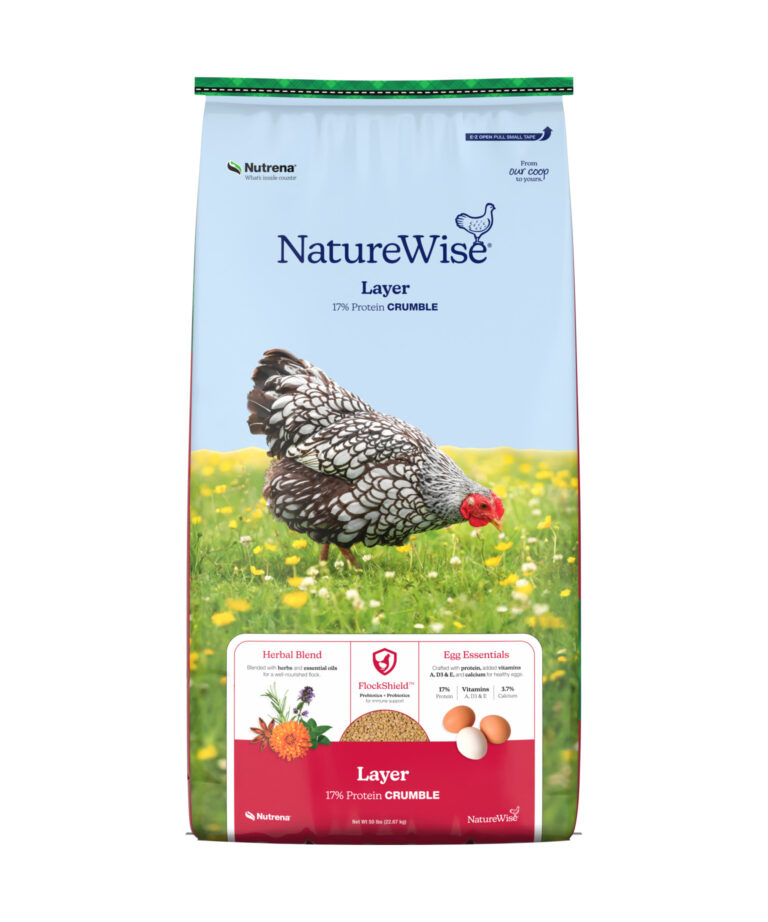
The quality of your hens’ diet matters too. A complete layer feed should be the foundation of their daily nutrition, while supplemental treats can provide variety and additional nutrients.
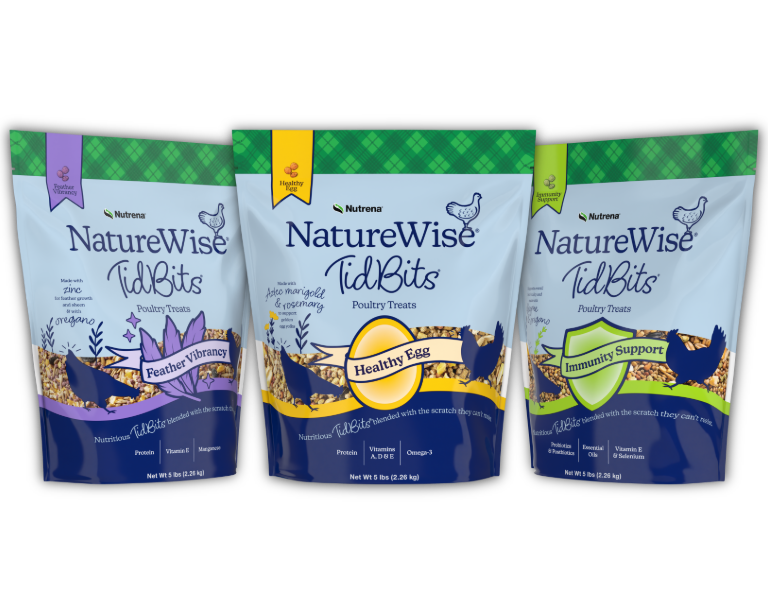
For chicken keepers looking to add something extra to their flock’s routine, NatureWise® TidBits® Healthy Egg Poultry Treats are designed to complement a balanced feeding program.
Why Is Nutrition Important for Healthy Eggs?
Producing an egg is a remarkable process, and it places nutritional demands on a hen every single day. That’s why quality nutrition matters. Every egg requires protein, vitamins, minerals, and energy that comes from the hen’s diet.
Providing the right nutrition helps support normal egg formation, eggshell development, and overall hen health.
Protein and Amino Acids
Protein supports muscle maintenance, feather health, and other essential body functions. Hens also require amino acids, the building blocks of protein, to support their nutritional needs during production.
A complete layer feed formulated for laying hens helps supply these nutrients in appropriate amounts. Treats like TidBits® Healthy Egg can be a fun addition to your flock’s routine, but they should complement, not replace, a complete and balanced layer feed.
Vitamins A, D3, and E
Vitamins play an important role in poultry health. Vitamin A supports normal vision, growth, and immune function. Vitamin D3 helps hens absorb and use calcium, which is essential for bone health and eggshell formation. Vitamin E contributes to normal cellular function and antioxidant protection.
Some treats, like TidBits® Healthy Egg, contain added vitamins A, D3, and E to complement the rest of your flock’s diet.
When hens receive balanced nutrition day after day, these nutrients work together to support overall health and help maintain normal egg development.
Omega-3 Fatty Acids
Omega-3 fatty acids are another nutritional consideration for laying hens. These fats contribute to normal body functions and can be incorporated into a hen’s diet through appropriately formulated feeds and supplements.
As with other nutrients, the overall diet matters more than any single ingredient. A consistent feeding program helps ensure your hens receive the range of nutrients they need.
How Can I Support Golden, Vibrant Egg Yolks?
One of the most noticeable differences between eggs is yolk color. For many backyard chicken keepers, a rich golden yolk is one of the most rewarding parts of gathering fresh eggs.
Yolk color is influenced largely by the pigments in a hen’s diet. That’s why ingredient selection matters. Certain naturall derived ingredients can help support the vibrant yolk color many flock owners enjoy seeing in the nesting box.
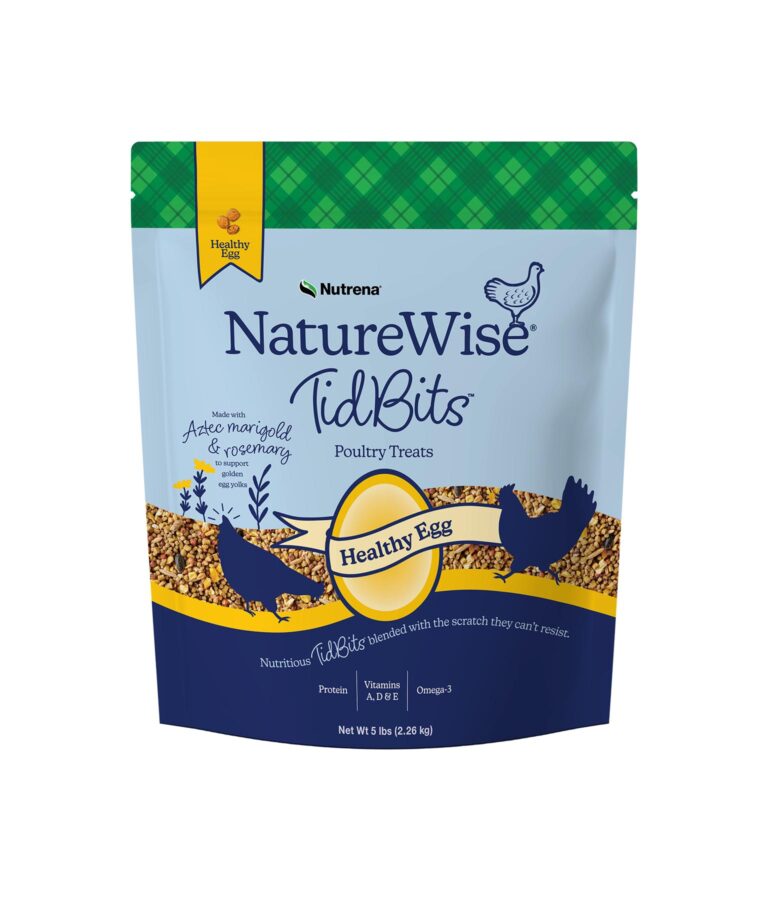
NatureWise® TidBits® Healthy Egg Poultry Treats include Aztec marigold extract, an ingredient used to support golden, vibrant yolks, along with rosemary extract.
These treats offer a simple way to add targeted nutritional ingredients to your flock’s routine. They’re especially appealing to chicken keepers who enjoy collecting colorful eggs from their backyard hens.
It’s important to remember that yolk color alone does not tell you everything about an egg’s nutritional values or a hen’s health. A darker yolk is not automatically proof that an egg is healthier, and results can vary depending on the hen’s overall diet and other factors.
Fror the best foundation, maintain a complete layer ration and use supplemental treats as directed.
What Helps Hens Develop Healthy Eggshells?
Strong eggshells don’t happen by accident. Hens need the right nutritional building blocks, especially calcium and vitamin D3, to support normal shell formation.
A complete layer feed formulated for laying hens should provide the core nutrients required for normal eggshell development. Depending on your flock’s needs, additional calcium may also be appropriate.
For example, oyster shell can be offered separately to provide supplemental calcium to laying hens. Follow the guidance for you flock and chosen feed and make sure the calcium source is suitable for birds that are actively laying.
TidBits® Healthy Egg Poultry Treats contain calcium and vitamin D3 as part of their supplemental nutrient profile. However, their calcium count is not intended to replace the calcium supplied by a complete layer feed.
If you notice persistently thin, soft, or misshapen eggshells, consider your hens’ diet, age, hydration, and overall health. Older hens may experience changes in shell quality, and nutritional or health issues can also contribute. Consult a poultry veterinarian if abnormalities persist or you notice other signs of illness.
How Do Nutrena® NatureWise® TidBits® Healthy Egg Poultry Treats Fit into Your Feeding Routine?
Few things are more fun than heading out to the coop with a treat your flock comes running for. Beyond making feeding time more enjoyable, treats can provide enrichment and add variety to your hens’ routine.
The key is choosing a product that complements a balanced diet and feeding it in moderation.
That’s where NatureWise® TidBits® Healthy Egg Poultry Treats fit in. They’re designed to complement your hens’ feeding program while supporting the things backyard chicken keepers care about most: healthy eggs, vibrant yolks, and happy hens.
Here are a few product highlights:
- Aztec marigold and rosemary: Ingredients selected to support golden, vibrant yolks.
- Protein and essential vitamins: Provides supplemental protein and vitamins A, D3, and E.
- Omega-3 fatty acids: Adds another nutritional component to your hens’ feeding routine.
- FlockShield™: A proprietary blend associated with supporting digestive healthy, immune function, and nutrient absorption.
These features make TidBits Healthy Egg Poultry Treats a convenient supplement for poultry keepers who want to add targeted nutritional support to their flock’s routine.
How Often Should I Feed TidBits® Healthy Egg Poultry Treats?
TidBits Healthy Egg Poultry Treats are intended for birds older than seven weeks and should make up no more than 10% of the daily diet.
Treats are primarily an energy source, not a complete feed. Continue providing appropriate complete feed alongside treats, and follow the feeding directions on the product label.
Also provide continuous access to plenty of appropriate poultry grit and clean, cool water. Store the product in a cool, dry place protected from insects, rodents, and other pests.
What Can I Do to Support Consistent Egg Production in my Hens?
Good nutrition is the foundation, but successful flock management goes beyond what’s in the feeder. Your hens’ environment and daily routine can influence their comfort, health, and laying patterns.
The good news is that many of the factors affecting egg production are things backyard chicken keepers can manage every day.
Keep Fresh Water Available
Water is essential for normal body function and egg production. Check waterers regularly to ensure they are clean, functioning properly, and accessible to every bird.
During hot weather, hens may drink more frequently. In winter, freezing water can make hydration more challenging, so check water sources throughout the day.
Provide a Comfortable Coop
A clean, well-ventilated coop with suitable space helps reduce stress and supports flock health. Provide comfortable nesting boxes, clean bedding, and enough room for birds to move around without excessive crowding.
Regularly collect eggs and keep nesting areas clean to help protect egg quality.
Pay Attention to Daylight and Seasonal Changes
Egg production naturally changes throughout the year. Many hens lay fewer eggs when daylight hours decrease, and seasonal temperature changes can affect flock behavior and management needs.
If you choose to supplement daylight, maintain a consistent schedule and consider your hens’ overall welfare. Remember that reduced egg production during certain seasons is not necessarily a sign of poor nutrition.
Monitor Your Hens and Their Eggs
Get familiar with your flock’s normal laying patterns, behavior, and appearance. Changes in egg numbers, shell quality, or yolk color can have several explanations.
A sudden decline in laying may be associated with molting, age, stress, reduced daylight, changes in diet, or illness. Look at the full picture rather than assuming a treat or feed change will solve every issue.
If a decline is sudden, persistent, or accompanied by signs of illness, seek advice from a poultry professional.
Support Your Flock, One Peck at a Time
Being a successful chicken keeper isn’t about finding a shortcut. It’s about showing up every day with the right nutrition, fresh water, a comfortable environment, and attention to your flock’s needs.
When you start with a strong nutritional foundation and choose products you can trust, you can feel confident you’re supporting your hens every step of the way.