Identifying Problems in Your Backyard Flock
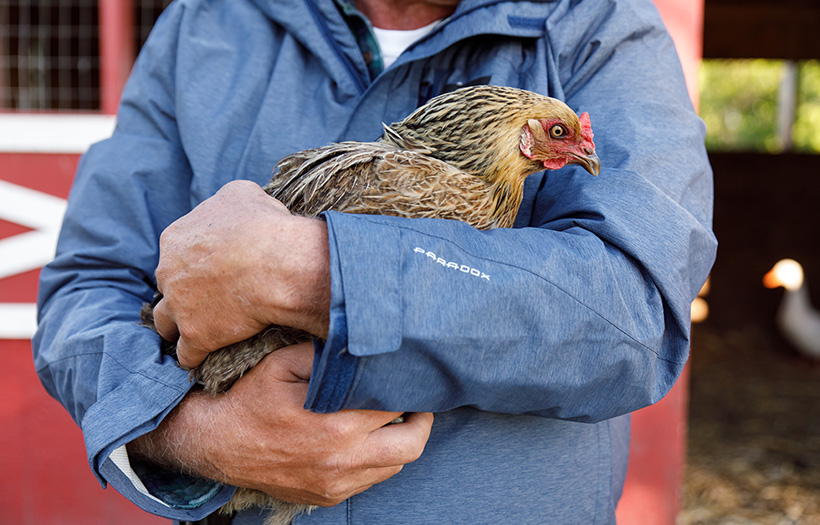
Keeping a flock healthy starts with knowing when something feels a little “off.” For new chicken owners, recognizing early signs of illness can feel intimidating. The good news is that once you know what to look for, you can step in quickly, support your bird, and protect the rest of the flock with confidence.
Table of Contents
Key Takeaways
- Chickens often hide illness to avoid appearing vulnerable, making it crucial for owners to recognize subtle changes.
- Early signs of sickness include listlessness, loss of appetite, and a pale face or comb.
- Perform a body check to assess the chicken’s condition and look for signs of parasites, especially under wings and around the vent area.
- Separate any sick bird to prevent illness spread and monitor their recovery closely.
- Seek help from poultry communities or avian veterinarians if symptoms persist or remain unclear.
Why Chickens Hide Symptoms
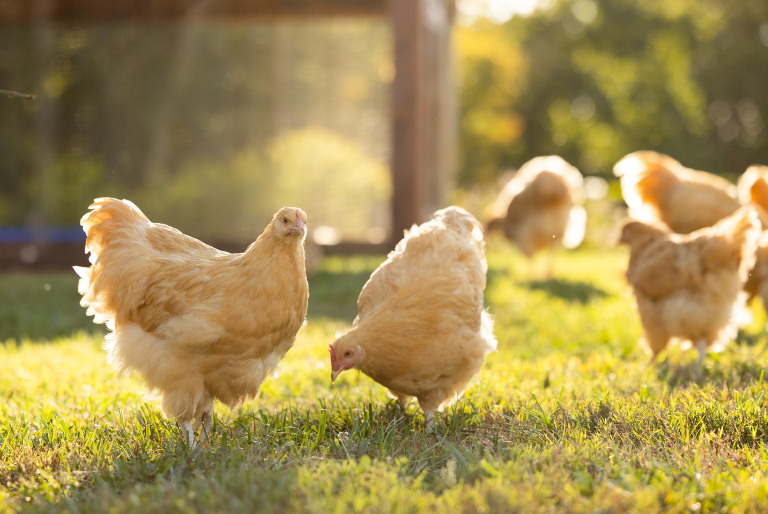
Chickens are flock animals, which means they instinctively mask illness to avoid appearing vulnerable. This natural behavior helps them in the wild, but it can make life trickier for backyard keepers. Your job is to notice the quiet changes that might indicate trouble.
Early Signs Your Bird May Be Sick
If a bird is starting to feel unwell, you may notice one or more of the following:
- Listlessness: A normally active hen that suddenly sits off to the side or avoids the group may not be feeling her best.
- Loss of Appetite: Chickens love routine, especially at feeding time. If a bird ignores quality poultry feed or hangs back while others eat, it’s time to take a closer look.
- Pale Face or Comb: Healthy birds show vibrant coloring. When the face or comb turns noticeably pale, it can signal underlying illness or stress.
The Body Check: What to Look For
Pick up the bird gently and assess body condition. A healthy chicken should feel appropriately plump. If she feels unusually thin, parasites may be part of the issue.
Checking for Parasites
Parasites are common in poultry and often hide where feathers are sparse.
- Look under the wings at the bare patches for signs of lice.
- Fan the tail and check the vent area for tiny mites moving along the skin.
If you see parasites, reach for poultry dust, available at most farm stores. It provides quick relief and is easy to apply. Diatomaceous earth can help prevent future issues, but poultry dust works best for active outbreaks.
When to Separate a Sick Bird
Any bird showing illness or carrying parasites should be temporarily separated. This helps prevent spread within the flock and allows you to monitor symptoms more closely while the bird recovers.
When You Need More Help
If symptoms persist or you uncover something you cannot identify, do not hesitate to reach out for support. Many backyard poultry communities offer helpful insight, and some veterinarians specialize in avian medicine. Just make sure the vet you contact is knowledgeable in poultry care.