Managing Nests
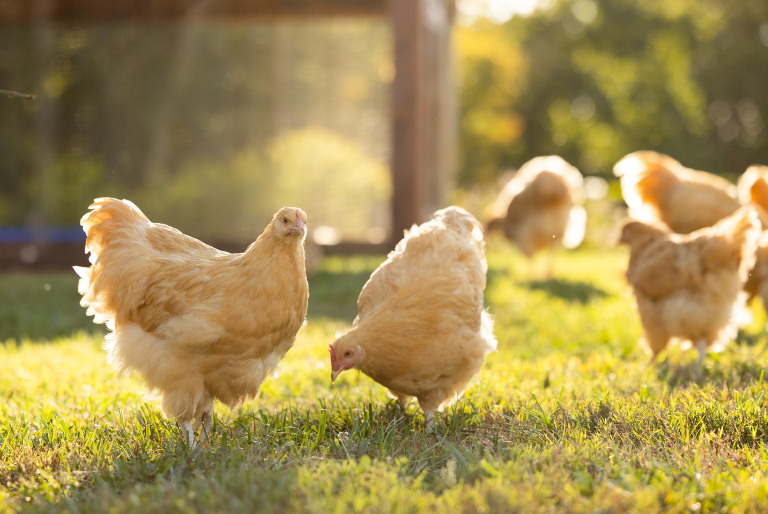
Chickens can be wonderfully productive, but they can also be wonderfully quirky. Nesting habits are a perfect example. Give a flock several roomy nest boxes and you may find three hens crammed into one while the others sit empty. Or worse, a few birds may bypass nests altogether and lay right on the coop floor, leaving eggs dirty and harder to collect. While there is no perfect fix, good nest management keeps eggs cleaner and makes gathering them much easier.
Table of Contents
Key Takeaways
- Chickens need enough nest boxes; one for every five hens is a common guideline but may not prevent crowding.
- Encourage hens to use all nests by adding curtains, posting ‘No Vacancy’ signs, or baiting nests with eggs or golf balls.
- The ideal nest box size for most hens is about 12 inches deep and wide, with 8 to 12 inches in height.
- Place nests near the coop entrance for easier egg collection and consider exterior nests for convenience.
- Choose effective nest linings like wood shavings, commercial liners, or straw to keep eggs clean and safe.
How Many Nests Do You Need?
Most backyard chicken resources recommend one nest box for every five hens. This is solid guidance for small flocks. However, because most eggs are laid in the morning, several hens often attempt to use the same box at the same time. This leads to crowding, jostling and the occasional broken egg, which soils otherwise clean eggs and creates extra work.
Adding more nests seems like an obvious solution but does not always solve the problem. Even with a nest for each hen, many flocks still choose the same favorite box while nearby nests remain unused.

How to Encourage Hens to Use All Nests
A few simple tricks can help distribute hens more evenly.
Use Curtains
Hens prefer privacy and dim light when laying. Adding a small fabric curtain over the top half of a nest opening can make a little‑used box more appealing. An old T‑shirt or towel works perfectly.
Post a “No Vacancy” Sign
Temporarily cover the most popular nest with a board so hens are forced to choose another. After a week or so, remove the cover. Many hens will have adopted their new spot by then.
Bait the Nest
Place an egg or two in the nest you want hens to use. Artificial nest eggs are perfect because they never spoil. Golf balls also work well. Real eggs can be used but should be swapped daily.
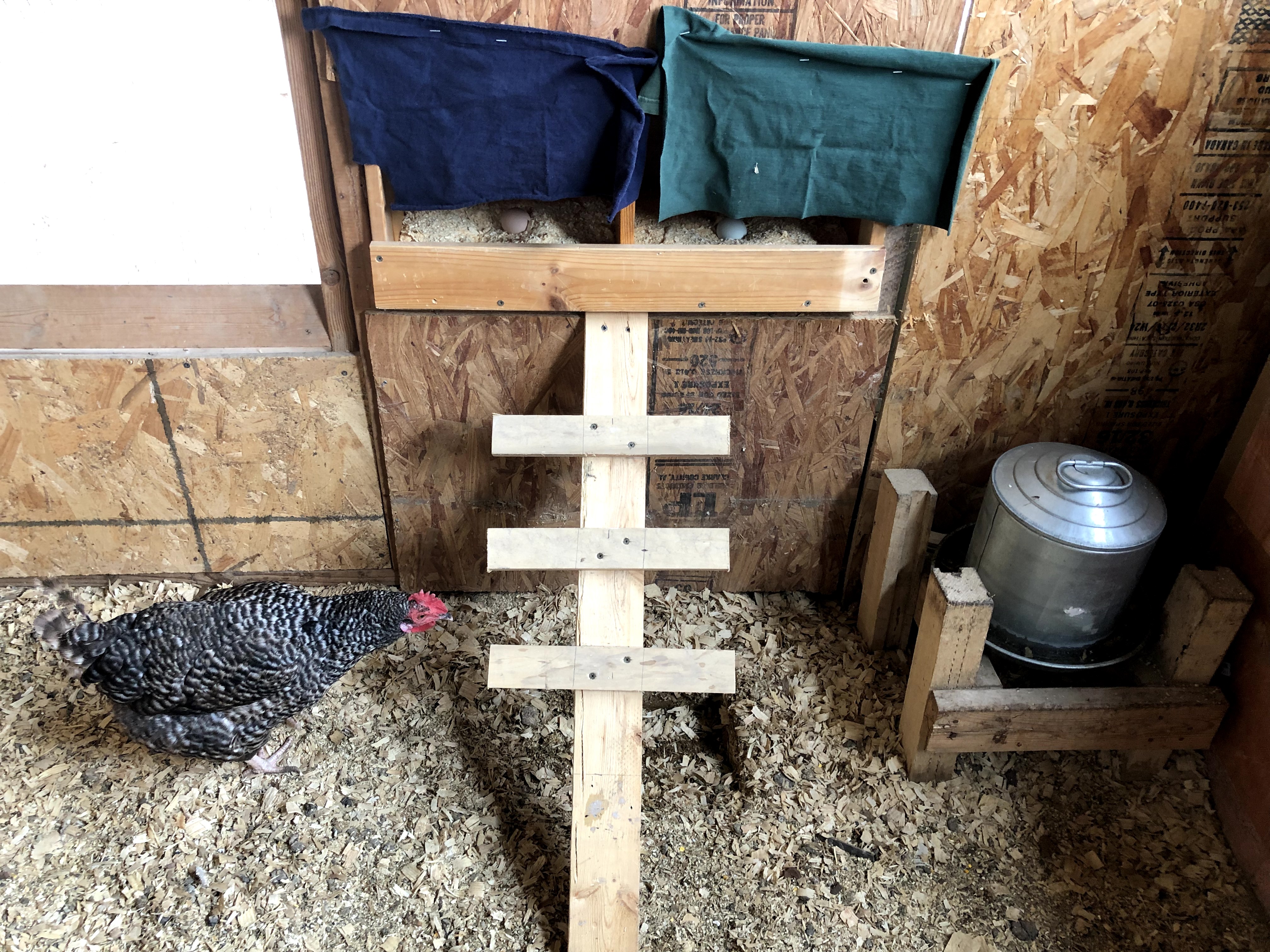
Choosing the Right Nest Size
Chickens vary widely in size, from petite Bantams to hefty Brahmas. Most backyard flocks include mid‑sized brown‑egg layers that weigh between five and eight pounds. For these birds, nest boxes measuring about 12 inches deep, 12 inches wide and 8 to 12 inches high work well.
Building a nest box is an easy project. A five foot long one by twelve board cut into one foot sections makes a single nest. A ten foot board makes two. Be sure to attach a four inch tall board across the bottom lip of the nest to hold bedding in place and prevent eggs from rolling out.
Placing Your Nests in the Right Spot
Hens often choose the nest that is the least convenient for you. It might be one low to the floor or tucked far from the coop door. Make egg collection easier by placing nest boxes near the entrance where you can reach them comfortably.
Even better, consider a coop design with exterior nests. These protrude from the outside wall and have a hinged lid on top so you can gather eggs without entering the coop.
Choosing Nest Linings That Keep Eggs Clean and Safe
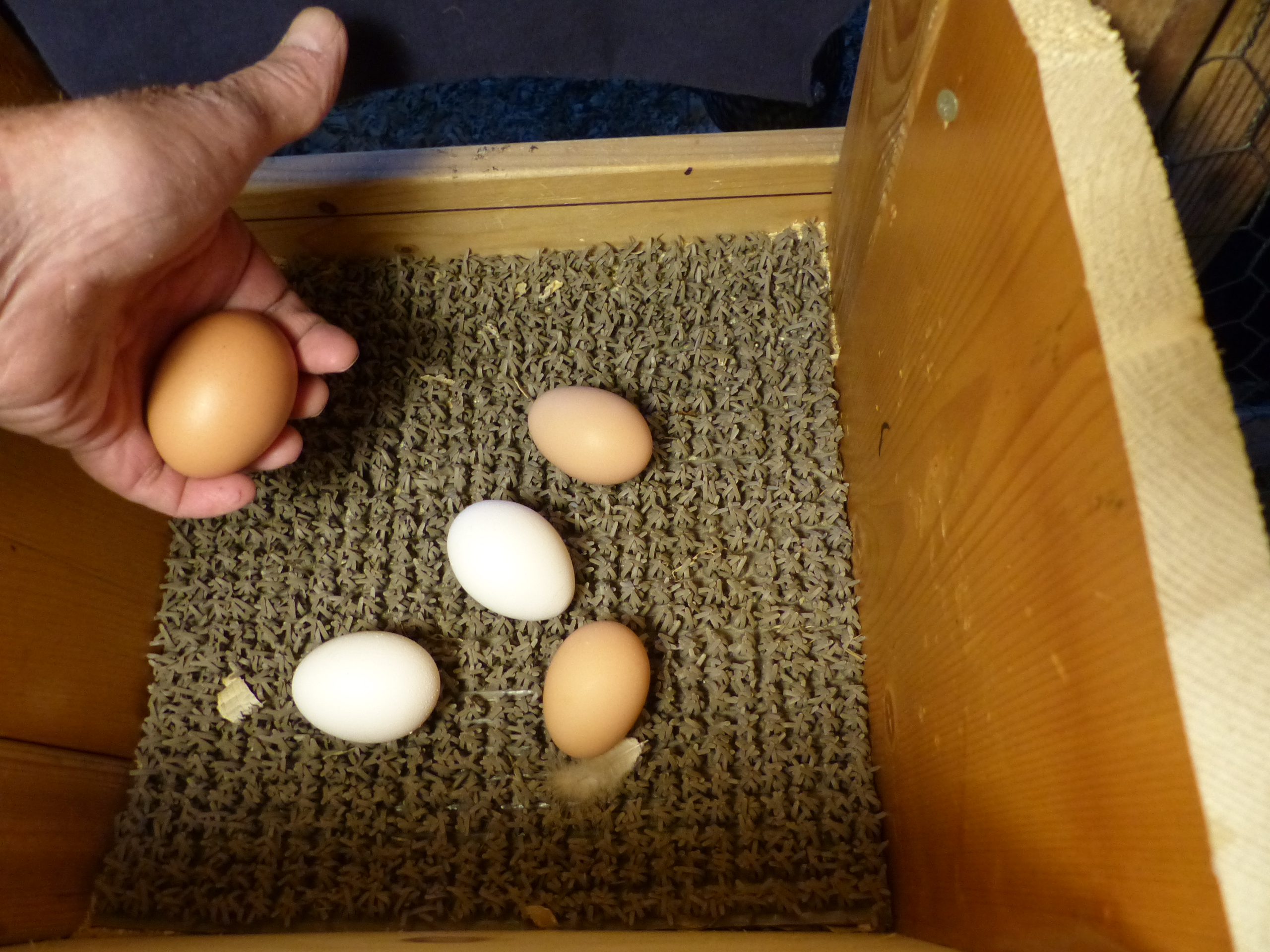
The right lining cushions eggs, keeps them clean and makes laying more comfortable. Here are several effective options.
Wood Shavings
Soft and fragrant, but hens tend to scratch them out. Larger sized shavings stay in place longer than fine sawdust.
Commercial Nest Liners
Plastic or woven wood fiber mats fit snugly in the nest and cannot be easily scratched out. Plastic liners can be rinsed clean. Wood fiber liners can be composted when worn.
Plastic Door Mats
Inexpensive green door mats can be cut to fit nest boxes. They cushion eggs, wash easily and stay put.
Straw
A classic choice that holds its shape and stays in place. Straw eventually packs down and needs to be replaced. Used straw makes great garden mulch.
Homemade Straw
Grass clippings can be dried into homemade straw. Simply mow tall grass on a warm, breezy day, let it dry in loose windrows, then store it in a container with a tight lid. It smells wonderful and makes a soft, free nest lining.
Better Nest Management Means Better Eggs
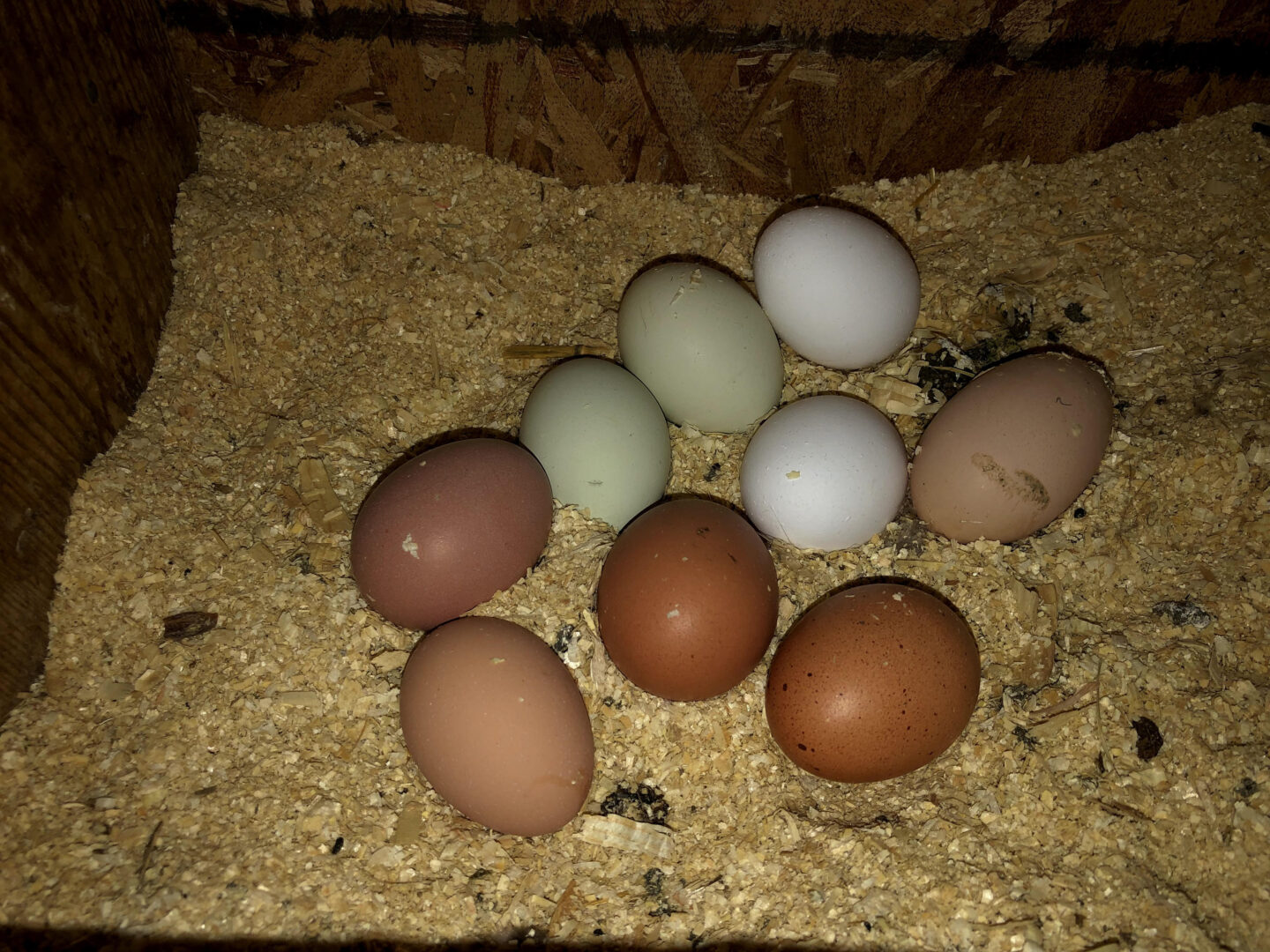
Fresh eggs are the treasure of the backyard coop. Smart nest placement, steady nest maintenance and comfortable linings create a cleaner environment so more eggs stay uncracked, unsoiled and easy to collect.