How Vitamin D3 Helps Hens Use Calcium for Shells
If you’ve ever collected eggs with thin, brittle, or cracked shells, you know how frustrating poor shell quality can be. While many chicken keepers focus on adding more calcium, the real secret to strong shells often starts with another nutrient: vitamin D3.
Vitamin D3 acts as the bridge between the calcium in your hen’s diet and the strong eggshell surrounding every egg she lays. Without enough vitamin D3, even a diet rich in calcium may not provide the eggshell strength you want.
For backyard flock owners, understanding how vitamin D3 works can help you choose the best natural chicken feed for eggshell quality and support consistent egg production, stronger shells, and healthier hens.
Table of contents
Key Takeaways
- Vitamin D3 for eggshells plays a crucial role in calcium absorption and shell formation, impacting egg quality.
- Hens need adequate calcium and vitamin D3 to produce strong eggshells; imbalanced diets can weaken shell quality.
- Common signs of nutritional issues include thin shells, cracked eggs, and reduced egg production.
- Choose complete layer feeds that meet hens’ nutritional needs and provide essential minerals and vitamins.
- Supplemental calcium sources, like oyster shell, should complement a balanced diet to support optimal eggshell strength.
Why Is Calcium Important for Eggshells?
An eggshell is made primarily of calcium carbonate. In fact, a laying hen needs a significant amount of calcium every day to produce strong shells.
When a hen lays an egg, calcium is pulled from two sources:
- Calcium supplied through her feed
- Calcium stored in her bones
If dietary calcium is insufficient, hens may draw heavily from their skeletal reserves. Over time, this can contribute to weaker birds and poorer shell quality.
This is why calcium and minerals for laying hens are essential components of any layer feeding program.
What Does Vitamin D3 Do in Laying Hens?
Vitamin D3 Helps Hens Absorb Calcium
Calcium in feed cannot do its job unless the hen can absorb it efficiently. Vitamin D3 activates the process that allows calcium to move from the digestive tract into the bloodstream.
Think of vitamin D3 as the key that unlocks calcium absorption.
Without enough vitamin D3:
- Calcium absorption decreases
- More calcium passes through unused
- Shell quality may decline
- Hens may struggle to meet the demands of egg production
This is why many nutritionists consider vitamin D3 just as important as calcium itself when supporting eggshell strength.
Vitamin D3 Supports Shell Formation
Once calcium enters the bloodstream, vitamin D3 helps regulate how it is transported and used throughout the body.
This includes directing calcium to the shell gland, where the eggshell forms during the final stages of egg development.
A balanced vitamin D3 chicken feed helps ensure hens can effectively use available calcium to build strong, durable shells.
How Can I Tell If My Hens May Need Nutritional Support
Poor shell quality can result from several factors, but these common signs may indicate an issue with nutrition:
- Thin eggshells
- Soft-shelled eggs
- Cracked eggs
- Rough or misshapen shells
- Reduced egg production
- Increased shell breakage
Age, stress, illness, heat, and inconsistent feed intake can also affect shell quality, but reviewing your feeding program is an excellent first step.
Choosing a Chicken Feed for Eggshell Quality
Look for Feed Formulated Specifically for Layers
The best chicken feed for eggshell quality is designed to meet the unique needs of laying hens.
A quality layer ration should provide:
- Adequate calcium
- Vitamin D3
- Phosphorus
- Essential trace minerals
- Balanced protein
- Consistent energy
A complete layer feed helps ensure hens receive these nutrients in correct proportions every day.
Focus on Complete Nutrition
Adding calcium supplements alone cannot compensate for an imbalanced diet.
Strong shells depend on complete layer feed nutrition, which includes the vitamins and minerals needed to absorb, transport, and utilize calcium effectively.
When evaluating feed options, look beyond the calcium percentage and consider the overall nutritional profile.
Should I Offer Extra Calcium to My Hens?
Many backyard poultry owners provide an additional calcium source, especially during peak laying periods.
Free-choice sources can help hens meet individual needs because not every bird requires the same amount.
Common supplemental calcium options include:
- Oyster shell
- Limestone-based poultry supplements
- Commercial layer calcium products
Offer supplemental calcium separately from the complete feed so hens can consume it as needed.
Remember, supplements work best when paired with a nutritionally balanced layer diet that includes vitamin D3.
What Other Nutrients Support Eggshell Strength?
Although calcium and vitamin D3 play starring roles, they are not working alone.
Strong eggshells also depend on:
Phosphorus: Works alongside calcium to support bone health and mineral balance
Trace Minerals: Minerals such as manganese and zinc contribute to shell quality and integrity
Protein: Supports egg production and overall hen health
Fresh Water: Hens need continuous access to clean water to maintain normal feed intake and egg production
Together, these nutrients create the foundation for strong, market-ready eggs.
NatureWise® Poultry Feed for Laying Hens
When it comes to producing strong, reliable eggshells, calcium is only part of the equation. Hens also need vitamin D3 to help absorb, transport, and use calcium effectively. Without the right balance of nutrients, even adequate calcium levels may not support optimal shell quality.
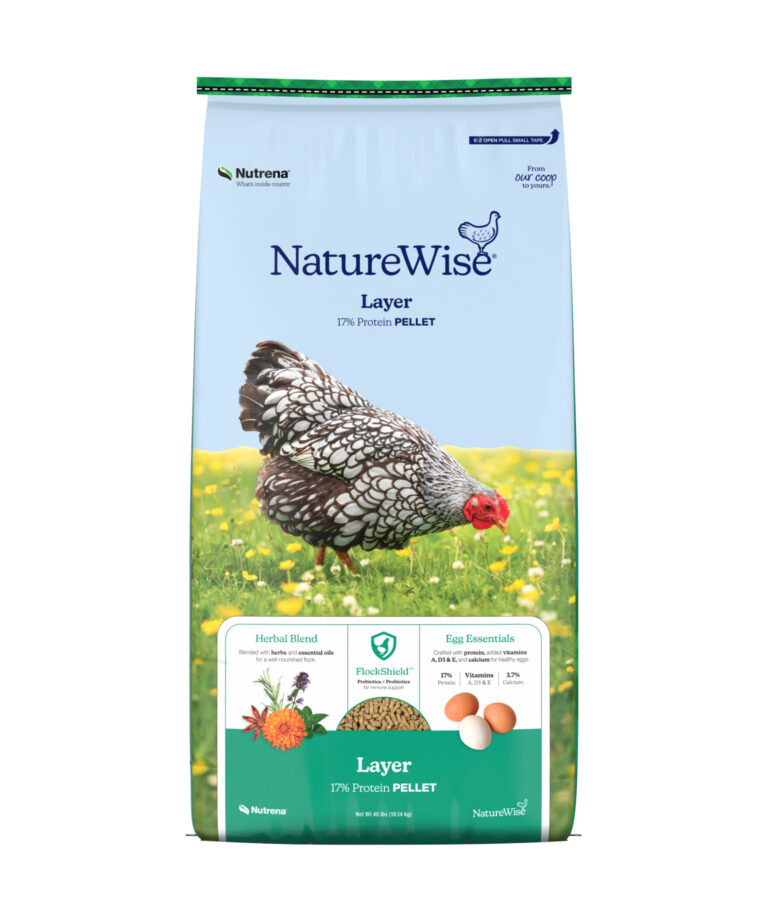
Feeding a complete ration, like NatureWise® poultry feed for layers, helps provide the nutrition your flock needs to support strong eggshells, healthy hens, and consistent egg production. Pairing a quality laying hen feed with access to appropriate calcium sources gives your birds the building blocks they need for reliable shell strength.
By choosing a complete chicken feed for eggshell quality, you can feel confident that you’re supporting your hens from the inside out. After all, strong eggs start with smart nutrition.