Predator‑Proofing Your Coop and Run: How To Keep Your Flock Safe
Your chickens are most vulnerable at night, and most predator issues come from small gaps, unsecured feed, or fencing weaknesses. A few smart upgrades can dramatically improve safety and peace of mind.
Table of Contents
Key Takeaways
- Predators pose a threat to chickens at night; securing your coop and run is essential.
- Ensure your flock roosts indoors every night to keep them safe and help them recognize the coop as home.
- Raise the coop to deter animals like skunks and snakes, and fortify the run with strong fencing to prevent attacks.
- Add lighting near the coop, and consider a protective rooster or farm dog for vigilance.
- Eliminate attractants, such as unsecured feed, to discourage predators from approaching your coop.
How To Protect Your Chickens From Predators
Keeping predators away starts with understanding where your coop and run may be vulnerable. Once you know the weak spots, you can reinforce them with simple but effective steps.
1. Make Sure Your Flock Roosts Indoors Every Night
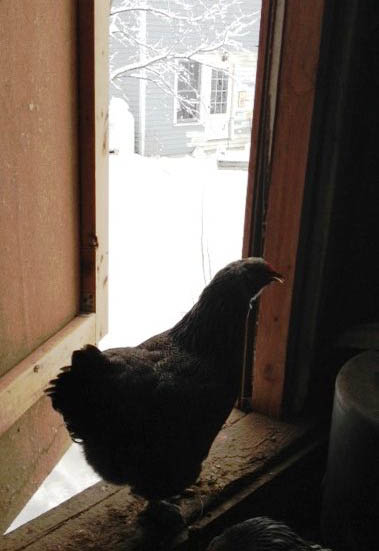
Chickens are safest inside a secure coop after dark. If some don’t naturally return to the roost, keep them inside the coop (with no run access) for at least one week. This helps them recognize it as home.
Safety note: Keep coop temperatures below 70°F when doing this.
2. Raise and Secure the Coop
Elevate the coop about 12 inches off the ground. This reduces hiding spots for skunks, snakes, and rodents that may steal eggs or threaten birds.
3. Fortify Your Chicken Run
The best predator defense is strong fencing. Consider:
- Mesh fencing with ½‑inch by ½‑inch openings to deter small predators and snakes
- Poultry wire or hardware cloth for perimeter fencing
- Burying hardware cloth 12 inches deep around the run to stop digging predators
- Covering the top of the run with poultry netting to protect against hawks
- Electric netting for added protection from dogs, raccoons, and coyotes
4. Add Lighting and Extra Watchfulness
A nightlight outside the coop can discourage predators. Choose one that is dim or pointed away from the roost so your birds still rest properly.
A protective rooster or chicken‑friendly farm dog can act as an early‑warning system.
5. Eliminate Attractants Like Unsecured Feed
Predators often show up because of spilled feed or food scraps. Keep the run clean and store all feed in a sturdy metal container with a tight lid to prevent pests and moisture.
6. Stay Alert and Put Safety First
Wild animals can behave unpredictably when hungry. Always protect your flock, but never put yourself at risk.