Signs of Poor Gut Health in Chickens
Your chickens’ digestive system does much more than process food. Gut health plays an important role in nutrient absorption, immune function, growth, egg production, and overall flock performance.
When gut health is functioning normally, chickens are more likely to maintain a healthy appetite, consistent growth, strong egg production, and normal energy levels. When something changes, your flock often gives you clues.
Common signs of poor gut health in chickens include:
- Changes in droppings
- Reduced appetite
- Weight loss or poor growth
- Low energy levels
- Poor feather condition
- Changes in egg production
Learning to recognize these signs early can help you evaluate your flock’s nutrition, environment, and management practices before problems become more serious.
Table of contents
- What Does Healthy Gut Health Look Like in Chickens?
- What Are the Signs of Poor Gut Health in Chickens?
- What Can Cause Poor Gut Health in Chickens?
- How Can I Support Gut Health in My Flock?
- How Does Poultry Feed Support Gut Health?
- When Should I Contact a Veterinarian?
- Keep Gut Health on Your Flock Care Checklist
Key Takeaways
- Gut health in chickens is crucial for nutrient absorption, growth, and egg production.
- Signs of poor gut health include changes in droppings, reduced appetite, weight loss, low energy, and poor feather condition.
- Supporting gut health requires consistent nutrition, clean water, and proper management practices.
- Monitor your flock’s behavior, feed intake, and droppings to identify any health changes early.
- In case of persistent symptoms, consult a veterinarian to explore underlying health issues.
What Does Healthy Gut Health Look Like in Chickens?
Healthy digestion supports your flocks’ ability to get the most from their poultry feed and maintain overall health.
Signs of healthy digestion in chickens can include:
- Consistent feed intake
- Normal droppings
- Efficient use of nutrients
- Healthy growth in young birds
- Good body condition
- Clean, healthy-looking feathers
- Normal activity levels
- Consistent egg production in laying hens
One of the best things you can do as a flock owner is learn what is normal for your birds. Chickens have individual differences, but when you understand your flock’s typical behavior, it becomes easier to recognize changes.
What Are the Signs of Poor Gut Health in Chickens?
Poor gut health can show up in several ways, and symptoms may vary from flock to flock. Some changes may be subtle, while others can be more noticeable.
If you see a change in any of the following areas, take a closer look at your flock and consider what may have changed.
Changes in Droppings
A noticeable indicator of digestive health in your chickens is their droppings.
Healthy chicken droppings can vary naturally, so one unusual dropping does not necessarily mean something is wrong.
However, persistent changes may warrant closer evaluation:
- Ongoing diarrhea
- Excessively watery droppings
- Undigested feed in feces
- Significant changes in color or consistency
- Increased frequency of abnormal droppings
Because digestive symptoms can be associated with multiple causes, unusual droppings should be considered alongside other signs rather than viewed in isolation.
Reduced Appetite or Changes in Feed Intake
Healthy chickens are usually eager to eat and maintain consistent feed consumption.
A sudden decrease in appetite may indicate an underlying issue affecting flock health.
Watch for:
- Reduced feed consumption
- Lack of interest in feed
- Changes in normal feeding behavior
- Reduced water intake
Several digestive disorders and intestinal diseases, including coccidiosis, may be associated with decreased feed and water consumption.
Poor Growth or Weight Loss
Chickens rely on proper digestion and nutrient absorption to support growth, muscle development, and body condition.
When the digestive system is not functioning efficiently, birds may struggle to utilize nutrients from even a high-quality chicken feed.
Potential signs include:
- Slow growth
- Uneven growth among birds
- Difficulty maintaining body condition
- Unexpected weight loss
If weight loss persists despite access to adequate feed, consider working with a veterinarian to identify potential causes, including disease or parasites.
Low Energy and Changes in Behavior
Chickens often show subtle behavioral changes before obvious signs of illness appear.
Pay attention if birds become:
- Lethargic
- Less active
- Withdrawn from flock activities
- Less interested in scratching or exploring
- Less responsive than usual
Other signs such as decreased drinking, dull appearance, or soiling around the vent may occur alongside behavioral changes.
Poor Feather Condition
Healthy feathers often reflect overall nutritional status and bird wellness.
While molting is a normal process, poor feather quality outside normal molting periods may suggest underlying issues.
Watch for:
- Dull feathers
- Ragged feather appearance
- Delayed feather development
- Poor feather coverage
Many factors can influence feather conditions, including nutrition, stress, parasites, and disease.
Changes in Egg Production
For backyard flocks and laying hens, egg production can provide important insights into overall flock health.
A drop in production may be associated with:
- Nutritional imbalances
- Stress
- Environmental changes
- Illness
- Intestinal challenges
- Age-related factors
Because several factors affect laying performance, evaluate the entire situation before assuming gut health is the sole cause.
What Can Cause Poor Gut Health in Chickens?
There isn’t always one simple cause of digestive problems in poultry. Nutrition, management, environment, stress, parasites, and disease can all affect your flock’s digestive health.
Some factors to consider include:
Sudden Feed Changes
Abrupt feed transitions can disrupt normal feeding patterns and digestive function.
When switching feeds, follow feeding directions and transition appropriately when possible.
Poor Feed Storage
Feed quality can decline when exposed to:
- Moisture
- Rodents
- Insects
- Contamination
Proper storage helps maintain the quality of your poultry feed and supports consistent nutrition.
Inconsistent Nutrition
A complete feed designed for your goals and birds’ life stage helps provide the nutrients needed to support growth, egg production, and overall wellness.
Too many treats or excessive scratch grains can dilute nutrition by replacing valuable nutrients found in complete feed.
At Nutrena, we recommend making a complete poultry feed the foundation of your flock’s diet and limiting treats to occasional supplementation.
Stress
Stress can affect overall flock health and may contribute to digestive challenges.
Common stressors include:
- Extreme weather
- Predator pressure
- Changes in flock dynamics
- Housing changes
- Management disruptions
Consistency can go a long way toward supporting stress levels in your flock.
Parasites and Disease
Internal parasites and infectious diseases can cause signs that resemble poor gut health, including:
- Diarrhea
- Weight loss
- Reduced appetite
- Decreased performance
Because digestive symptoms may signal more serious health issues, persistent problems should never be ignored.
How Can I Support Gut Health in My Flock?
Supporting gut health starts with consistent nutrition and management.
Feed a Complete, Balanced Diet
Choose a complete poultry feed formulated for your birds’ life stage, whether you’re feeding chicks, growing birds, layers, or mixed flocks.
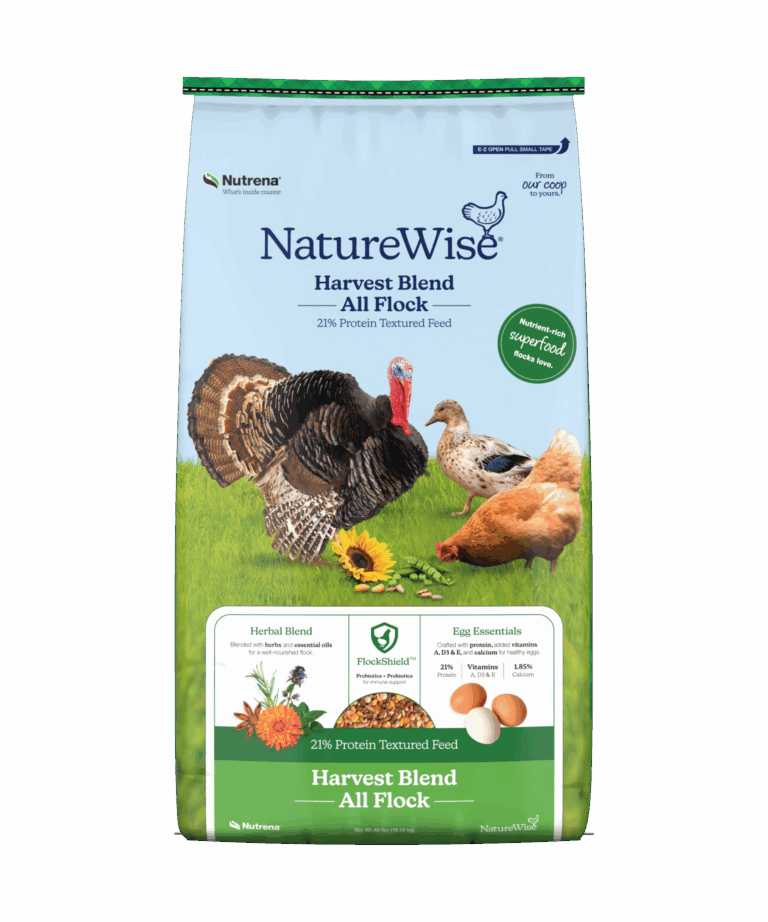
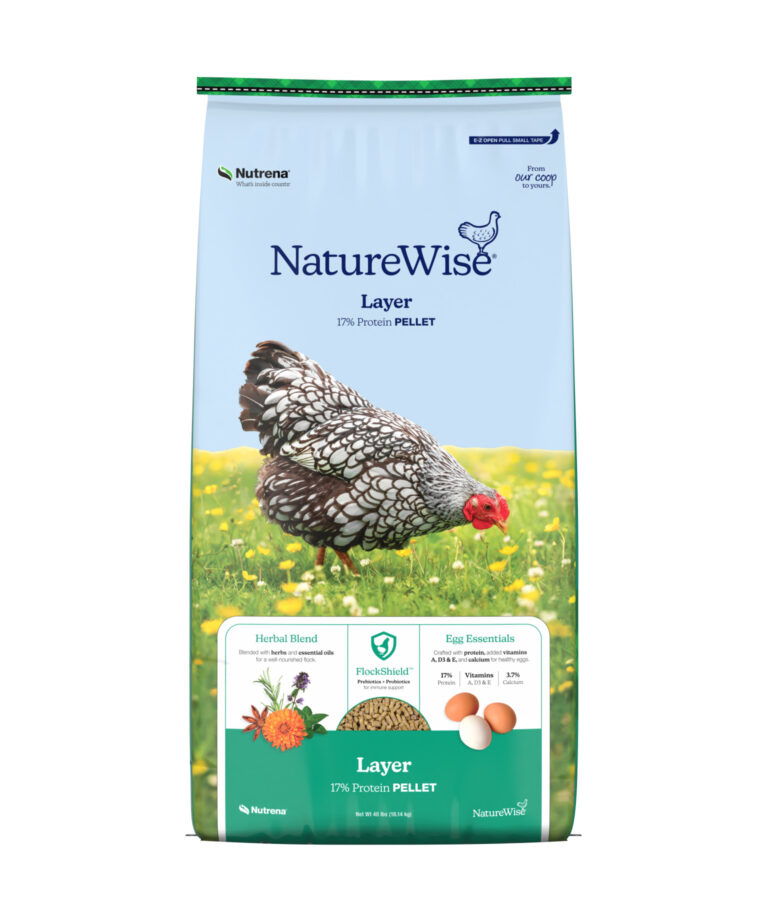
Nutrena NatureWise® poultry feeds provide balanced nutrition designed to support health growth and performance with technologies like FlockShield®.
Provide Clean, Fresh Water
Your Chickens should have access to clean, fresh water at all times.
Refresh water regularly and clean waterers routinely to help support overall health.
Keep Feeders and Waterers Clean
Good sanitation can help create a healthier environment for your flock and support consistent feed intake.
Limit Treats
Treats can be enjoyable for chickens and flock owners, but they should not replace complete nutrition.
Aim to make complete chicken feed the primary source of nutrients.
Store Feed Properly
Protect feed from moisture, pests, and contamination to maintain quality and freshness.
Practice Consistent Management
Monitor:
- Feed intake
- Water consumption
- Body condition
- Droppings
- Behavior
- Feather quality
- Egg production
Knowing what is normal for your flock makes it easier to identify changes early.
How Does Poultry Feed Support Gut Health?
Nutrition is an important part of supporting digestive health in poultry.
Complete poultry feed provides the nutrients your chickens need while helping maintain a healthy digestive environment.
Certain nutritional technologies may also support digestive health, including:
- Prebiotics
- Probiotics
- Postbiotics
- Yeast cultures
- Enzymes
- Organic acids
- Select plant-based ingredients
That’s why NatureWise poultry feed feature FlockShield technology.
FlockShield® combines prebiotics, probiotics, and postbiotics and is designed to support a balanced digestive environment, nutrient absorption, and everyday immune support in healthy flocks.
When you feed Nutrena® NatureWise®, you can be sure you’re providing more than essential nutrition. You’re feeding a complete poultry feed thoughtfully formulated to support digestive health and overall flock wellness.
When Should I Contact a Veterinarian?
Poor gut health is not a diagnosis. Digestive symptoms can result from nutrition, environmental stress, parasites, infectious disease, or other health challenges.
Contact a veterinarian if you observe:
- Persistent diarrhea
- Significant weight loss
- Blood in droppings
- Severe lethargy
- Major appetite changes
- Multiple sick birds
- Unexplained illness or death
A poultry health professional can help determine the underlying cause and recommend the most appropriate next steps.
Keep Gut Health on Your Flock Care Checklist
Healthy digestion supports your flock’s ability to absorb nutrients, maintain body condition, support egg production, and thrive throughout every life stage.
By monitoring droppings, appetite, growth, feather quality, behavior, and laying performance, you can identify changes early and make informed decisions about your flock’s care.
With consistent management, clean water, quality poultry feed, and attention to daily health indicators, you can help support the digestive health your chickens need to perform their best.