Winter Immunity for Chickens: How to Keep Your Flock Healthy All Season
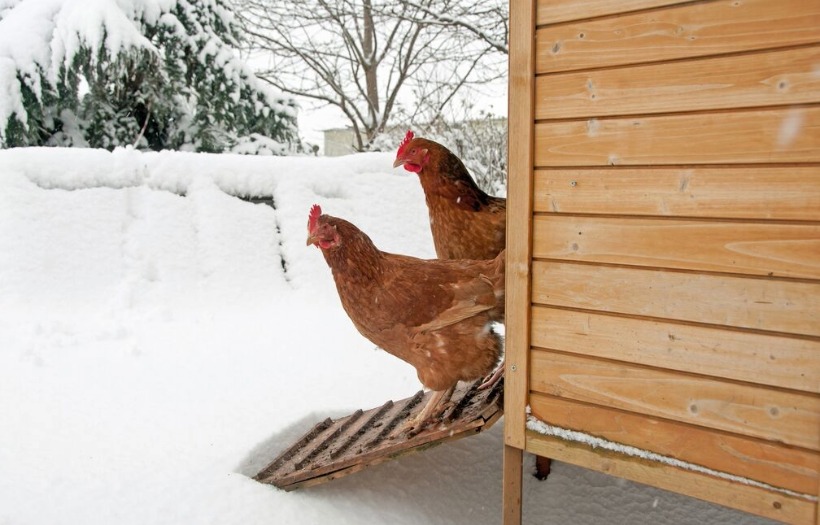
Winter brings short days, freezing temperatures, icy waterers, and new challenges for backyard chicken keepers. While chickens are remarkably resilient, cold weather changes their daily routines and nutritional needs. Preparing your flock for winter means more than keeping them warm. It also means supporting their overall health with proper nutrition, clean water, a comfortable coop, and consistent care.
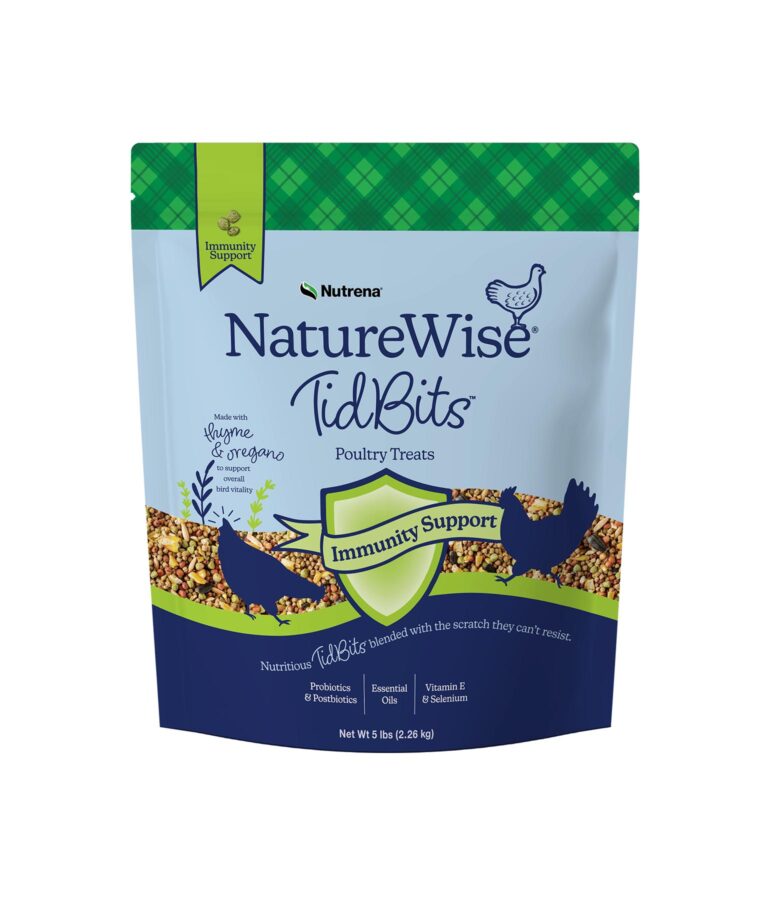
A strong approach to winter chicken care starts with the basics: provide a complete and balanced diet, reduce unnecessary stress, maintain a clean and dry living environment, and make sure fresh water is always available. Thoughtful additions to your flock’s routine, such as Nutrena® NatureWise® TidBits® Immunity Support Poultry Treats, can help support overall bird vitality and immune function as part of a balanced feeding program.
At Nutrena, we believe confidence starts with preparation. When you know your birds are receiving quality nutrition and consistent care, you can feel more certain they’re ready to take on winter’s challenges.
Whether you’re preparing for your first winter with chickens or looking for ways to improve your established flock’s cold-weather routine, a little preparation can make the season more manageable for you and your birds.
Why is Immunity Important for Chickens in the Winter?
Chickens naturally tolerate cold temperatures better than you may think. Their feathers provide insulation, and they fluff their plumage to trap warm air close to their bodies. However, winter conditions can create additional demands on their bodies.
When temperatures drop, chickens use more energy to maintain their body temperature. Shorter daylight hours can also affect egg production, while snow and frozen ground may limit access to natural foraging opportunities. At the same time, water can freeze, and damp or poorly ventilated coops can make cold-weather conditions more challenging.
These seasonal changes make consistent nutrition and good flock management especially important.
Supporting chicken immunity in winter begins with providing the nutrients birds need to maintain normal immune function, digestion, and overall vitality. It also involves limiting avoidable stressors, including drafts, excessive moisture, overcrowding, and inconsistent access to feed and water.
No single treat or supplement can replace good husbandry. Instead, the most effective winter routine combines daily care practices with nutrition designed to meet your flock’s needs.
How Can Nutrition Support Winter Immunity in Your Chickens?
One of the most important parts of winter chicken care is maintaining a consistent, nutritious feeding routine.
Chickens may eat more in cold weather because maintaining body heat requires additional energy. Even if egg production slows or stops, their nutritional needs do not disappear. In fact, providing appropriate nutrition throughout winter can help birds maintain body condition and enter spring in better shape.
Continue feeding a complete chicken feed formulated for your flock’s age and production stage. Layer hens, growing pullets, and mixed-aged flocks may have different nutritional requirements, so choose feed accordingly.
Avoid switching to a lower-quality ration simply because your hens are laying fewer eggs. Scratch grains and other treats can provide supplemental energy, but they should not replace a complete feed. Too many treats can dilute the balance of essential nutrients in the diet.
As a general guideline, keep supplemental treats and other non-complete feed ingredients to approximately 10% or less of the overall diet, following the guidance for your chosen feed.
Add Variety Without Compromising Nutrition
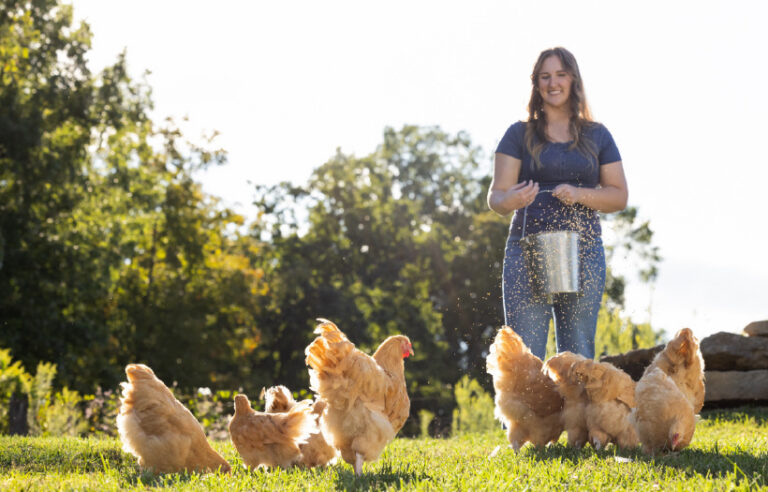
Winter can limit the opportunities chickens have to scratch through grass, soil, and other natural food sources. Treats can offer enrichment and encourage natural pecking behaviors while giving you another opportunity to interact with your flock.
NatureWise® TidBits® Immunity Support Poultry Treats are designed to complement your feeding program. Blended with the scratch chickens’ love, these treats provide a tasty way to incorporate ingredients and nutrients intended to support overall bird vitality and immune function.
The key is moderation. Treats should complement, not replace, the complete nutrition your flock relies on.
Support Chicken Immunity with Nutrena® NatureWise® TidBits®
When building a winter wellness routine, consider how targeted nutritional support can fit into your flock’s daily care.
Nutrena NatureWise TidBits Immunity Support Poultry Treats are formulated to support a strong immune system, optimal digestion, and nutrient absorption in healthy flocks. They combine familiar scratch-style ingredients with selected nutritional components that support overall bird vitality.
The formula includes:
- Probiotics: These beneficial microorganisms help support a healthy digestive environment. Healthy digestion plays an important role in how birds utilize nutrients from their diets.
- Postbiotics: These components, derived from microbial fermentation, are included to help support gut health and the body’s natural defenses.
- Vitamin E: The essential vitamin plays a role in normal immune function and helps protect cells from oxidative damage.
- Selenium: This essential trace mineral contributes to antioxidant defenses and normal immune function.
- Thyme, oregano, and other essential oils: These herbs and their associated compounds are included as part of the nutritional approach to supporting bird vitality.
Together, these carefully selected ingredients help support overall bird wellness as part of a balanced feeding program.
How Can I Prepare My Chicken Coop for Cold Weather?
A well-prepared coop helps reduce environmental stress and gives chickens a comfortable place to rest when winter weather arrives.
Start preparing in the fall, before freezing temperatures make repairs more difficult. Inspect the coop for gaps, damaged roofing, broken windows, and other areas that could allow wind-driven rain or snow inside.
Eliminate Drafts While Maintaining Ventilation
Cold drafts blowing directly across roosting birds can increase the risk of cold stress and frostbite, particularly on combs and wattles. Seal unwanted gaps around doors, windows, and wall joints to limit drafts.
However, sealing the coop does not mean eliminating ventilation.
Chickens release moisture through their breath and droppings. Without adequate airflow, moisture can accumulate inside the coop, contributing to damp bedding and unhealthy air quality. Maintain appropriate ventilation above the birds’ roosting level while preventing cold air from blowing directly onto them.
Keep Bedding Dry and the Coop Clean
Wet bedding and accumulated manure can make the coop uncomfortable and increase moisture levels. Remove soiled bedding as needed and replenish it with clean, dry material.
Check areas around waterers for spills and inspect the coop regularly for condensation.
A clean, dry environment is an important part of reducing avoidable stress and supporting overall flock health throughout winter.
Choose Heating Equipment Carefully
Healthy, cold-hardy adult chickens generally tolerate cold weather when they have appropriate shelter, dry conditions, adequate nutrition, and access to water. Supplemental heat is not automatically necessary.
In some regions, however, extreme cold may require additional precautions. If you use a heat source, select equipment designed for the setting, follow all safety instructions, and keep it away from combustible bedding and other flammable materials. In many situations, proper nutrition, dry bedding, draft management, and fresh water are more important than additional heat.
How Can I Protect My Flock from Winter Stressors?
Winter preparation extends beyond the coop, a few additional management practices can help you maintain a healthier environment.
Keep rodents under control. Spilled feed attracts mice and rats, which can contaminate feed and introduce disease risks. Store feed in sealed, rodent-resistant containers, clean up spills promptly, and close openings that allow pests to enter. Use traps only where chickens, children, and other animals cannot access them. Avoid rodenticides that could expose pets or wildlife to poisoning.
Provide appropriate grit. Snow and frozen ground may limit access to small stones chickens naturally consume. Make suitable poultry grit available to support the grinding of feed in the gizzard. Laying hens may also need an appropriate calcium source, depending on their diet and production stage.
Always have clean water available.
Monitor your birds daily. Check for signs of frostbite, injury, unusual droppings, respiratory problems, or changes in eating and drinking habits. Pay particular attention during severe weather and when introducing new birds.
Maintain good biosecurity. Limit unnecessary contact with other flocks, clean equipment, and avoid sharing contaminated footwear or tools between poultry areas. Keep wild birds away from feed and water whenever practical. These measures work together with proper nutrition to help reduce avoidable challenges during winter.
Why Choose TidBits® Immunity Support for Winter?
Winter is a time when consistency matters. A flock that receives balanced nutrition, clean water, and appropriate environmental care is better positioned to maintain its overall health through seasonal changes.
NatureWise TidBits Immunity Support Poultry Treats offer a convenient way to incorporate targeted nutritional ingredients into a familiar treat. They’re intended for birds older than seven weeks and should be fed alongside other nutrition sources to maintain a complete and balanced diet.
It’s one more way to support your flock while giving them a treat they’ll enjoy.
How Can I Help My Chickens Stay Active and Comfortable?
Snow and ice can discourage chickens from leaving their coop, reducing their opportunities to move around and engage in natural behaviors.
Whenever conditions allow, give your flock access to a safe outdoor area. Clear snow from part of the run or create a sheltered, dry space where birds can walk, scratch, and explore.
You can also provide environmental enrichment inside the coop or covered run. Scattering a small amount of an appropriate treat in a clean, dry area can encourage natural foraging behavior.
NatureWise® TidBits® Immunity Support Poultry Treats can be a useful addition to these activities. Their scratch-style blend makes treat time an opportunity for interaction and enrichment while incorporating ingredients selected to support bird vitality.
Just remember to keep portions moderate and avoid scattering treats where they may become wet, moldy, or accessible to rodents.
Watch your flock’s behavior throughout the season. Changes in appetite, activity, social interaction, or body condition may signal that something needs attention. Persistent or concerning symptoms warrant consultation with a poultry veterinarian.
How Does Winter Affect Egg Production in Laying Hens?
One of the most noticeable winter changes for backyard chicken keepers is a decline in egg production.
Shorter daylight hours influence the reproductive cycle of laying hens. As days become shorter, many birds lay fewer eggs or temporarily stop laying. Molting, age, breed, nutrition, and overall health can also influence production.
A slowdown in egg production is not necessarily a sign that your chickens are sick or that their diet needs to be replaced with scratch grains.
Continue providing a complete feed appropriate for your flock, along with fresh water and a comfortable environment. Monitor body condition and general behavior rather than judging flock health by egg numbers alone.
If you choose to provide supplemental lighting, research the needs of your flock and introduce lighting thoughtfully. Artificial lighting can affect reproductive activity and should not come at the expense of appropriate rest and management.
Remember, the goal of winter care is to maintain healthy birds, not simply to maximize the number of eggs collected during the coldest months.
Your Winter Wellness Checklist
Use this simple checklist to keep your flock’s winter routine on track:
- Provide complete, balanced poultry feed every day.
- Offer NatureWise TidBits Immunity Support Poultry Treats in moderation, following the feeding instructions.
- Check that clean, unfrozen water is always available
- Keep poultry grit accessible and provide calcium as appropriate.
- Seal coop drafts while maintaining adequate ventilation.
- Keep bedding dry and remove soiled material regularly.
- Inspect birds daily for changes in behavior, appetite, or condition.
- Protect feed from rodents, moisture, and contamination.
- Provide safe opportunities for movement and natural foraging.
- Prepare for extreme cold before severe weather arrives.
Small, consistent actions can make winter care easier and help you maintain a healthy flock through the season.
When winter weather arrives, consistency is your best tool. By combining quality nutrition, clean water, proper coop management, and thoughtful daily care, you can feel confident your flock is prepared for the season ahead.