Broody Hens 101: What You Need to Know
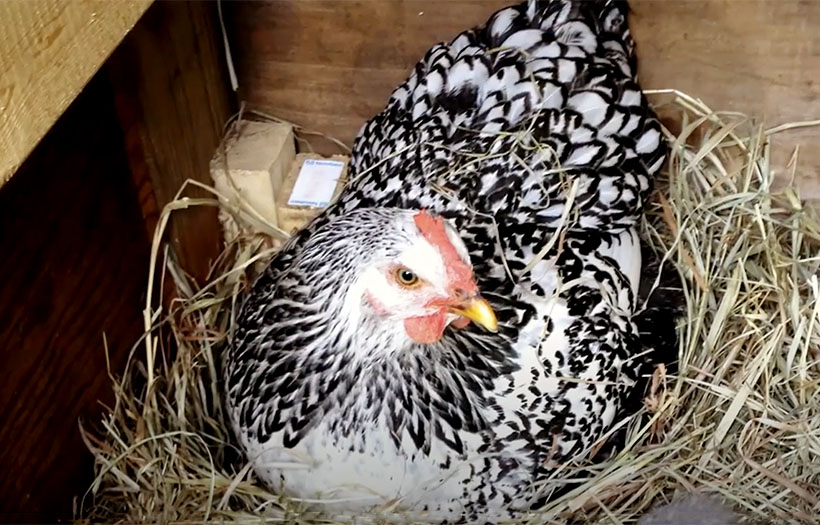
Although most people tout fresh eggs as the best reason for keeping a small flock of hens in the backyard, observing the behavior and personality of the birds has to come in a close second. Probably the most interesting hen to observe is a broody hen as she incubates eggs and raises her brood. Until the invention of incubators all chickens were hatched by broody hens, and managing them was an important poultry rearing skill.
Table of Contents
Key Takeaways
- Observing hen behavior, especially broody hens, ranks high alongside the benefits of fresh eggs for backyard chicken keepers.
- Broodiness in hens stops egg production, making it undesirable for commercial operations.
- Standard heavy breeds, like the Silkie Bantam, are more likely to go broody compared to egg production hybrids.
- A broody hen will sit on any eggs, even if they are not fertile, and cannot differentiate her eggs from others or even objects like golf balls.
- To break broodiness, methods include regularly removing the hen from her nest or isolating her in a dark environment.
Why Broodiness Is Undesirable in Commercial Operations
Because hens stop laying while they are sitting on eggs and raising chicks, broodiness is considered an undesirable trait in commercial egg operations. Breeds or strains of chickens that have had the broodiness almost completely bred out of them are used almost exclusively.
Which Breeds Are Most Likely to Go Broody?
Although a hen of virtually any chicken breed can go broody, few egg production hybrids and most white egg breeds rarely do. However, the standard heavy breeds favored by most backyard chicken raisers for their brown eggs sometimes do go broody. Broodiness is most common in late winter and spring but it can happen anytime. It is not possible to predict if an individual bird will go broody, and many won’t. It is important to note that there is nothing that you can do to make a hen go broody. It is a process based on the individual hen, her hormones and her environment. The most reliable broody breed is the Silkie Bantam, and some people raise them just so they have broody hens. This small hen doesn’t hesitate to sit on large eggs from full size breeds, and Silkies have even hatched giant goose eggs!
What Happens When a Hen Goes Broody?
When a hen goes broody she spends virtually all day and night sitting on eggs laid by other hens. Approach the nest to snatch eggs from under her and she’ll threaten and peck. Once she settles into serious incubation she enters a near trance-like state and sits constantly, keeping the eggs warm until the chicks start to hatch at day 21.
Broody hens can’t tell their own eggs from those of other birds. They’ll sit on anyone’s eggs and anything that looks like an egg…even golf balls! Hens raised without roosters can’t lay fertile eggs, but those hens may still go broody and sit on a clutch of eggs that has no possibility of hatching.
How to Break Broodiness When You Don’t Want It
There are times when you have a broody hen that you don’t want to be broody. At these times there are methods that you can try to help break the broodiness, which range from repeatedly removing the hen from the nest throughout the day to isolating the hen in a dark environment for several days to interrupt the mindset of broodiness.