Coop Odors: Why They Happen and How Nutrition Helps Reduce Smells
By Jennifer Murtoff, Home to Roost LLC
Sometimes your coop can get a little smelly, which can be a little embarrassing. What’s the scoop on coop odors, and how can you help your hens live their best lives by reducing odors in their home?
Table of Contents
Key Takeaways
- Ammonia is the main cause of coop odors, potentially harming chickens at low concentrations.
- To reduce odors, maintain a dry coop, improve ventilation, and regularly check bedding moisture.
- Using feeds with saponins and phytogens can enhance digestibility and reduce waste protein, minimizing odors.
- Nutrena NatureWise feeds contain natural ingredients that support nutrient absorption and control ammonia odor.
- Switch to new feeds gradually to ensure a comfortable transition for your hens.
What Causes Coop Odors?
Although chicken poop can be stinky, the most likely culprit for coop odors is the colorless gas ammonia. A combination of hydrogen and nitrogen, ammonia has a sharp, pungent smell, similar to vinegar.
Understanding Ammonia in the Coop
Chickens that are exposed to this gas can develop permanent damage to lungs and eyes and will avoid the coop if levels are too high. Ammonia can cause damage at very low concentrations, which are below the level that the human nose can detect. So, if your coop smells like ammonia, clean it immediately!
How to Fix a Smelly Coop
While cleaning is a quick solution, there are several longer-lasting measures you can take to eliminate odors and make your coop a more pleasant place for you and your birds.
Reduce Moisture to Reduce Odor
A dry coop will lead to happy, healthy hens. Moisture in the coop not only can contribute to ammonia odors, but also lead to conditions that favor parasites and bacteria.
Ventilation Tips for a Fresher Coop
To keep moisture low, use the following tips:
- Every few days check for and replace damp bedding.
- If you use the deep litter method, clean out the upper layers several times a year, keeping the lower layer, which contains helpful microbes that break down bedding and waste.
- Repair any leaks in the roof of your coop immediately.
- Turn the litter if your chickens don’t do so on their own.
- Add high-carbon materials that don’t pack easily (e.g., kiln-dried wood shavings), ground dolomitic limestone, or products containing zeolite.
- Provide good ventilation. An air-tight coop might sound like a good idea, but air circulation will help dry out litter and prevent odors.
How Nutrition Helps Control Odor
Your choice of feed can also reduce coop odors. Odor can be caused by waste protein from undigested feed. You can combat these smells by choosing feeds with the following plant extracts and essential oils:
What Are Saponins and How Do They Reduce Odor?
Additives called saponins, which include yucca, reduce ammonia production in a chicken’s body. As a result, they can increase the bird’s nutrient absorption and reduce the amount of proteins your chickens excrete.
How Phytogens Support Better Digestibility
Yucca is a phytogen, one of a number of plant-based compounds that are increasingly being used in animal feeds. Other phytogens include essential oils, herbs, and spices. These compounds work with yucca to reduce waste protein by increasing digestibility, balancing gut microflora, and reducing gut inflammation, again contributing to better use of feed.
Why Easily Digestible Proteins Matter
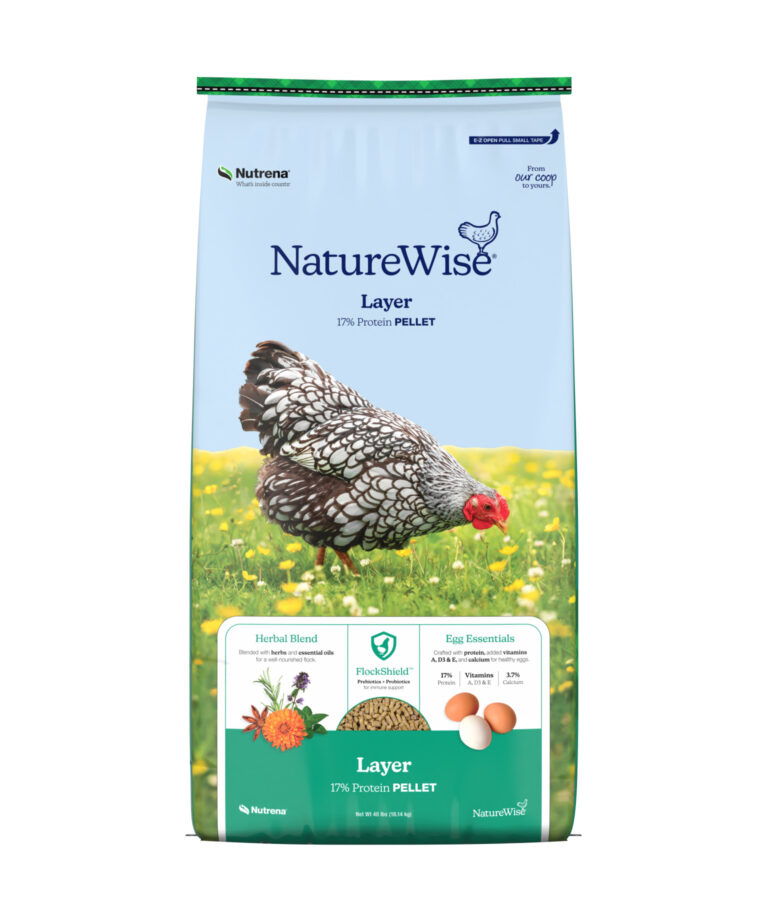
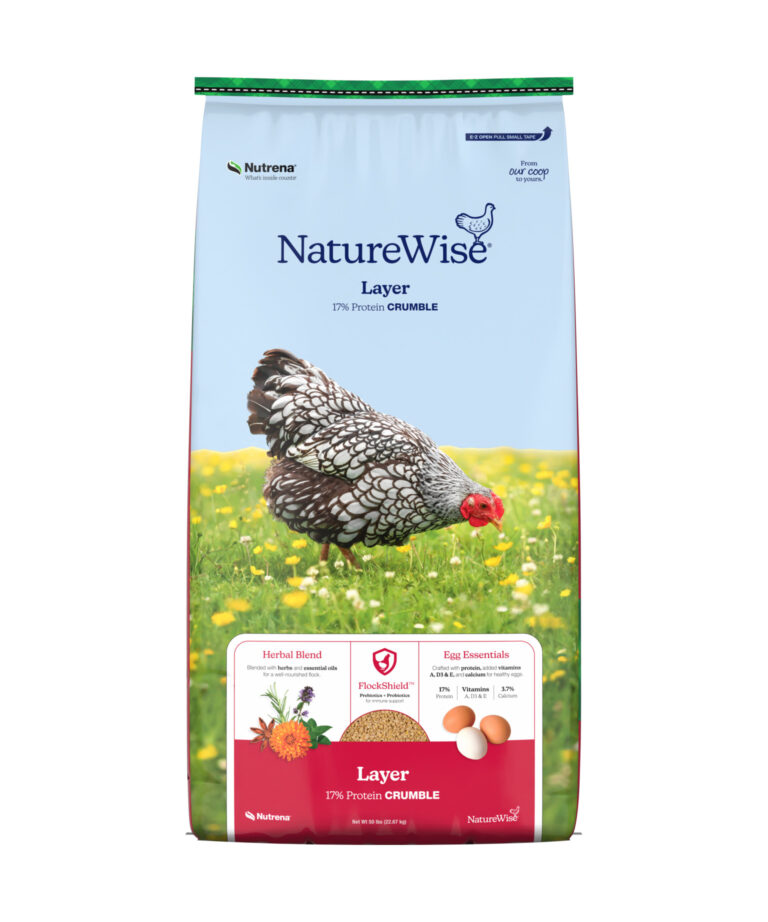
You can also choose feeds that are more easily digestible, such as processed feeds available in pellets or crumbles, rather than whole grains blends. Feeds that are lower in crude protein can also help reduce odors; however, remember that your laying hens need 16% crude protein to stay healthy.
Why NatureWise Is a Smart Choice for Odor Control
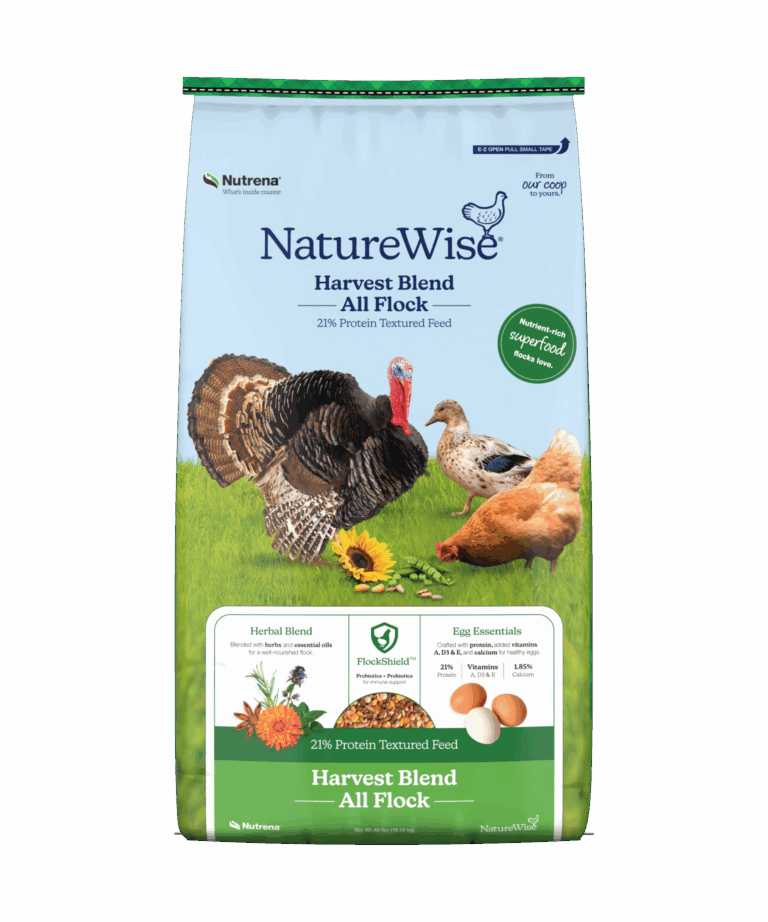
Nutrena NatureWise feeds can be part of your efforts to combat coop odors. NatureWise uses all-natural ingredients: essential oils, spices, bitter substances, and saponins that
- support healthy enzyme production,
- promote crude protein and nutrient absorption, and
- aid in the control of ammonia odor.
Remember that if you make a change to a new feed, switch slowly from your current feed to ease the transition, and help your birds feel more comfortable with the change.