Disease Prevention in Backyard Poultry
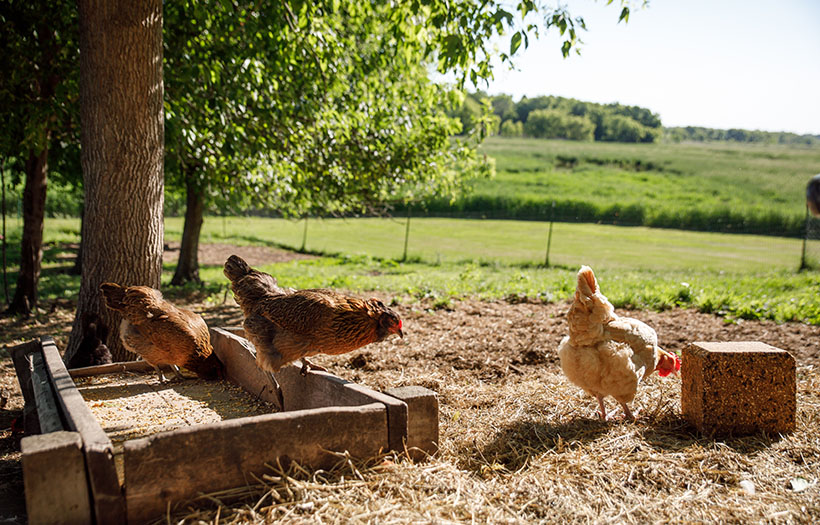
Keeping your flock healthy starts with daily care, clean housing and the right nutrition. While poultry diseases are not extremely common for most backyard keepers, understanding how to prevent them gives you confidence and helps your birds thrive throughout the year. Good management, sanitation and early detection all play an important role in supporting a long‑lived, productive flock.
Table of Contents
- Why Good Nutrition and Clean Water Matter
- How Ventilation and Litter Management Prevent Disease
- What Diseases Are Most Common in Backyard Poultry?
- How Medicated Chick Feed Helps Prevent Coccidiosis
- How Sanitation Helps Control Parasites
- Why Daily Flock Checks Are Essential
- When to Call Your Veterinarian or Local Feed Dealer
Key Takeaways
- Daily care, clean housing, and proper nutrition are essential for a healthy flock.
- Good nutrition and clean water help prevent disease and support strong immune systems.
- Ventilation and litter management play a crucial role in preventing disease by reducing moisture and improving air quality.
- Medicated chick feed can significantly reduce the risk of coccidiosis in young birds.
- Daily flock checks identify health issues early, allowing for quicker treatment and management.
Why Good Nutrition and Clean Water Matter
Nutritious feed and consistent access to fresh, clean water are essential to flock health. Birds that receive balanced poultry feed and hydration are better equipped to fight off disease and maintain strong immune systems. Proper housing also plays a major role by giving birds a safe, comfortable space to grow and stay active.
How Ventilation and Litter Management Prevent Disease
Moisture is one of the fastest ways to encourage harmful organisms inside a coop. Proper ventilation helps remove moisture buildup, improves air quality and reduces the spread of disease organisms.
Wet or caked litter should be removed as soon as it forms. Keeping the coop clean and dry creates a healthier environment and reduces conditions that parasites and bacteria thrive in.
What Diseases Are Most Common in Backyard Poultry?
For most backyard flocks, disease risk is low as long as birds do not come into contact with other flocks. The disease most commonly seen in young, unmedicated birds is coccidiosis, a parasite‑driven illness that can cause diarrhea, poor growth and sometimes mortality. Early detection and prevention greatly reduce the impact on the flock.
How Medicated Chick Feed Helps Prevent Coccidiosis
Medicated chick feed provides an important layer of protection for young birds that have not yet developed strong immunity. Offering a medicated feed during the brooding period can significantly reduce the risk of coccidiosis and support healthier growth. Your local feed dealer can help you select the right feed for your flock’s nutritional needs.
How Sanitation Helps Control Parasites
A rigid sanitation program is one of your strongest tools against internal and external parasites. Cleaning feeders, perches and the coop on a regular schedule reduces parasite pressure. If internal parasites do become a problem, treatment products are available through your feed dealer and can be used as directed to restore flock health.
Why Daily Flock Checks Are Essential
Checking your birds every day helps you identify disease or parasite issues early. Look for changes in behavior, droppings, feather condition, appetite or movement. Catching symptoms early means you can begin treatment sooner, which helps prevent disease from spreading.
When to Call Your Veterinarian or Local Feed Dealer
Your veterinarian is your best resource when you need help identifying or treating a health challenge. They can recommend treatment, testing or flock‑specific strategies.
Your local feed dealer can also guide you in choosing the right poultry feed to strengthen overall flock health, improve immunity and support recovery.