DIY Chicken Coop: Build Your Coop with Scrap Lumber
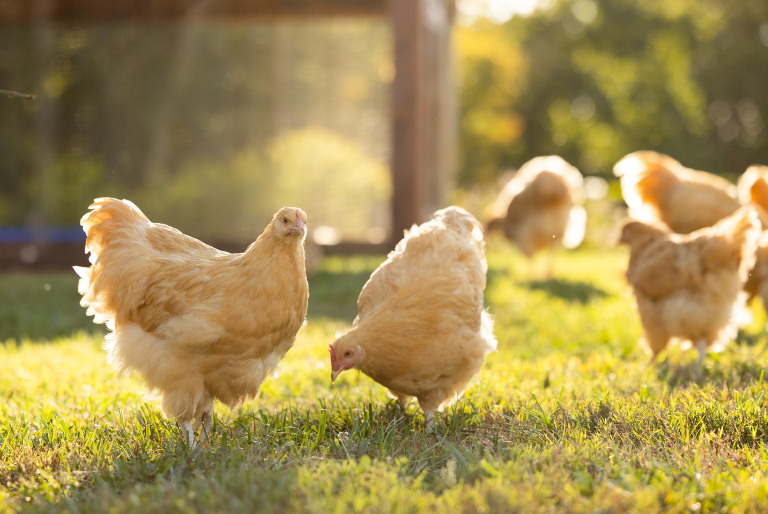
Backyard flock owners love to tinker, improve and make the coop more comfortable for their birds. Whether it is a pop hole door, a new roost, angled boards to keep birds from perching (and pooping) where they should not, or a simple stand for a waterer, scrap wood can be turned into almost anything a coop needs. Better yet, most of it can be free.
Building with reclaimed wood supports your budget, reduces waste and gives you the satisfaction of crafting something useful for your flock. With modest carpentry skills and a bit of creativity, you can build nearly everything from feeders to full small coops using lumber destined for the landfill.
Table of Contents
Key Takeaways
- Backyard flock owners can save money and reduce waste by using scrap wood for coop improvements.
- Free lumber can be found at construction sites, retail stores, and from pallets delivered to businesses.
- Pallets can be excellent building materials if you choose the right type and understand their markings.
- Deconstruct pallets carefully using tools like a claw hammer, pry bar, and a saw to create usable lumber.
- With reclaimed wood, you can build various coop projects like roosts, nesting boxes, and simple coops.
Finding Free Lumber
Plenty of quality wood is available for the asking. Construction sites, retail stores, industrial supply areas and pallet piles often produce clean, reusable wood fit for many coop projects.
Construction Sites
One of the first items to appear when a house is about to be built is a dumpster. Carpenters regularly toss lumber, insulation, and plywood into it to be hauled off to the landfill. Since everything in the dumpster is new wood it’s clean and often nail free. Sometimes even full sized 2x4s are tossed in the trash.
Visit the site when carpenters are working and ask if it’s ok to remove items. They’ll usually happily grant permission. After all anything that gets hauled off reduces the cost of disposal to the builder.
Stores
Motorcycles, tractors, generators and other heavy equipment often arrive in large wooden crates. Once employees unpack the product, the wood goes straight to the dumpster. Crate wood is normally new, though you may find a few nails.
A friendly ask is usually all it takes to get permission to haul it away.
Using Pallets to Build Your Coop
Businesses that ship heavy or large products burn through pallets daily. Many reuse them, but others pile them up and eventually pay to have them removed. These pallets make excellent coop building material if you choose wisely.
Understanding Pallet Markings
Most pallets used in global shipping display the IPPC logo along with treatment codes.
- HT means heat treated, safe for both humans and chickens.
- MB means methyl bromide treated and should be avoided.
- Skip pallets with unknown stains or chemical residue.
- Domestic pallets may be unmarked but are usually fine.
Types of Wood in Pallets
Pallets made from softwoods like pine or spruce are easy to cut and lightweight. Hardwoods like oak, ash or elm are heavier and extremely durable, making them perfect for coop floors or roost supports. Since hardwood lumber is expensive at retail, finding it for free is a major win.
It helps to be able to identify the species of wood used to make pallets. Usually they are fabricated from spruce or pine, which are soft, easy to work, and light in color. Other pallets are made from oak, ash, elm, or even exotic hardwoods. These often are darker in color than softwoods and are heavier and more durable. These woods are expensive to buy at the lumberyard but free from the pallet pile.
Deconstructing a Pallet
Scrap lumber from construction sites usually needs no extra prep. Pallets and crates, on the other hand, must be taken apart first.
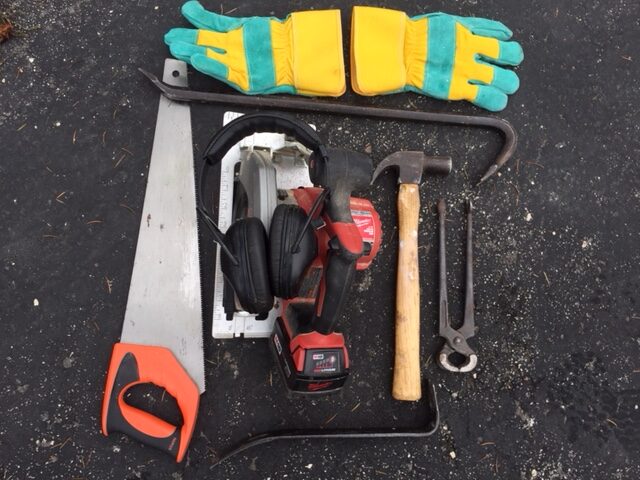
These tools are very helpful for deconstructing a pallet or crate:
- Claw hammer
- Pry bar
- Nail puller
- Pliers
- Saw (a cordless compact saw is handy)
- Leather gloves
- Hearing protection – Ear muffs or plugs
Special pallet‑breaking tools exist, but they are optional.
Methods for Deconstruction
Prying boards away from 2×4 runners is the classic approach. Work slowly to prevent splitting. If boards break, keep them for kindling. Always discard nails safely in a container.
A faster method is cutting boards free from the runners with a power saw. This saves time but yields shorter pieces.
For more pallet information and project ideas visit 1001pallets.com/pallet-safety/.
Turning Scrap Wood Into Coop Projects
Once the wood is gathered, denailed and stacked, the fun begins. With a pile of reclaimed lumber you can build:
- Roosts and roost ladders
- Nesting box frames
- Waterer and feeder stands
- Pop hole doors
- Windbreak panels
- Simple coops or grow out pens
Repurposing scrap lumber keeps materials out of the landfill and gives you a dependable, low cost path to improving flock comfort.