
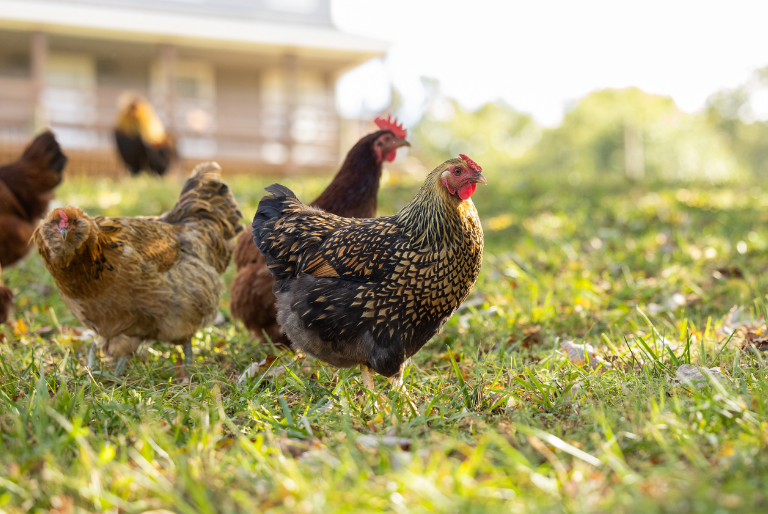
Poultry Feed for Molting
What is the best poultry feed for molting birds? Find out what ingredients set Nutrena® Feather Fixer feed apart from other poultry feed brands on the market and why we provide the best support feather growth during molt and egg production year-round.
FAQs About Molting
If you’re a poultry owner trying to understand the best diet to support feather growth, it’s important to read these frequently asked questions about ingredients, diet requirements, and what is guaranteed on your feed tag. In order to choose the best poultry feed for molting, you have to know what factors go into feather growth and maximum egg production.
-
What is molt and how does it impact egg production?
Molt is the natural cycle where birds lose feathers and gradually regrow their plumage. Molt usually occurs when the days start to shorten in late summer and it can go well into the fall season.
The feather shedding process can take as long as 16 weeks to completely cycle through and has the potential to greatly decrease egg production in your chickens. When chickens molt, a lot of the energy in their bodies is used to regrow feathers and less energy is available for egg production. Many chicken owners will see a huge drop off in the number of eggs they find in the nesting boxes this time of year.
However, there are a few potential shortcuts to reduce the impact of molt on your birds including a diet that supports feather growth.
-
How do you prepare your flock for molt?
We know that molt is a natural process, but what if we can help your birds prepare and get through the process faster or more easily? It turns out you can – here’s how:
- Start now. If you do not use supplemental light in your winter coop and your hens are 18 months or older, chances are good that one or all of your hens will experience molt in the coming months. Preparing for this transition now will help you stay ahead of the curve.
- Feed appropriately. Now is the time to dial up the protein and cut back on the treats. A higher level of protein is required in birds who are molting so that they can replace those protein-rich feathers. Treats like scratch and straight grains dilute protein content and should be avoided, or fed at no more than 10% of the birds’ total diet. NatureWise® Feather Fixer from Nutrena®is a feed designed specifically to help your birds get through molt quicker. It has elevated levels of protein as well as a mix of vitamins, minerals and amino acids that help maintain healthy skin and develop strong and beautiful new feathers. Start to feed Feather Fixer at least 30 days in advance of anticipated molting for maximum benefit to your birds.
- Clean the coop thoroughly. This is a great time to get you coop and run prepared for winter by giving everything a thorough cleaning and disinfection. Include nest boxes, perches and cracks and crevices in your cleaning plan. Having your facility as clean as possible will help reduce the bacteria and chance of infection for birds with bare skin due to molt.
- Check for creepy crawly critters. Because molting affects your birds’ feathers, it is important to make sure that molt is the only challenge that is presented for feather regrowth. Parasites like mites and lice will affect feather quality and will be an added stress on birds who are molting. Examine your flock and their housing for any parasites and treat accordingly, repeating treatment as necessary.
- Monitor aggressive flock mates. If you have a flock member that has had a history of being a bully or acting in an aggressive manner, you may want to take this opportunity to decide whether or not the bird should be kept in the flock or not. Tender, exposed skin and blood filled pin feathers can become prime targets for aggressive birds.
- Alert the neighbors. If you are in the habit of giving away or selling your eggs to neighbors, friends and family, you may want to alert them as soon as you see the drop in egg production that usually goes along with molt. They’ll appreciate being given a heads up that they’ll need to source their eggs elsewhere for a while.
-
What are the top tips for feeding through molt?
During molt, chickens typically stop laying eggs and use this time to build up their nutrient reserves. There are tips to help support your flock during molt, including:
- Feed a high protein feed like NatureWise Feather Fixer that is a complete feed, so you don’t have to worry about feeding other protein supplements to feed along with layer feed during molt.
- Make feed available free choice
- Limit scratch to 10% of diet during molt so you don’t dilute the protein content of the ration
- Molting and growing new feathers requires a lot of energy. Feathers are 85% protein… so be sure your birds’ diet includes a highly nutritious feed like NatureWise or Country Feeds that consists of at least 16% protein, or ideally, the higher protein NatureWise Feather Fixer. You don’t need to add medications or other vitamins if you’re feeding one of these feeds.
- Just as your chickens have individual personalities, they will go through molt differently as well. Some lose a few feathers and grow them back in as quickly as 3-4 weeks. Other chickens lose a lot of feathers and take 12-16 weeks to grow them back.
-
How does protein support feather growth?
Your birds need a high-quality diet with sufficient proteins (16% to 18%) and amino acids during molt. During the molt, you should eliminate scratch grains from their diet; this provides primarily calories with limited nutritional value.
The bulk of the necessary amino acids in feeds come from the protein in the feed; however, a quality feed will contain two additional essential amino acids.
- Lysine: The amino acid lysine is vital for overall growth, optimal digestion and use of feed, and balanced nutrition.
- Methionine: Methionine is necessary for the development of the digestive tract, overall growth, feather development, and immune system performance.
NOTE: It is also possible to have too much lysine/methionine in poultry diets, which leads the birds to eat less. Choose a commercial feed that is balanced to meet your flock’s needs.

Recommended Feed for Molting
-
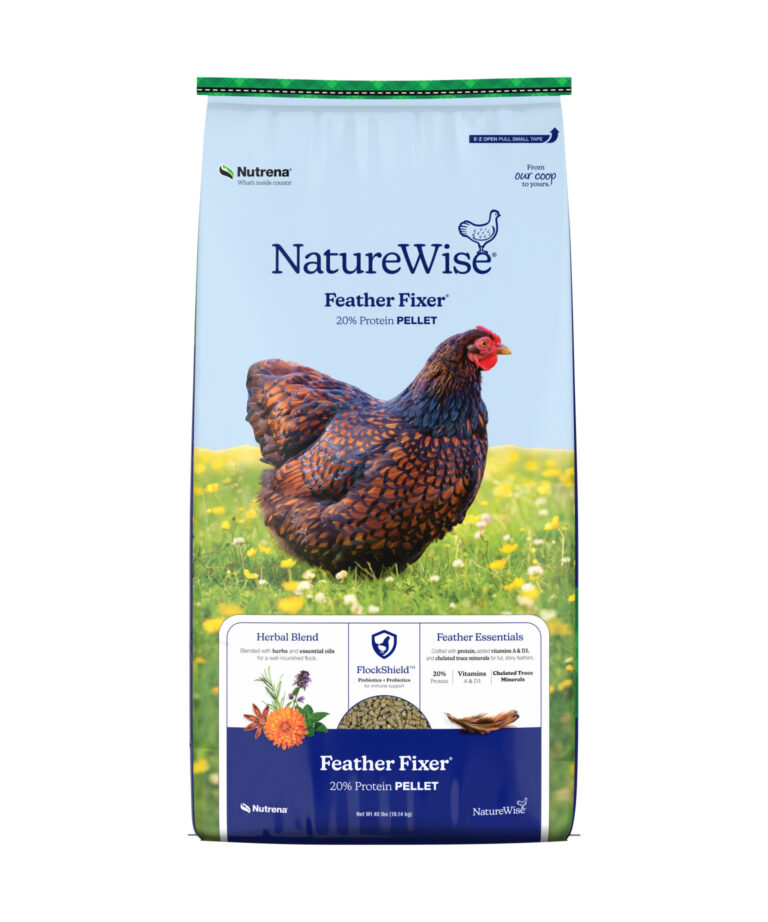 NatureWise
Feather Fixer 20% Protein Pellet
20.0% Crude Protein6.0% Max Crude Fiber4.0% Crude FatA 20% protein pellet for laying hens and mature roosters during molt or year-round for optimal feathering and brilliant plumage.Learn More -
 NatureWise
Harvest Blend 18% Protein Textured Layer Feed
18.0% Crude Protein6.0% Max Crude Fiber6.0% Crude FatA 18% protein Textured Layer Feed crafted with recognizable ingredients for chickens 16 weeks of age or at the onset of lay.Learn More -
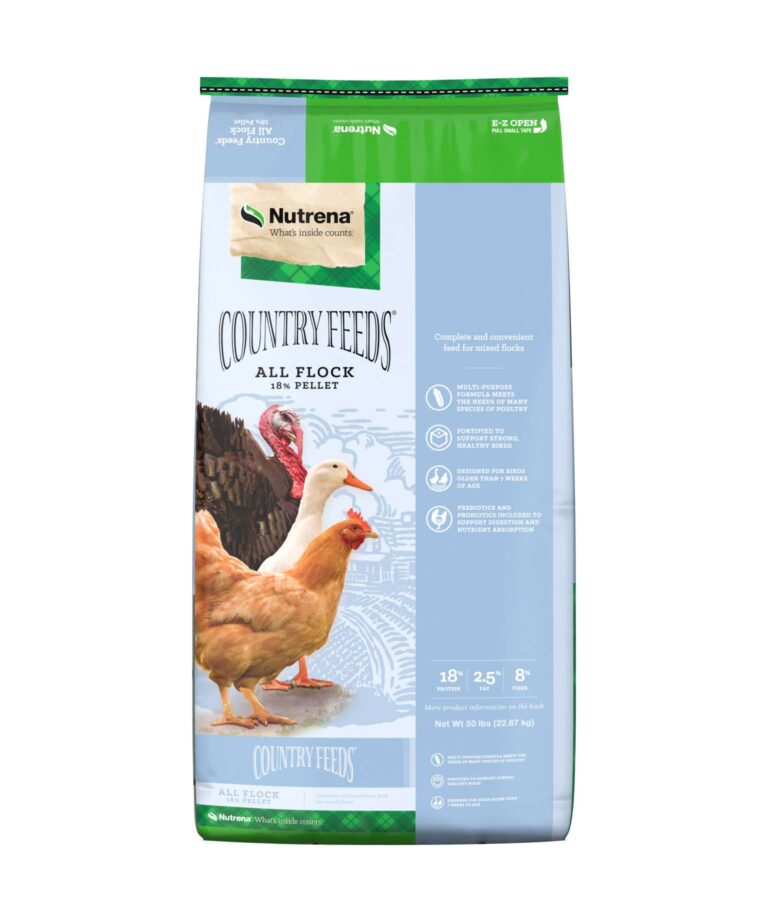 Country Feeds
All Flock Feed
18.0% Crude Protein7.0% Max Crude Fiber2.5% Crude FatMulti-purpose nutrition to keep your flock healthy and productive, with the added convenience of feeding from just one bagLearn More
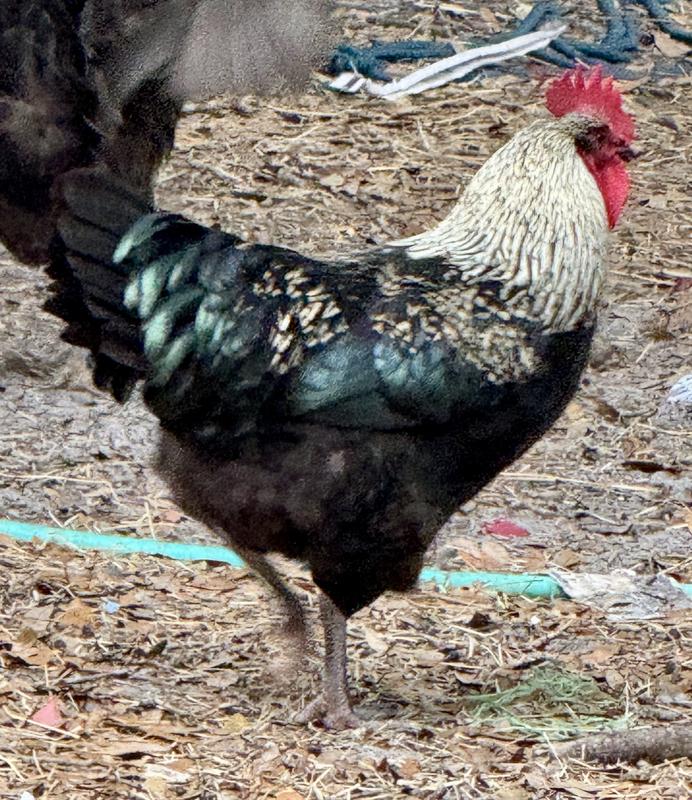
“I started feeding Nutrena NatureWise Feather Fixer 1 month ago… Since using the Feather Fixer, my hens are shinier and look healthier. Their feather are growing back in nicely. I also love the smell of NatureWise feed. It has a wonderful spice/herb smell with healthy ingredients.”*
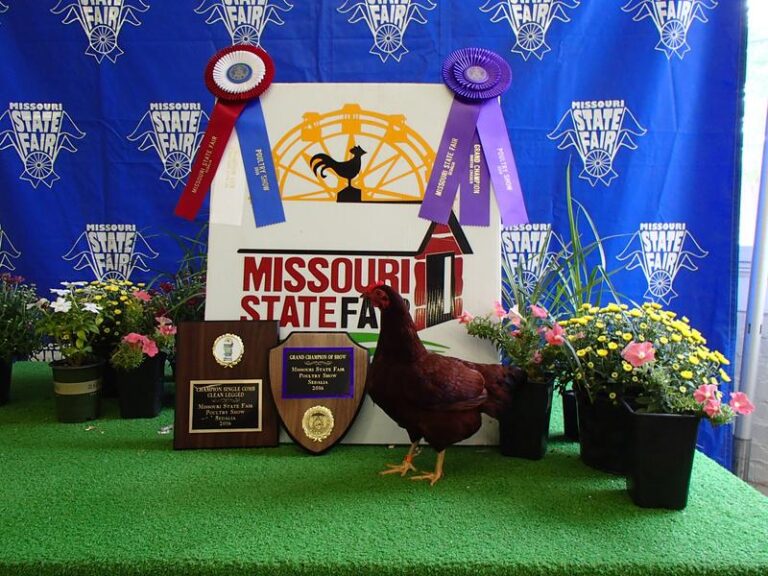
“In the 25+ years I’ve been raising exhibition poultry I’ve tried all kinds of feed. Here is what I have discovered… There is little to no waste, and the Feather Fixer does a great job getting the birds through molt… and ingredients needed to get their feathers in top condition.”*
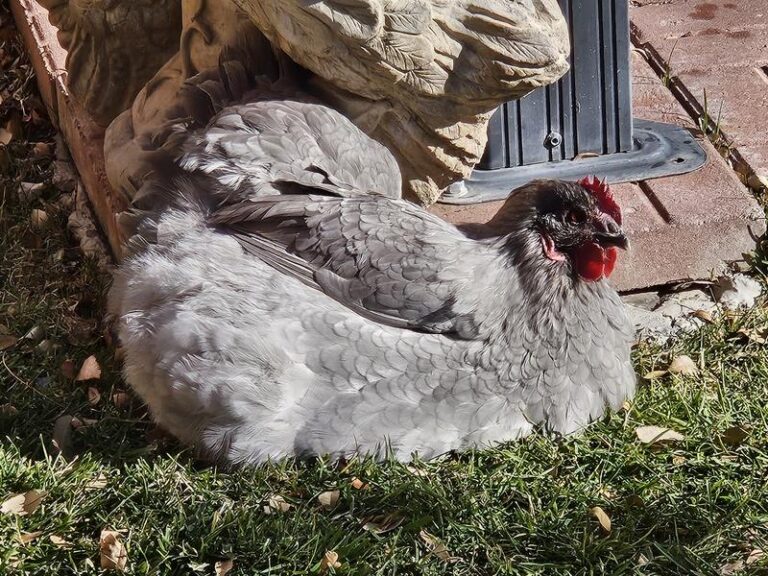
“Our poor ladies seem to suffer during molting. Our flock is mostly older but still lay. We tried F,eather Fixer and we’re absolutely amazed by the results. Fuller, higher quality feathers than they have ever had. Great product!”*
Exclusive Features in NatureWise Poultry Feed
-

Herbal Blend
We carefully craft our feeds with a unique blend of herbs and essential oils, ensuring your birds are nourished and beaming with a glow of good health.
-

FlockShield™
Formulated ingredients to supports a strong immune system, optimal digestion, and superior nutrient absorption in healthy flocks.
Molting Blog Articles
-
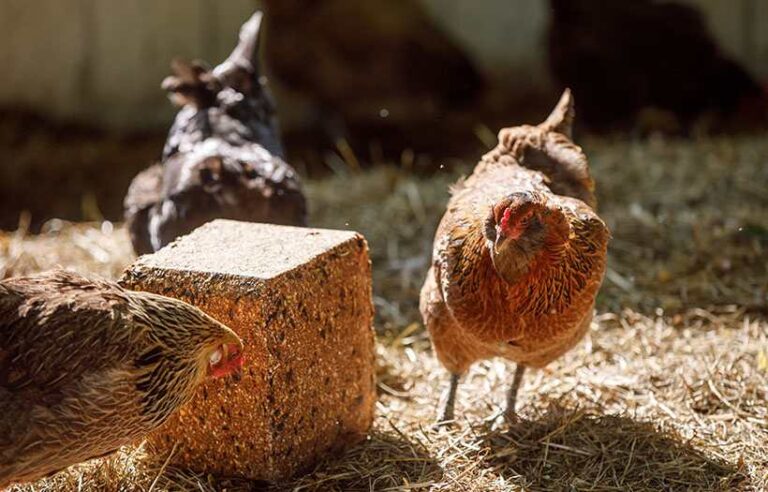
How to Prepare Your Flock for Molt
Ready or not, molt is coming… We know that molt is a natural process, but how can you help support feather growth?
View Blog -
Amino Acids: Helping Your Flock Through Molt
What are amino acids, and why are they also important for your chickens? Especially during molt.
View Blog -
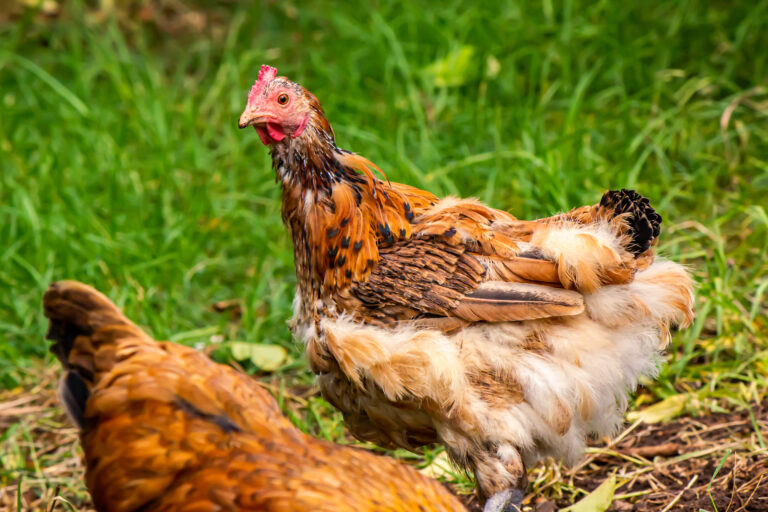
What are Some Reasons for Feather Picking?
Wondering why your chickens are picking each other’s feathers? There are several things that can cause feather picking.
View Blog -
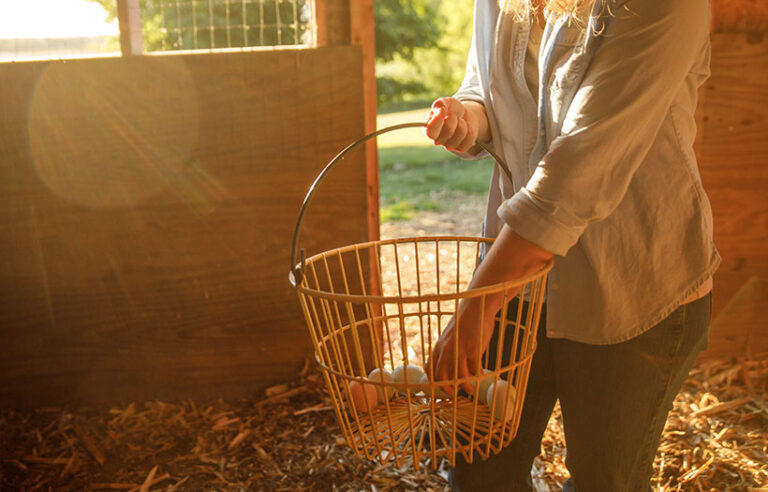
Decreased Egg Production In Chickens: Molt and Winter Lighting
There are a few potential shortcuts to reduce the impact of molt on your birds. Here’s how.
View Blog
*Review collected as part of incentivized campaign