Feeding Scratch Grains: Do’s and Don’ts
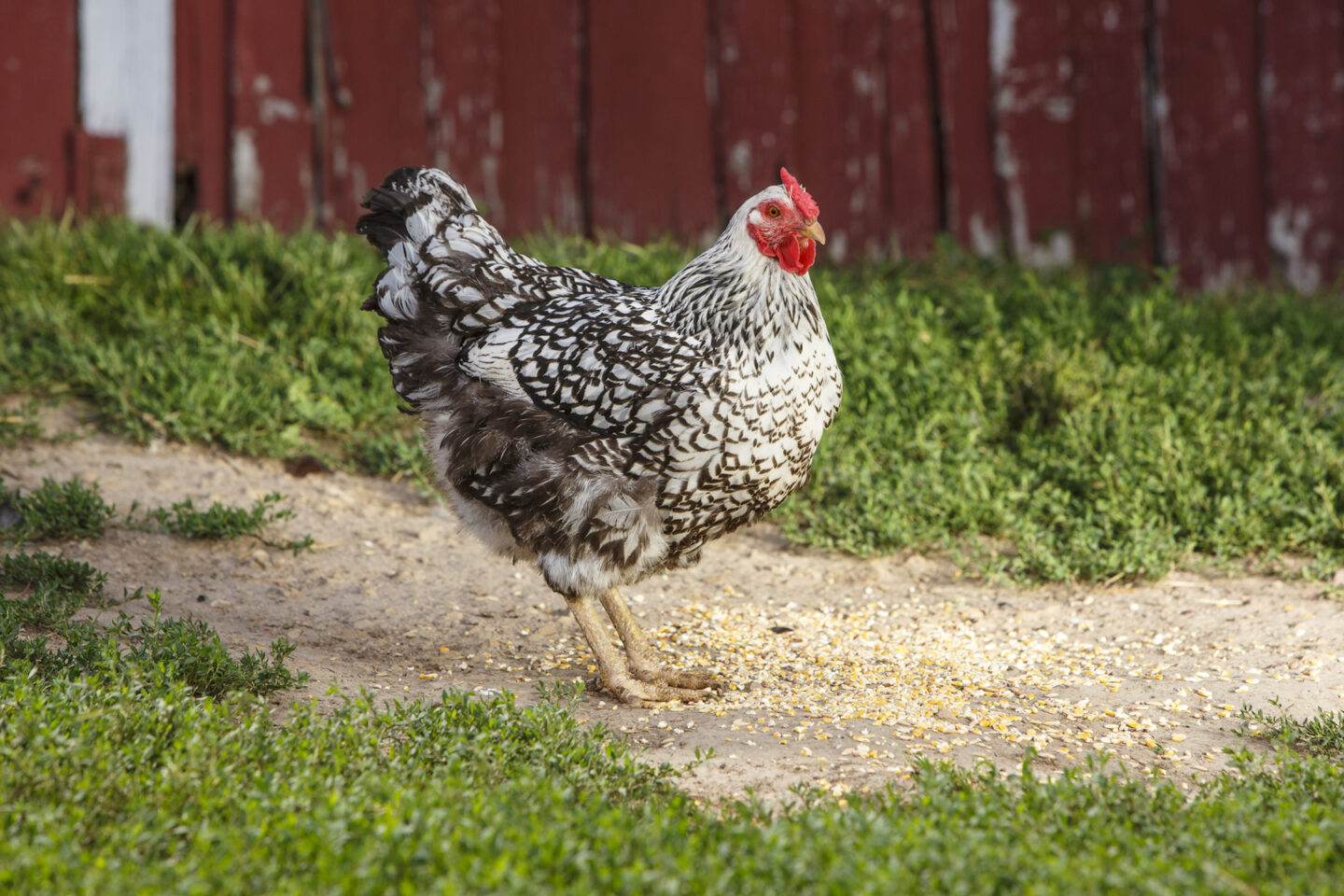
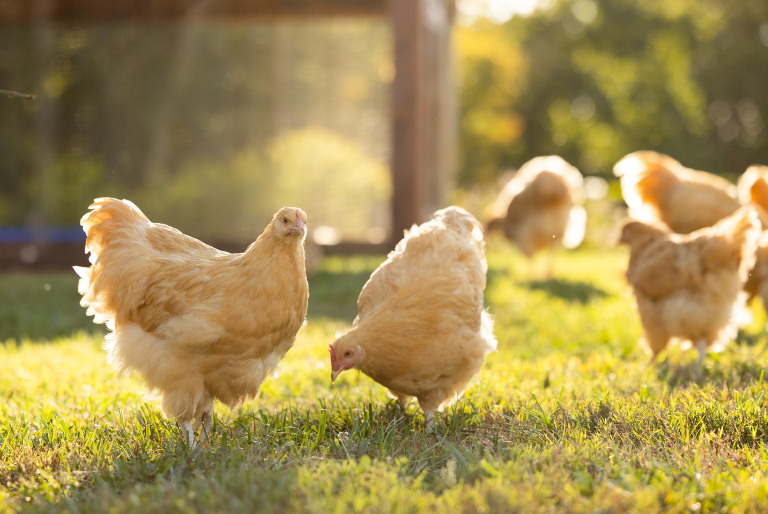
Scratch grains are a favorite treat for backyard flocks, but feeding them the wrong way can impact your chickens’ health and egg production. Here’s what you need to know before you scoop that next handful.
Table of Contents
Key Takeaways
- Scratch grains are a treat for chickens and should not replace their main feed.
- Chickens need grit to digest scratch grains; without it, they may become ill.
- Scratch is low in protein, so limit it to 10% of their diet to ensure egg production stays consistent.
- Use scratch grains as a treat or training tool, and always provide high-quality layer feed.
- Moderation is essential when feeding scratch grains to prevent nutritional imbalances.
Scratch Grains for Chickens: What They Are and How to Feed Them
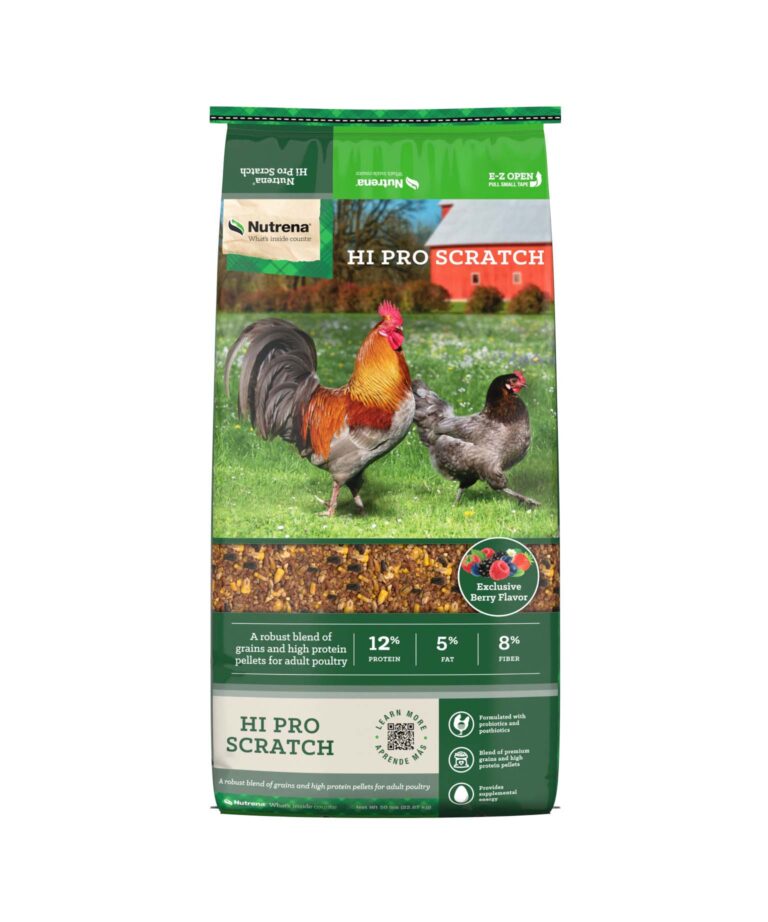
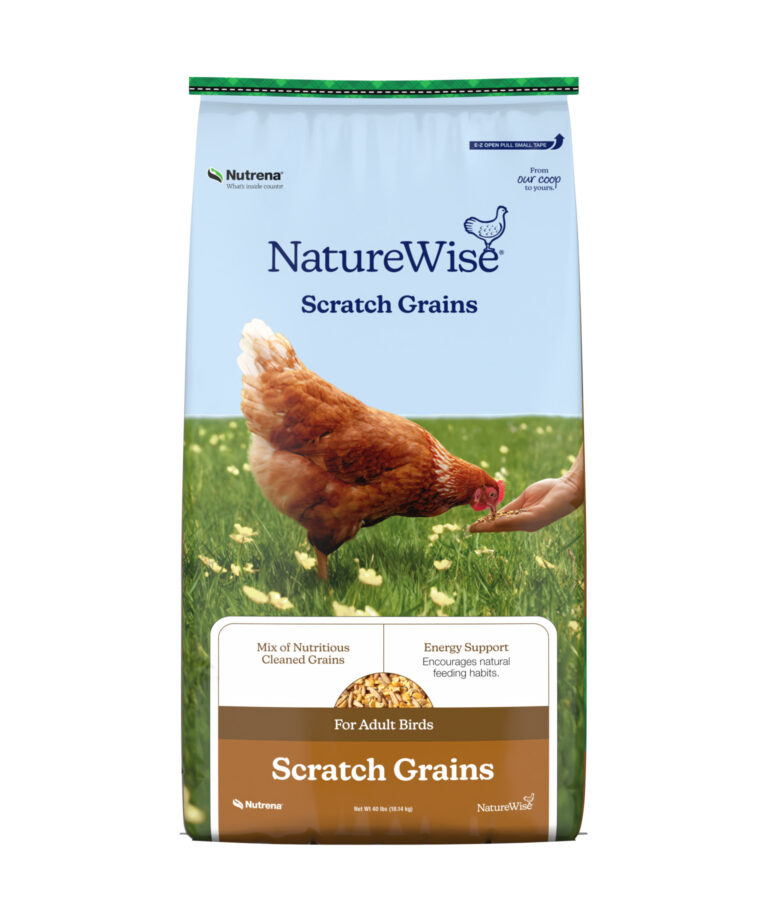
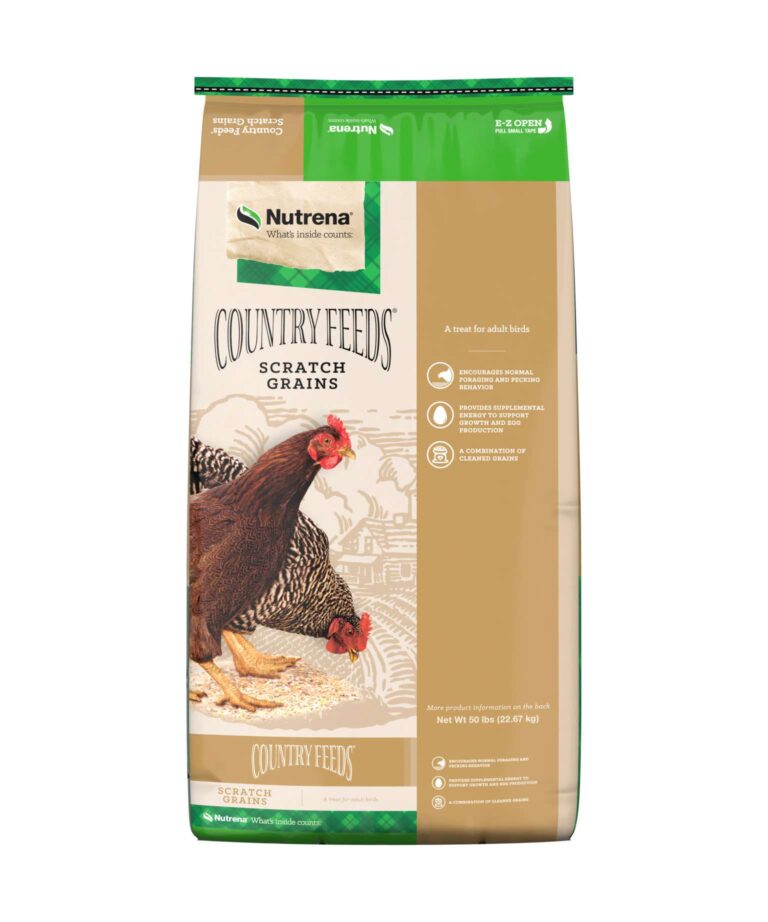
Scratch is a mix of grains like cracked corn, wheat, milo, and oats. The exact blend can vary by region, but the purpose is the same—it’s a treat, not a complete feed.
Do Chickens Need Grit with Scratch?
Yes. If your birds eat any grain mix, they need grit to help grind food in the gizzard. Pellets and crumbles don’t require grit, but scratch does. Without grit, digestion suffers and birds can become ill.
Why Scratch Should Be Limited
Scratch is low in protein—around 9–10%. Laying hens need at least 16% protein for consistent egg production. Too much scratch can lead to:
- Lower egg output
- Longer molt recovery times
Rule of thumb: Scratch should make up no more than 10% of the diet or what they can finish in about 10 minutes.
Best Practices for Feeding Scratch
- Use scratch as a treat or training tool, not a main feed.
- Offer grit alongside scratch for proper digestion.
- Keep high-quality layer feed available at all times.
- Avoid overfeeding to prevent nutritional imbalances.
Scratch is like candy—your chickens love it, but moderation is key.