
Food for Cats & Kittens
FAQs About Cat & Kitten Food
What makes a cat and kitten food great? If you’re a pet owner that’s trying to find the best food for your cat and/or kitten, it’s important to read these frequently asked questions about ingredients, diet requirements, and what is guaranteed on your pet food label. In order to choose the best food for your cats, you have to know what factors go into cat and kitten health and how to compare different products on the market.
-
How do I know if my cat is getting the right nutrients?
A well-balanced diet should support your cat’s energy levels, coat condition, digestion, and overall health. Look for signs like a shiny coat, healthy weight, regular bowel movements, and playful behavior. If you’re unsure, check the food label for AAFCO (Association of American Feed Control Officials) statement, which ensures the food meets nutritional standards. All Nutrena Loyall Life Cat & Kitten foods meet these nutritional standards. Your veterinarian can also help assess your cat’s diet and recommend adjustments if you have specific concerns.
-
Should I leave food out for my cat all day?
This depends on your cat’s eating habits and the type of food. Free-feeding (leaving dry food out) can work for cats who self-regulate, but it may lead to overeating and weight gain in others. Scheduled feeding times help monitor intake and support a healthy weight, especially for indoor cats.
-
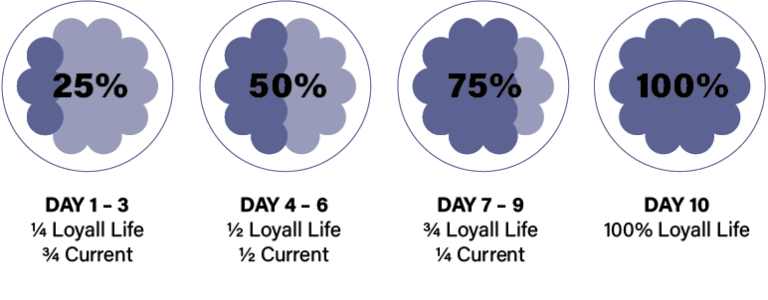
How do I transition my cat to a new food?
Start by mixing a small amount of the new food with your cat’s current food. Gradually increase the new food over 7–10 days while decreasing the old food. This slow transition helps prevent digestive issues and gives your cat time to adjust to the new taste and texture.
-
What’s the best way to store cat food to keep it fresh?
Regardless of the best by date, once a bag of dry food is open it will begin to degrade. The bag should be stored in a cool, dry place at less than 100°F to decrease damage to vitamins and oxidation of fats. Dry food should always be stored in the original bag. These bags are specially designed to protect the contents. The bag can then either be stored by neatly folding the top of the bag and clipping it closed and keeping it somewhere your cat cannot get to it, or it can be stored in another container. If you are going to store dry food in a container, the food should still be kept in the original bag. This will serve as added freshness protection, plus you will always have the best by date available in the event you should need to refer to it. Food should always be stored up off the floor to help protect it from insect contamination and small critters.
-
Is grain-free food better for my cat?
Not necessarily. Grain-free diets are popular, but grains like rice and barley can be part of a balanced feline diet. What matters most is the overall nutritional profile. Cats are obligate carnivores, so high-quality animal protein should be the main ingredient. All Nutrena Loyall Life Cat & Kitten recipes feature real meat as the #1 ingredient.
Save $10 with our Pet Food Trial
Recommended Cat & Kitten Food
-
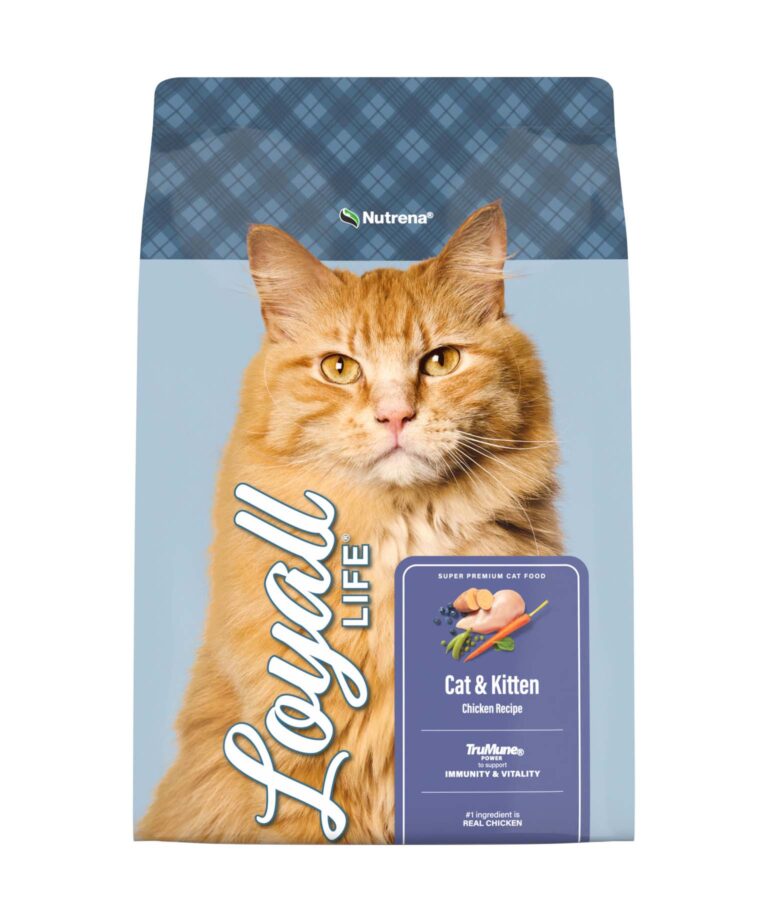 Loyall Life
Cat & Kitten Chicken Recipe
32.0% Protein14.0% Fat342 KCal/CupSuperior nutrition that’s healthy and specially crafted for cats of every ageLearn More -
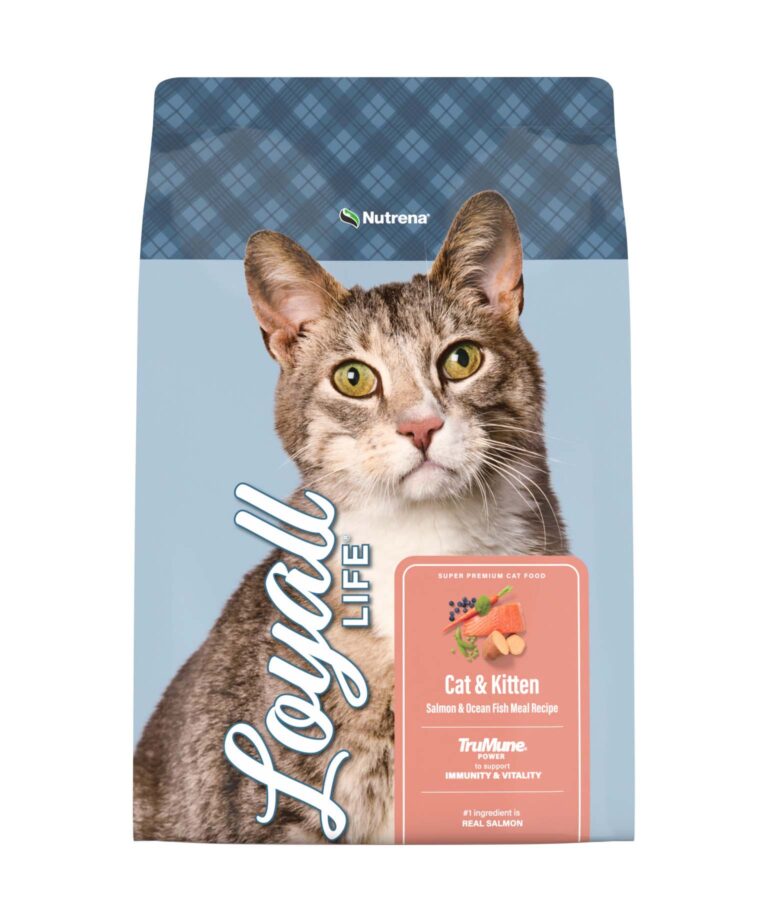 Loyall Life
Cat & Kitten Salmon & Ocean Fish Recipe
31.0% Protein12.0% Fat333 KCal/CupA nutritious, salmon-based diet that your cats and kittens will loveLearn More
“My cats love this food and they look fantastic on it! After 3 months all my cats refuse to eat anything but!”*

“She loves it. She stays at a great weight and has very minimal shedding.”
“My little cat loves the Loyall Life cat food by Nutrena.”*

TruMune® Power
Technology Formulated to Promote Your Pet’s Best
Just like us, pets need nutritious meals to promote great well-being. Whether it’s keeping watch, following you through the fields, or snuggling up with you at the end of the day, you want the best for them and their needs.
With TruMune®, you can unleash the superpowers of postbiotics in your pet food and keep them healthy from nose to tail. You can ensure your favorite family member is at their happy and healthy best by choosing the Nutrena pet food that’s right for them.
Cat & Kitten Blog Articles
-
How to Meet Your Cat and Kitten’s Nutritional Needs
Cats require a specialized diet to help them tackle their many daily adventures. Depending on age and where they spend their time, there are a few things to keep in mind when feeding your feline.
View Blog -
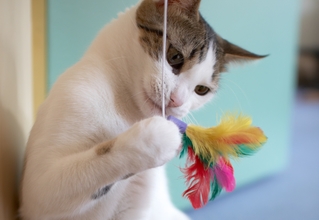
Creating a fun and Indoor Environment for Cats
Indoor cats may seem content lounging around, but a lack of environmental stimulation can lead to serious behavioral and health issues. This blog explores how creating a “mini zoo” at home with toys, hiding spots, and sensory enrichment can transform your cat’s well-being. Discover simple, creative ways to keep your feline happy, healthy, and stress-free.
View Blog -

A Lifetime of Nourishment Starts with a Promise
Our loyal pets deserve nothing less than the best. That’s why we’ve carefully crafted every Loyall Life recipe using only wholesome, hardworking ingredients. But how big of an impact does each ingredient make on your best friend’s overall health?
View Blog -
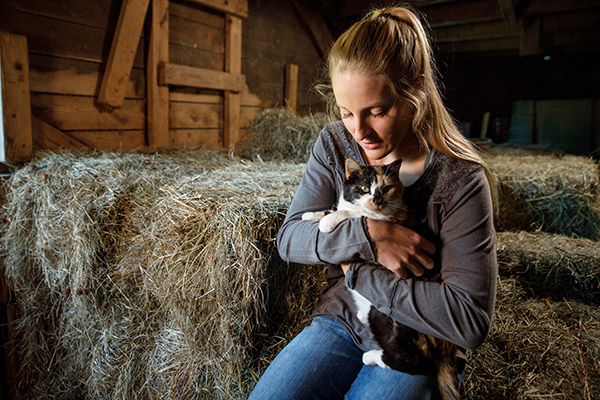
Kitten Socialization
Socialization periods for kittens are as important as they are for puppies. Kittens that miss out on socialization frequently develop behavior problems such as play aggression, inappropriate play behavior and fear aggression.
View Blog
*Review collected as part of incentivized campaign