How a Hen Makes an Egg: The Laying Cycle Explained
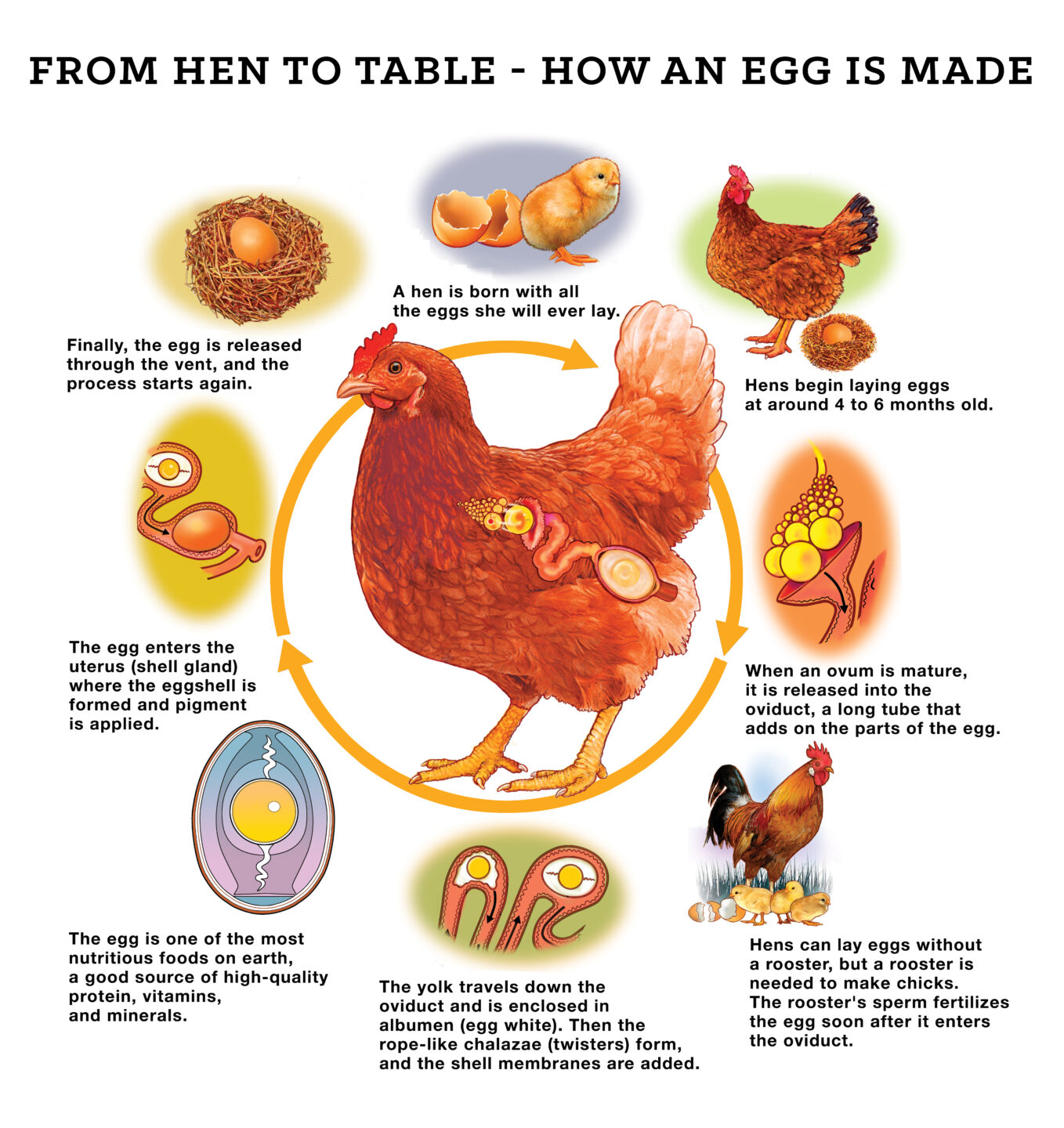
The laying cycle is one of the most fascinating processes in poultry care. While your infographic shows the steps visually, here’s a deeper look at what happens inside your hen’s body and how you can support her during this cycle.
Table of Contents
Key Takeaways
- The laying cycle begins with the ovary, where ova mature before entering the oviduct.
- Fertilization occurs if a rooster is present, followed by the formation of egg white, chalazae, membranes, and the hard shell.
- The entire egg-laying process takes about 25 hours, with hens starting to lay between 16 and 24 weeks of age.
- Peak productivity occurs between 18 months and 2 years, with a decline of about 10% per year after age two.
- Support your hen by switching to layer feed, offering oyster shell, and providing fresh water in a stress-free environment.
Where It All Begins: The Ovary
An egg starts in the ovary, located high in the hen’s body near the spine. The ovary looks like a cluster of grapes, with some ova (developing eggs) larger than others. As an ovum matures, it’s released into the reproductive tract, called the oviduct.
Fertilization and Formation
If there’s a rooster in the flock, fertilization occurs shortly after the ovum enters the oviduct. From there, the egg begins its transformation:
- Egg white (albumen) forms first.
- Chalazae, the “twisters” that keep the yolk centered, are added.
- Membranes develop to protect the contents. Finally, the shell gland secretes calcium to create the hard outer shell.
Timing and Productivity
The entire process takes about 25 hours. Most hens start laying between 16 and 24 weeks of age, reaching peak productivity between 18 months and 2 years. After age two, egg output decreases by about 10% per year, but hens can continue laying for many years.
Supporting Your Hen During the Laying Cycle
Producing eggs requires significant energy and nutrients. Here’s how to help:
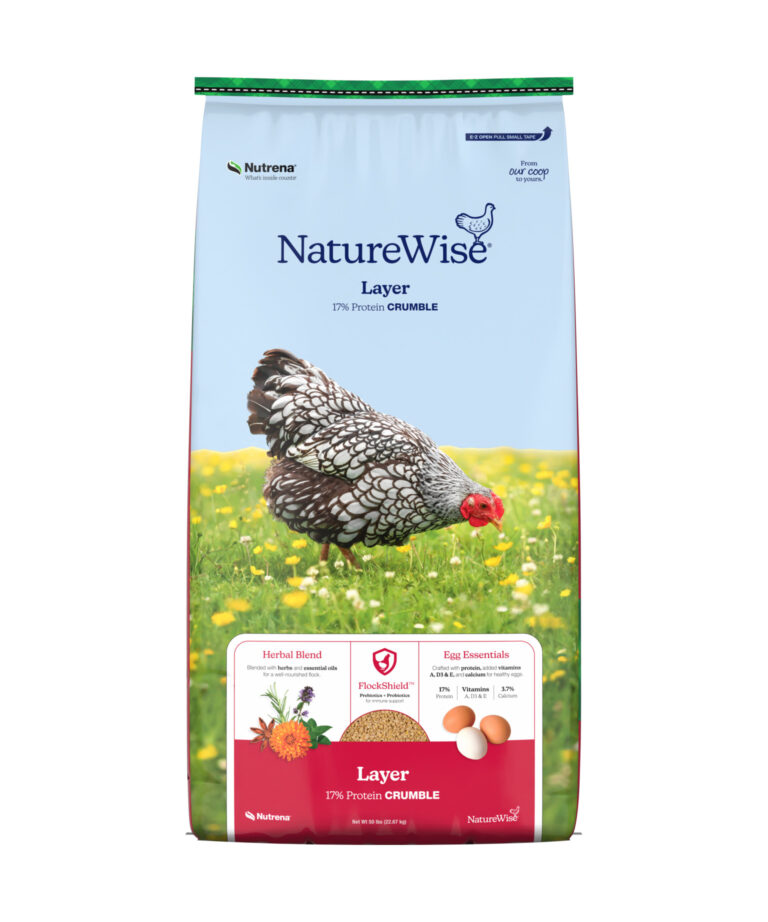
- Switch to layer feed at 16 weeks for balanced protein and calcium.
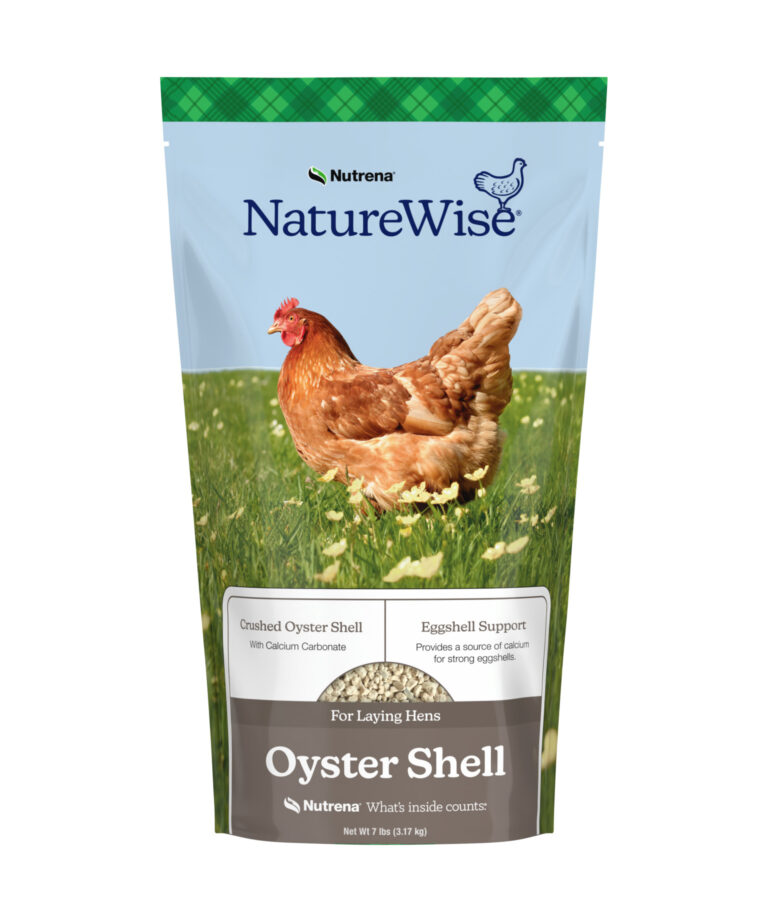
- Offer oyster shell free-choice to strengthen eggshells.
- Provide fresh water and a stress-free environment to maintain consistent laying.