Internal Layers and Peritonitis in Laying Hens
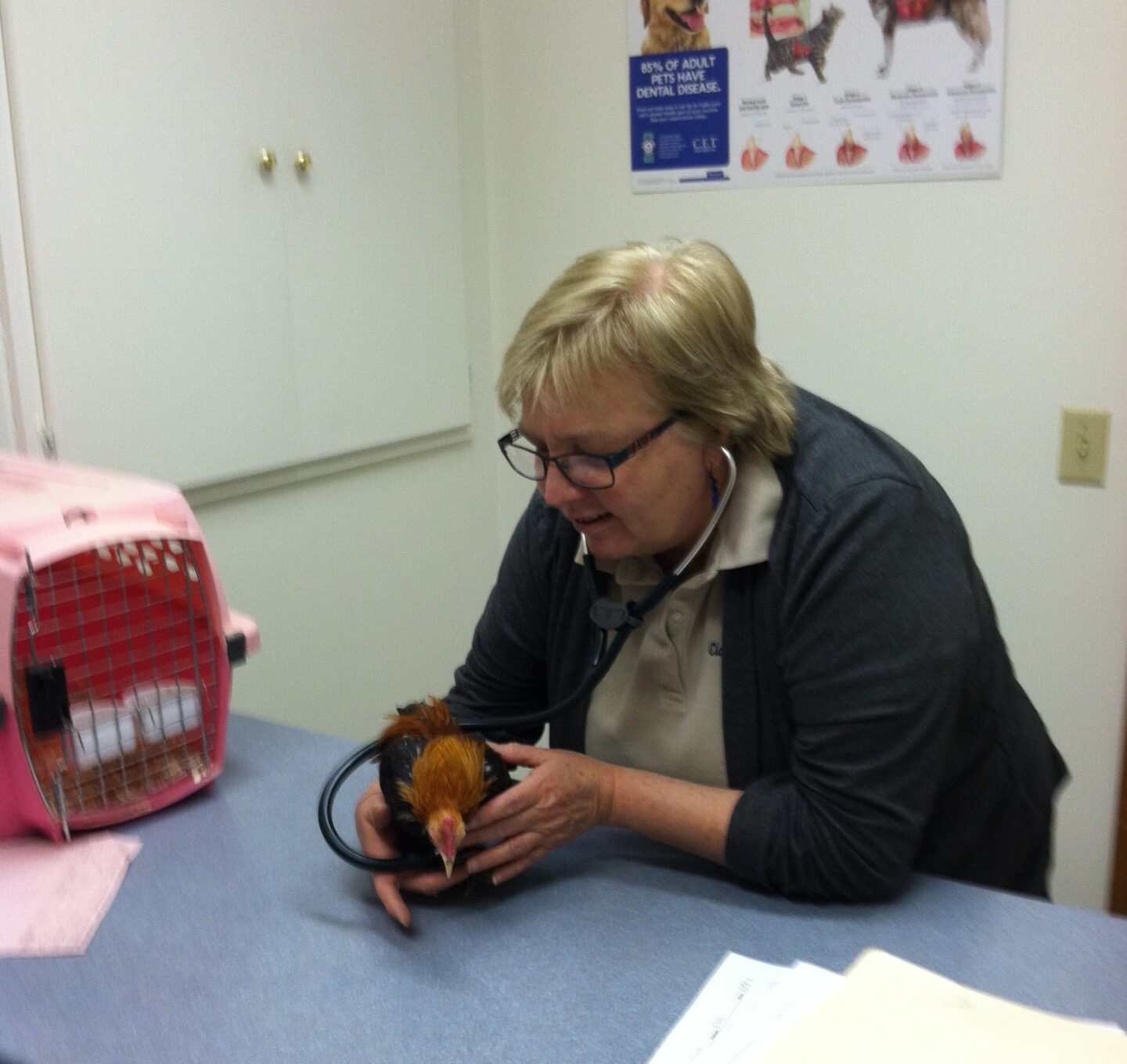
Similar to egg binding, Peritonitis (an indicator of internal laying), is a distressing issue that can occur with laying hens.
Table of Contents
Key Takeaways
- Internal laying occurs when an egg yolk deposits in a hen’s abdomen rather than in the oviduct, potentially leading to peritonitis.
- Peritonitis happens when bacteria grow in retained yolks, creating a severe infection that can cause discomfort and life-threatening issues.
- Signs of internal laying and peritonitis include yolk-colored feces, weakness, respiratory distress, and a swollen abdomen.
- Treatment options include stopping ovulation through spaying or hormone implants, with antibiotics helping if the infection is caught early.
- Always consult an avian veterinarian if you suspect internal laying or peritonitis in your chickens.
What is Internal Laying?
Internal laying happens when the yolk of an egg is deposited in the hen’s abdomen instead of traveling through the oviduct. This can occur due to genetics, infection, or trauma to the oviduct, such as a thin-shelled egg breaking inside the bird.
Sometimes, internal laying resolves on its own. If no bacteria are present, the yolk may be absorbed without complications. Problems arise when bacteria invade or multiple yolks accumulate, creating pressure on internal organs and leading to infection.
Why Does Peritonitis Occur?
Peritonitis is a serious infection that develops when bacteria grow in retained yolks inside the abdomen. Egg yolk is a rich medium for bacteria, and when eggs build up internally, the risk of infection skyrockets. This condition can cause severe discomfort and even life-threatening complications.
Signs of Internal Laying and Peritonitis in Chickens
Symptoms of an internal layer with peritonitis can include:
- Yolk-colored feces
- Weakness or Loss of appetite
- Lethargy or depression
- Swollen, spongy vent area or abdomen
- Respiratory distress
- Fluffed feathers
- Penguin stance or abnormal waddle
How to Treat and Prevent Internal Laying and Peritonitis in Chickens
If detected early, steps can be taken to stop ovulation, such as spaying or hormone implants. Unfortunately, many cases are advanced by the time symptoms appear. Antibiotics may help if the infection is caught early, but options are limited.
In severe cases, euthanasia may be necessary to prevent prolonged suffering. Always consult an avian veterinarian for diagnosis and treatment.
If you suspect you have an internal layer, with or without peritonitis, contact your avian veterinarian for a full diagnosis and treatment options.