How to Manage Cattle Mineral Intake
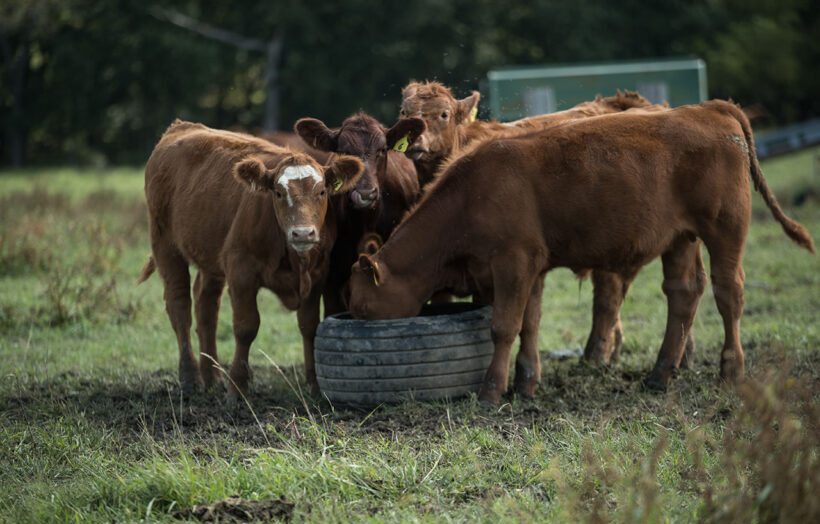
Mineral intake plays a critical role in cattle nutrition, supporting reproduction, growth, milk production, and overall herd health. In most operations, forage alone cannot supply all the minerals cattle need, which makes supplementation an important part of many nutrition programs.
While free-choice minerals are commonly used, intake is not always consistent across a herd. Factors such as feeder placement, feeder access, weather conditions, and herd behavior can all influence how much mineral cattle consume. Taking a proactive approach to mineral management can help support more consistent intake and better overall results.
Table of contents
Key Takeaways
- Mineral intake is crucial for cattle nutrition, impacting growth, reproduction, and herd health.
- Consistent mineral consumption depends on feeder placement and herd access, which can be adjusted to encourage intake.
- Environmental factors and feeder design also affect mineral intake; prioritize feeders that keep minerals dry and accessible.
- Monitor cattle behavior and adjust feeder space to prevent competition and enhance overall intake consistency.
- Effective mineral management supports reproductive performance, immune health, and milk production in cattle.
What Affects Mineral Intake in Cattle?
Cattle mineral intake is influenced by several factors, including environmental conditions, forage quality, herd dynamics, and how minerals are offered. While mineral formulation matters, management practices often play just as an important role in supporting consistent intake.
Two of the most effective management tools are feeder placement and ensuring cattle have adequate access to feeders. Small adjustments in these areas can help improve mineral consumption consistency across the herd.
Where Should I Place Cattle Mineral Feeders?
Feeder placement can be an effective way to manage cattle mineral intake.
It may be convenient to place feeders where they are easy to refill, but those locations are not always where cattle naturally spend their time.
Consider placement based on your intake goals:
To Encourage Intake
Place feeders closer to:
- Water sources
- Loafing areas
- Common travel routes
To Reduce Overconsumption
Move feeders:
- Away from high traffic areas
- Into less frequently visited areas of the pasture
Even small changes in feeder location can influence how much mineral cattle consume.
How Much Feeder Space Do My Cattle Need?
Adequate feeder access is important for maintaining consistent mineral intake.
As a general guideline, one feeder space for every 20 head of cattle is often sufficient for many free-choice mineral programs. Providing adequate access can help reduce competition and improve the likelihood that cattle throughout the herd have an opportunity to consume mineral regularly.
If feeder space is limited, dominant animals may consume more than their share while subordinate cattle consume less than intended. Monitoring herd behavior around feeders can help identify potential access issues before they impact intake consistency.
Does Feeder Type Matter?
Feeder design can play a role in mineral management, but there is no universally best feeder for every operation.
Instead of focusing on specific feeder styles, prioritize feeders that:
- Keep mineral dry
- Allow cattle easy access
- Minimize waste
- Hold up to your operating conditions
In many cases, proper feeder placement, adequate feeder space, and weather protection have a greater impact on mineral consumption than the feeder design itself.
How Can Weather Affect Mineral Intake?
Weather conditions can have significant impact on both mineral quality and cattle mineral intake.
Rain, snow, and prolonged moisture exposure can cause minerals to cake, harden, or spoil, making them less palatable and potentially reducing consumption. Wind can also contribute to mineral loss in uncovered feeders.
To help protect mineral quality:
- Use feeders that provide adequate weather protection
- Inspect feeders regularly for moisture accumulation
- Remove spoiled or contaminated mineral as needed
- Place feeders in locations that minimize exposure to standing water and excessive runoff
Keeping mineral fresh, dry, and readily available can help support more consistent intake throughout the year.
How Do I Improve Consistency in My Herds Mineral Intake?
Consistent mineral intake starts with observation and adjustment.
Consider these management practices:
- Monitor consumption regularly to verify intake aligns with product recommendations
- Ensure adequate feeder space throughout the herd
- Check feeders frequently for weather-related issues
- Evaluate herd behavior to identify competition or access concerns
- Adjust feeder placement when intake is too high or too low
Small management changes can often make a meaningful difference in mineral consumption consistency.
How Does Proper Mineral Management Support Cattle Performance?
When cattle consistently consume the minerals they need, it can help support:
- Reproductive performance
- Growth and body condition
- Immune function
- Milk production in cow-calf operations
- Overall herd health
Mineral needs and intake can vary depending on forage quality, environmental conditions, and management practices. Monitoring intake and making adjustments as conditions change can help maintain a more effective mineral program.