

Colic in Horses
Information About Colic in Horses
-
What Is Colic?
- Colic is a manifestation of abdominal pain that may be from many different sources.
- There are many causes of colic of which most are related to feeding mismanagement.
- Stomach problems may be related to gastric ulcers.
-
Presenting Symptoms of Colic
- In mild colic cases, symptoms may include lethargy; loss of appetite; lack of fecal movements; laying down and getting up repeatedly; turning the head toward the flank.
- In more severe cases, symptoms may start to include excessive sweating, restlessness, pawing, rolling, kicking or biting at the belly, shallow breathing or swelling of the abdomen
-
-
Dietary and Management Recommendations for Colic
- Horses should have access to good quality hay or pasture at all times.
- Horses should be turned out or exercised daily.
- Horses should have fresh water available at all times, particularly in very hot or cold temperatures.
- Never feed concentrate (grain) meals of more than 0.5% of the horse’s body weight in one feeding.
- Avoid sudden changes in hay and concentrates.
- Do not feed spoiled or moldy feeds.
- Access to salt.
- Horses should be completely cooled and properly rehydrated before being fed concentrates.
- Horses that bolt their feed should be fed small amounts more frequently, and feeding devices may be needed to slow consumption.
- Horses should be fed individually or in small groups to prevent some individuals from consuming other horses’ rations.
- Close attention must be paid to both rapidly-growing lush pasture grass, or grass growing under stress conditions as high fructan content under these growing conditions can lead to colic.
- Chronic high soluble carbohydrate intake may alter hindgut function. This may predispose the horse to colic.
- High whole grain diets may predispose horse to colic, as the unprocessed starch in these rations are typically not digested in the small intestine, leading to starch overload in the hindgut.
- Horses should always be fed a minimum of 1% body weight per day as forage. Utilize high fat and highly-digestible fiber feeds to minimize risk of starch overload in the hindgut.
- Utilize feeds with added yeast culture, direct fed microbials and organic trace minerals to enhance fiber digestion and the bioavailability of nutrients, particularly in cases where there’s a history of colic.
Our Exclusive Technologies to Support Colic
-

Digestive Shield™
Supports your horse’s gut and immune health with our precise blend of controlled starch, pre + pro + postbiotics, and calcite
-

Nutri-Bloom Advantage®
Increases fiber digestion to support more muscle tone, better body condition, and improved overall health


Controlled Starch
Pioneered by Nutrena
The Nutrena brand changed the feed industry over 20 years ago with the debut of the original SafeChoice Horse Feed, the first-ever controlled starch horse feed to hit the market. By “controlling” and setting maximums on the starch and sugar levels, our SafeChoice horse feed provided a new direction in the feed industry and helped reduce the prevalence of digestive concerns for a wide variety of horses.
Recommended Products for Colic in Horses
-
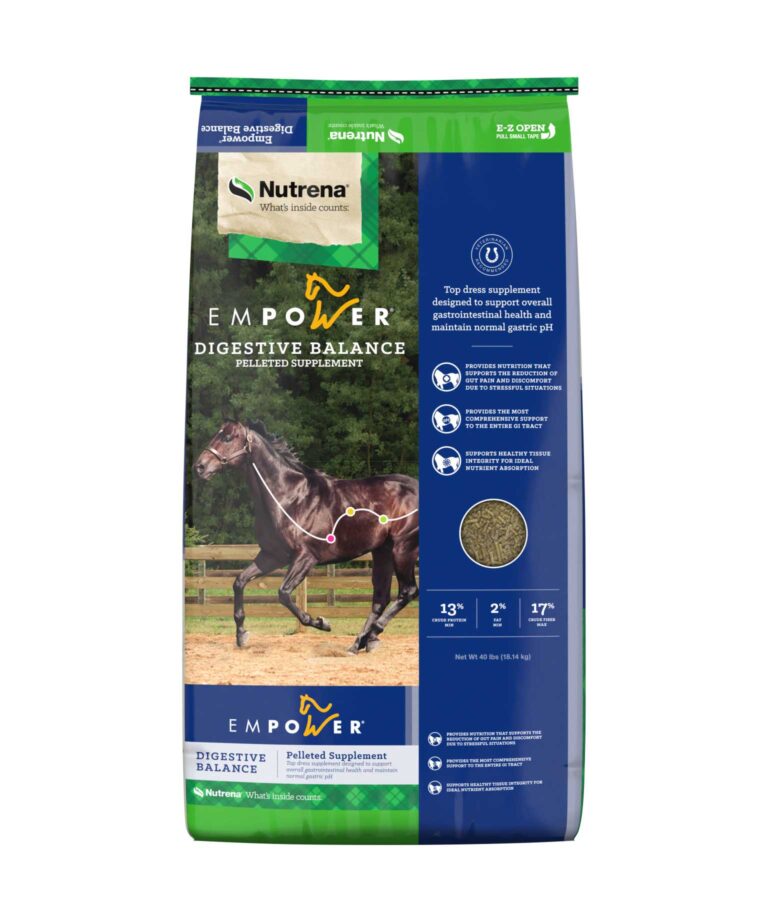 Empower
Digestive Balance
13% Protein2% Fat17% FiberA pelleted top dress supplement designed to support overall gastrointestinal health and maintain normal gastric pHLearn More -
 SafeChoice
Special Care
14% Protein7% Fat21% Fiber10% NSCLow controlled starch formula with only 10% NSC for horses with metabolic concerns and easy keepers – now with Digestive Shield™Learn More -
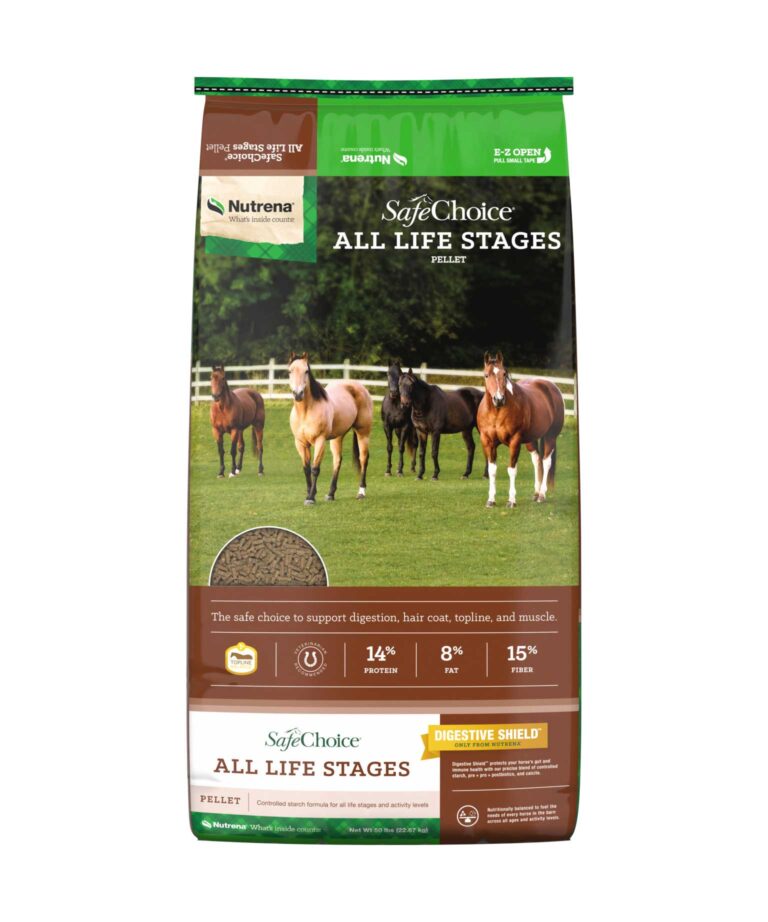 SafeChoice
All Life Stages
14% Protein8% Fat15% Fiber20% NSCNutritionally balanced, controlled starch formula for all life stages and activity levels including performance horses – now with Digestive Shield™Learn More