
Equine Gastric Ulcers
Understanding and Managing Equine Gastric Ulcers
-
What Is Equine Gastric Ulcers?
- Eighty percent of horses in training have ulcers. Higher intensity levels of training are correlated with an increase in ulcer incidence.
- The major cause of gastric ulcers in horses is prolonged exposure of the squamous mucosa to gastric acid. This tissue, unlike that of the glandular portion of the stomach, does not have a mucus layer and does not secrete bicarbonate that serves as a buffer to acid produced in the stomach.
- Saliva production is the only protection this portion of the stomach has from acid and pepsin. When saliva production is inadequate to buffer gastric acid and coat the squamous epithelium, gastric irritation and lesions may occur.
- Gastric ulcers may be the cause of chronic, recurrent colic, poor body condition and chronic diarrhea.
-
Dietary and Management Recommendations for Equine Gastric Ulcers
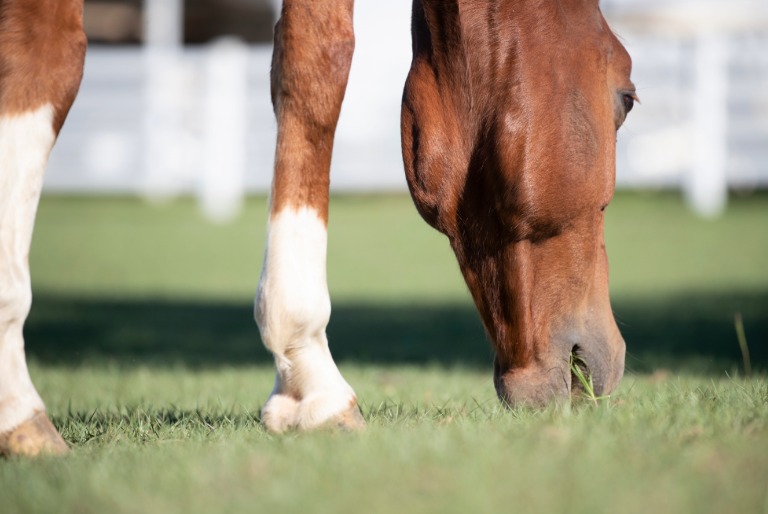
- Horses suffering from gastric ulcers should immediately be treated to heal the ulcers. It is helpful if horses suffering from ulcers can be turned out, preferably twenty-four hours daily and allowed to graze. Grazing produces copious amounts of saliva that will buffer the stomach lining and prevent further damage.
- If access to pasture is not possible, it is imperative that horses with ulcers have access to excellent quality legume, grass or mixed hay. Legume hay is quite useful in this situation as its high calcium content can serve as a buffer to some extent. Also, horses tend to prefer legume to grass hay and anything that can be done to keep the horse eating should be implemented.
- Once the ulcers are healed, it may be helpful to feed a daily buffer/antacid.
- Increasing the feeding frequency is also helpful in keeping saliva production constant and, therefore, protecting the mucosal lining.
- Horses with ulcers should not consume high starch rations as they tend to exacerbate the problem due to increased acid production.
- Highly soluble fiber feeds that can be fed in large quantities work best in this situation.
- Always provide access to good quality forage, free choice salt and water.
Our Exclusive Technologies to Support Equine Gastric Ulcers
-

Digestive Shield™
Supports your horse’s gut and immune health with our precise blend of controlled starch, pre + pro + postbiotics, and calcite
-

Nutri-Bloom Advantage®
Increases fiber digestion to support more muscle tone, better body condition, and improved overall health


Controlled Starch
Pioneered by Nutrena
The Nutrena brand changed the feed industry over 20 years ago with the debut of the original SafeChoice Horse Feed, the first-ever controlled starch horse feed to hit the market. By “controlling” and setting maximums on the starch and sugar levels, our SafeChoice horse feed provided a new direction in the feed industry and helped reduce the prevalence of digestive concerns for a wide variety of horses.
Recommended Products for Equine Gastric Ulcers
-
 SafeChoice
Special Care
14% Protein7% Fat21% Fiber10% NSCLow controlled starch formula with only 10% NSC for horses with metabolic concerns and easy keepers – now with Digestive Shield™Learn More -
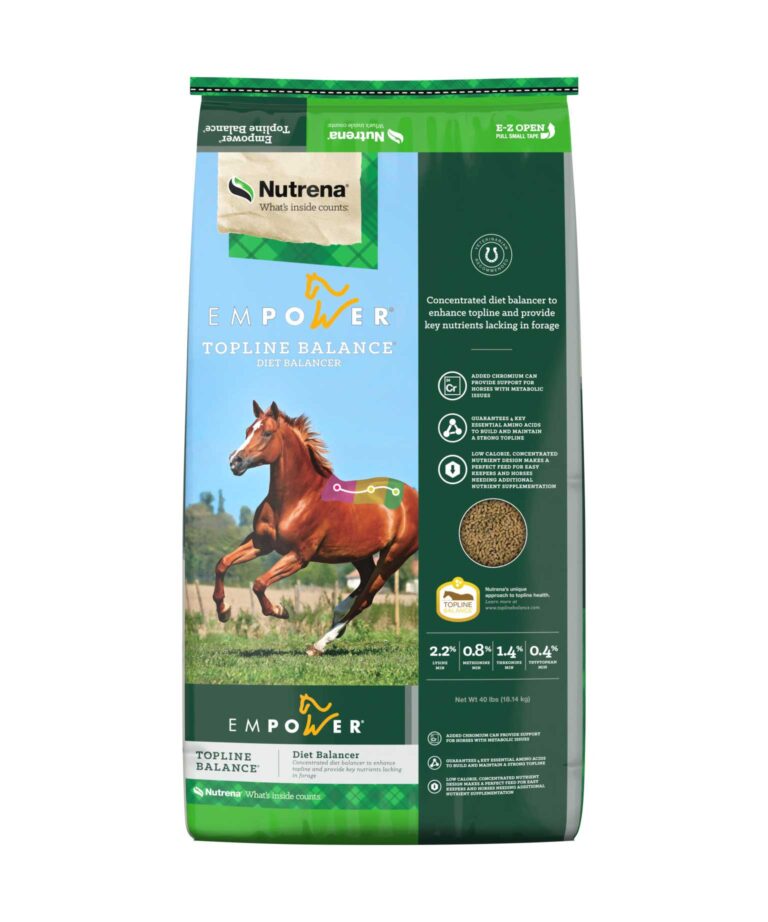 Empower
Topline Balance
30% Protein5% Fat8% FiberConcentrated diet balancer to enhance topline and provide key nutrients lacking in forageLearn More -
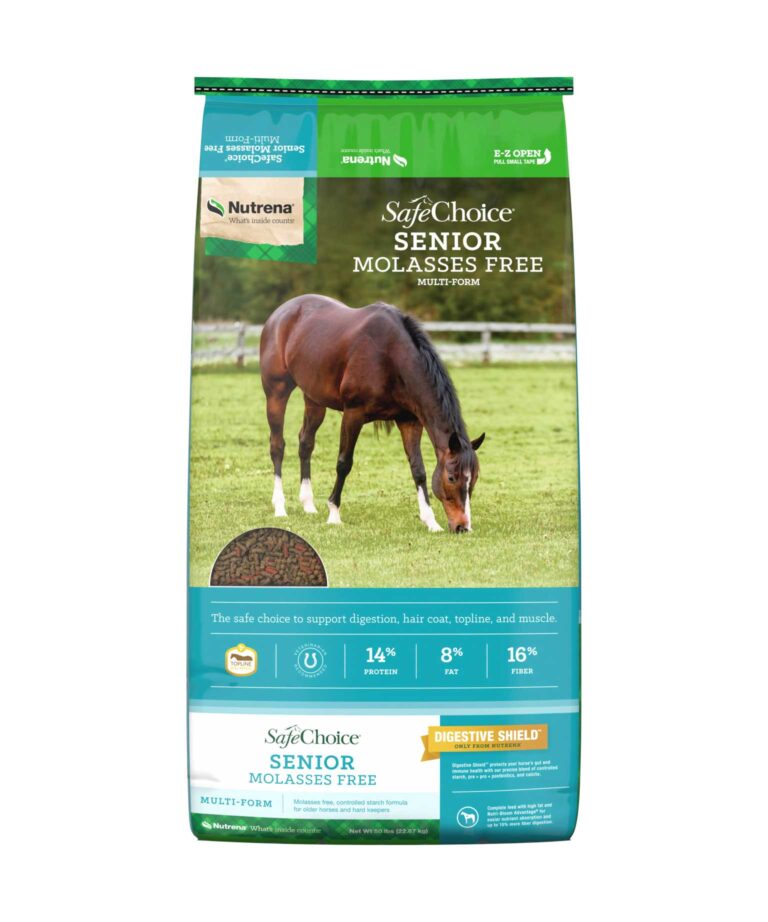 SafeChoice
Senior Molasses Free
14% Protein8% Fat16% Fiber16.5% NSCSpecially designed, molasses-free formula with high fat, controlled starch, and key ingredients for older horses – now with Digestive Shield™Learn More