
Equine Laminitis
Understanding how nutrition fits into the management of equine laminitis can help support horses affected by this painful hoof condition and address underlying nutritional or metabolic risk factors. Explore information on contributing factors, clinical management considerations, and nutrition recommendations designed to support appropriate body condition, metabolic health, and overall well-being.
Understanding and Managing Equine Laminitis
-
What Is Equine Laminitis?
- The term laminitis means inflammation of the laminae.
There are multiple causes.
- Overloading the hindgut with rapidly fermentable carbohydrates such as starch and fructans is the number one cause of laminitis.
- Hydrolyzable carbohydrates that reach the hindgut are fermented, causing an increase in lactic acid production. Acidosis causes the death of many beneficial bacteria, releasing endotoxins, which, in turn, reduces blood flow to peripheral tissues. Soft tissue in the hoof capsule is highly susceptible to damage due to decreased blood flow.
- Mechanical injury can also be a cause (repetitive impact of the hoof on hard ground).
- The term laminitis means inflammation of the laminae.
-
Presenting Symptoms of Equine Laminitis
- Standing with front feet out in front of the body and hind feet further under the body with weight rocked back.
- Hooves warmer than normal, blood in the white line, fever rings visible on hoof wall, pain response when pressure is applied to sole.
- Less activity and a reluctance to move or turn when led.
- Lying down more than is normal.
- Depression.
- ‘Bounding’ pulses in affected legs.
- Many horses with chronic laminitis are overweight, cresty necked, with additional areas of fat deposition.
-
Dietary and Management Recommendations for Equine Laminitis
- Horses prone to laminitis or suffering from the disease should be fed diets low in hydrolyzable carbohydrates (starch).
- Horses with laminitis should be fed rations well-fortified in vitamins/minerals and amino acids to help with repair of the hoof wall and structures.
- Horses that have suffered from laminitis should not be fed diets rich in starch, as sensitivity to increases in blood sugar and insulin may be present in these horses.
- Some horses may benefit from supplemental magnesium and chromium, both of which assist in increasing sensitivity to insulin.
- If lush pasture is available, horses with laminitis or prone to laminitis should be fitted with a grazing muzzle to prevent excess consumption of forage that contains high levels of fructans (plant sugars). If a muzzle is not an option, placing the horse in a dry lot is preferable to lush pasture.
- Strict weight control and exercise help the laminitic horse immensely.
- Hoof trimming or appropriate shoeing is imperative, particularly in horses that have suffered rotation of the coffin bone.
- Horses with laminitis fare best when left turned out around the clock once the acute phase has passed.
Our Exclusive Technologies to Support Laminitis
-

Digestive Shield™
Supports your horse’s gut and immune health with our precise blend of controlled starch, pre + pro + postbiotics, and calcite
-

Nutri-Bloom Advantage®
Increases fiber digestion to support more muscle tone, better body condition, and improved overall health
-

Topline Balance® Technology
Includes a specific amino acid profile to help support healthy topline for proper muscling and core strength
Recommended Products for Equine Laminitis
-
 SafeChoice
Special Care
14% Protein7% Fat21% Fiber10% NSCLow controlled starch formula with only 10% NSC for horses with metabolic concerns and easy keepers – now with Digestive Shield™Learn More -
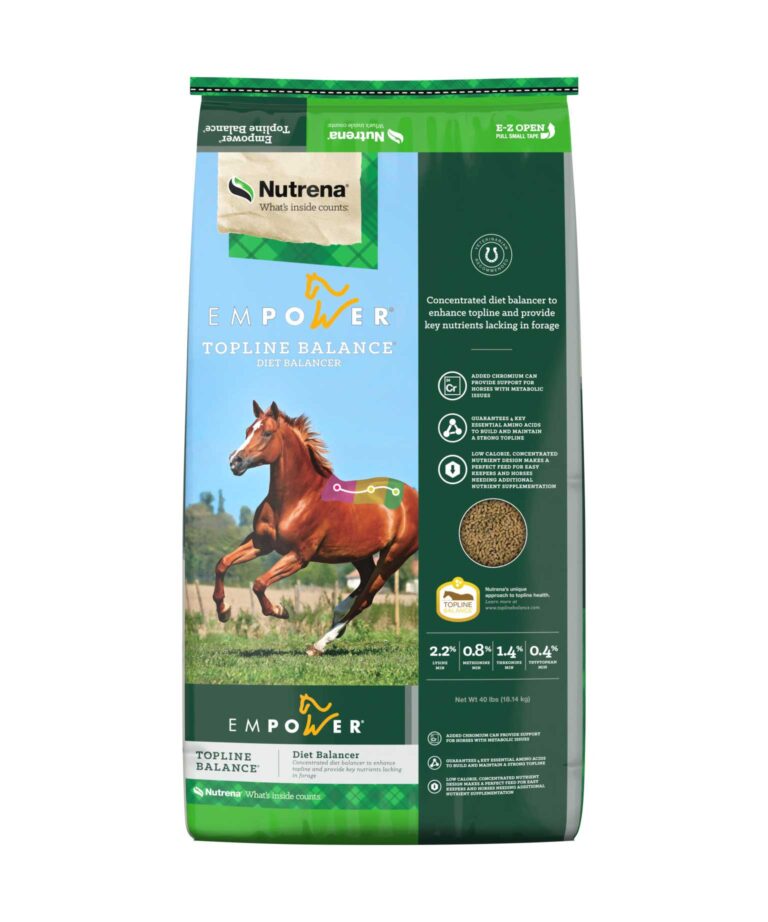 Empower
Topline Balance
30% Protein5% Fat8% FiberConcentrated diet balancer to enhance topline and provide key nutrients lacking in forageLearn More -
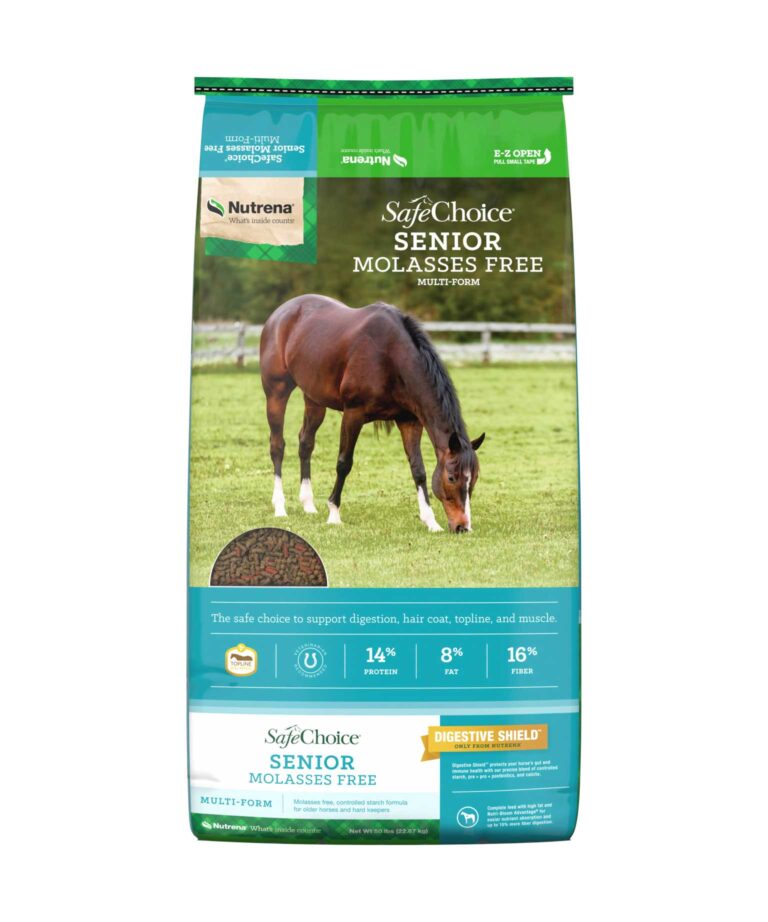 SafeChoice
Senior Molasses Free
14% Protein8% Fat16% Fiber16.5% NSCSpecially designed, molasses-free formula with high fat, controlled starch, and key ingredients for older horses – now with Digestive Shield™Learn More