

Equine Metabolic Syndrome
Understanding how nutrition fits into the management of equine metabolic syndrome can help support horses with insulin dysregulation and related metabolic challenges. Explore information on causes, clinical management considerations, and nutrition recommendations designed to support metabolic health, appropriate body condition, and overall well-being.
Understanding and Managing Equine Metabolic Syndrome
-
What Is Equine Metabolic Syndrome?
- Equine Metabolic Syndrome is a condition of obesity, insulin resistance and laminitis.
- Horses have evolved by nature to store energy and nutrients in times when feedstuffs are in abundance and, therefore, to enable survival when food is sparse. Horses presented with an abundance of calories on a regular basis may quickly become obese, especially when coupled with limited physical activity.
- These horses become loaded with fat cells that in the past were thought to be nothing more than repositories for stored energy. Studies have shown these fat cells, called adipocytes, are capable of releasing a variety of hormones or adipokines that play a major role in regulation of body mass and composition.
- Also, fat cells in the abdominal area possess an enzyme that converts circulating inactive cortisone into active cortisol, which directly inhibits the action of insulin, leading to or creating insulin resistance.
- Insulin resistance and aberrant carbohydrate metabolism may play a role in disorders such as Cushing’s Disease (PPID), Equine Metabolic Syndrome, Laminitis and Polysaccharide Storage Myopathy. There appears to be a distinct relationship between feeding infrequent, concentrated starch meals and the onset of these disorders.
- Insulin resistance during late pregnancy is also common in the horse and may lead to complications with delivery as well as affect fetal growth.
-
Presenting Symptoms of Equine Metabolic Syndrome
- A classic sign is a “cresty neck,” of which a clear correlation between neck circumference and insulin resistance has been documented.
- Horses with regional deposits of lumpy or dimpled fat pads (e.g., behind the shoulder, around tailhead, over the loin) are suspect of being insulin resistant.
- Horses that seem to gain weight rapidly, particularly in spring with new pasture growth, relative to other horses may indicate insulin resistance.
-
Dietary and Management Recommendations for Equine Metabolic Syndrome
- Utilize low calorie, controlled starch and sugar rations that help minimize the effects of the blood glucose response to meals can assist in managing the disorders.
- Strong recommendation to use forages with a low nonstructural carbohydrate content.
- Other specific nutrients, such as magnesium, vitamin E, zinc and chromium, are useful in managing the above mentioned disorders. (Chromium is not yet approved as a horse feed ingredient, but is available in some supplements.)
Our Exclusive Technologies to Support Equine Metabolic Syndrome
-

Digestive Shield™
Supports your horse’s gut and immune health with our precise blend of controlled starch, pre + pro + postbiotics, and calcite
-

Topline Balance® Technology
Includes a specific amino acid profile to help support healthy topline for proper muscling and core strength
Recommended Products for Equine Metabolic Syndrome
-
 SafeChoice
Special Care
14% Protein7% Fat21% Fiber10% NSCLow controlled starch formula with only 10% NSC for horses with metabolic concerns and easy keepers – now with Digestive Shield™Learn More -
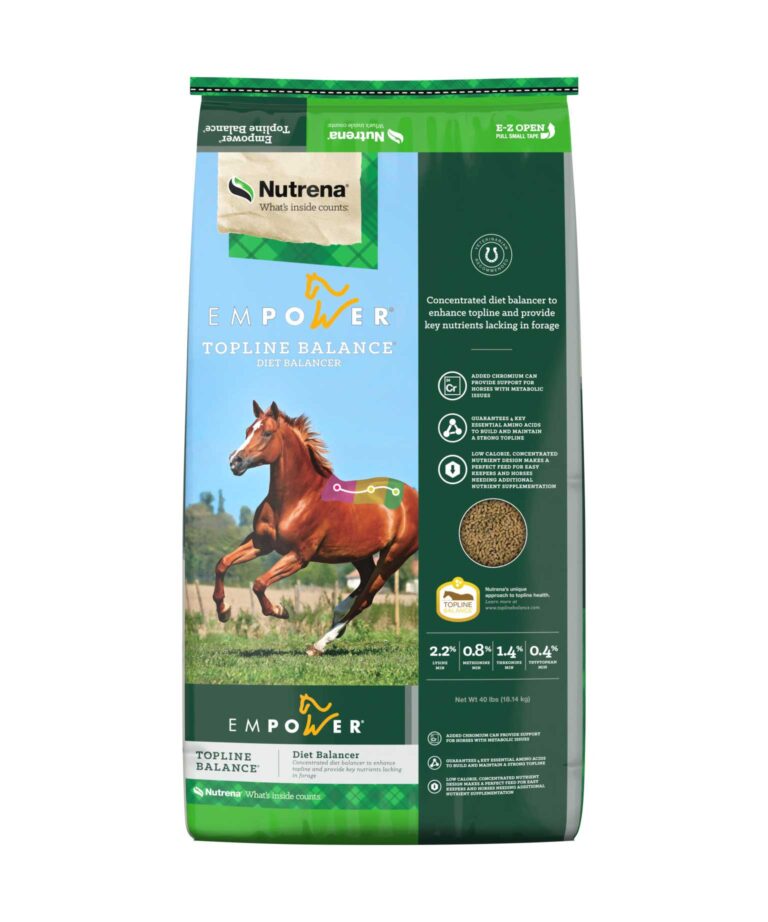 Empower
Topline Balance
30% Protein5% Fat8% FiberConcentrated diet balancer to enhance topline and provide key nutrients lacking in forageLearn More -
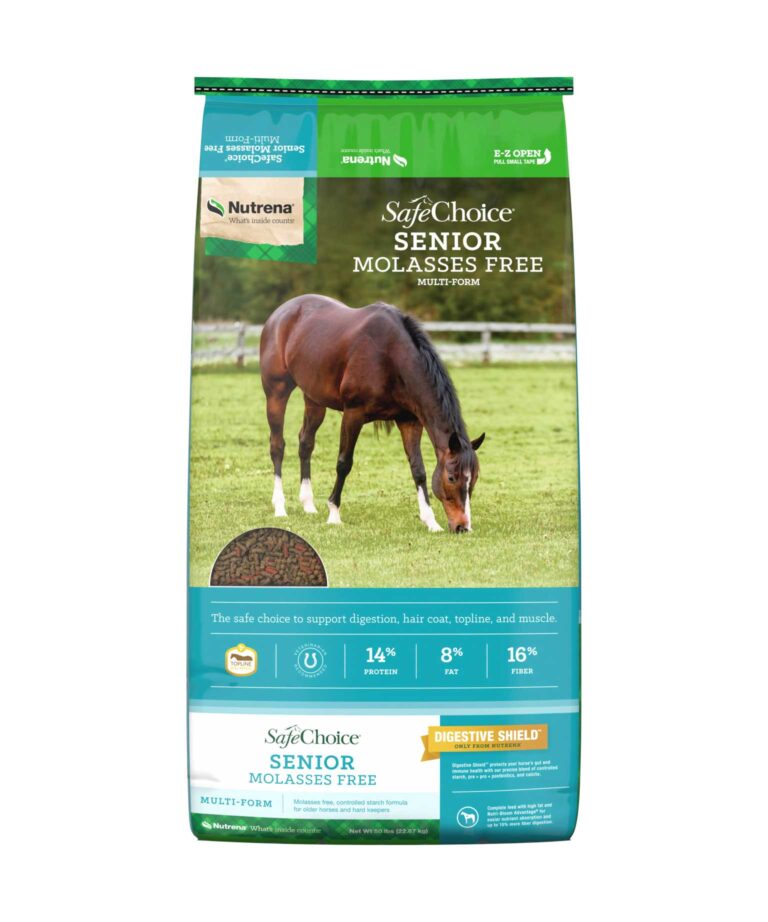 SafeChoice
Senior Molasses Free
14% Protein8% Fat16% Fiber16.5% NSCSpecially designed, molasses-free formula with high fat, controlled starch, and key ingredients for older horses – now with Digestive Shield™Learn More