
Equine Protozoal Myeloencephalitis EPM
Understanding how nutrition fits into the management of Equine Protozoal Myeloencephalitis (EPM) can help support horses experiencing neurological challenges or recovering from the condition. Explore information on causes, clinical management considerations, and nutrition recommendations designed to support overall health, body condition, and recovery.
Understanding and Managing Equine Protozoal Myeloencephalitis
-
What Is EPM?
- Equine Protozoal Myeloencephalitis is a common neurological disease. In the late 1980’s the organism was identified as Sarcocystis neurona and an antibody test was developed. Sarcoscystis falcutula has also been identified as a potential cause of the condition.
- Sarocystis neurona is now known to be present throughout the western hemisphere. The opossum has been determined to be a host within the cycle, with birds acting as intermediaries for the parasite. The incubation period for the disease is unknown.
- EPM affects different neurons throughout the nervous system and can result in dragging or spastic gaits. One side of the body may be affected, but not the other. If it affects the cranial nerves, the horse may have problems eating or drinking, have facial twisting, or undergo changes in the position of the eyes and ears.
- Severely affected horses may become recumbent and have seizures.
- Diagnosis of EPM is based upon finding antibodies or, more recently, a DNA detection test from either blood or cerebrospinal fluid.
-
Dietary and Management Recommendations for EPM
- Low starch, high fiber and added fat are recommended since there is an increased incidence of digestive disturbances (diarrhea) as a side effect of treatment.
- Folic acid and vitamin E have been found to aid in nerve healing and should be included in the daily regimen.
- High quality, highly palatable forage should be fed as many horses with EPM suffer weight loss.
- High fat and soluble fiber rations should be utilized when feeding horses that are recovering from EPM.
- Excellent quality protein and amino acids are required to help rebuild damaged nerve and muscle tissue.
- Exercise should continue to prevent atrophy so long as the horse is not a threat to itself or handlers/riders.
- Turn out horses recovering from EPM alone or with a non-aggressive horse, weather permitting.
Our Exclusive Technologies to Support EPM
-

Digestive Shield™
Supports your horse’s gut and immune health with our precise blend of controlled starch, pre + pro + postbiotics, and calcite
-

Nutri-Bloom Advantage®
Increases fiber digestion to support more muscle tone, better body condition, and improved overall health
-

Topline Balance® Technology
Includes a specific amino acid profile to help support healthy topline for proper muscling and core strength
Recommended Products for Equine Protozoal Myeloencephalitis
-
 SafeChoice
Special Care
14% Protein7% Fat21% Fiber10% NSCLow controlled starch formula with only 10% NSC for horses with metabolic concerns and easy keepers – now with Digestive Shield™Learn More -
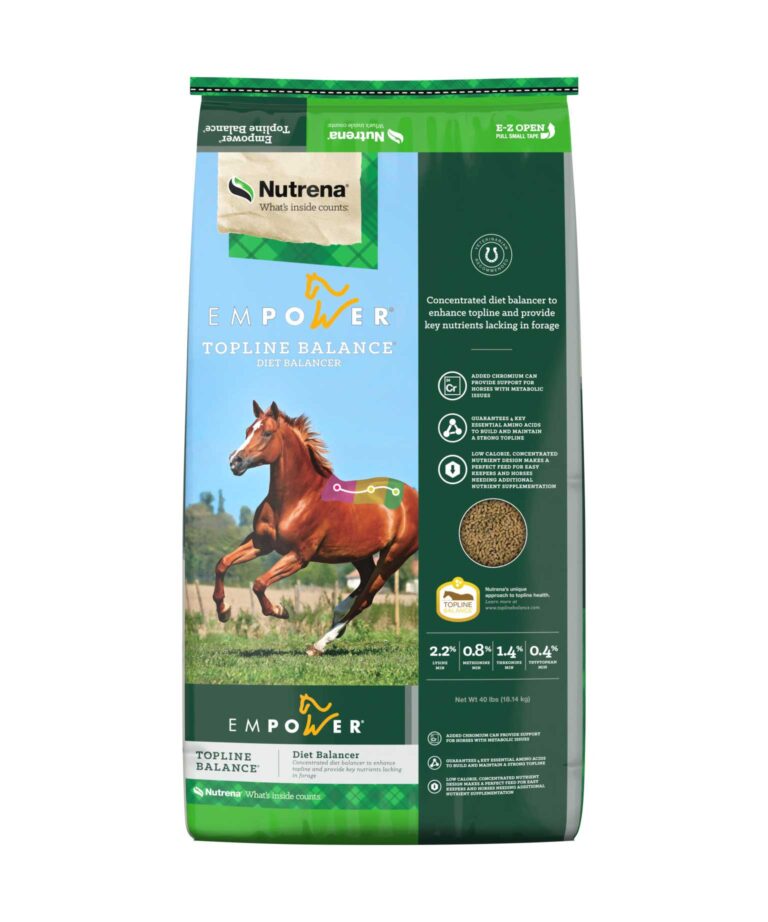 Empower
Topline Balance
30% Protein5% Fat8% FiberConcentrated diet balancer to enhance topline and provide key nutrients lacking in forageLearn More -
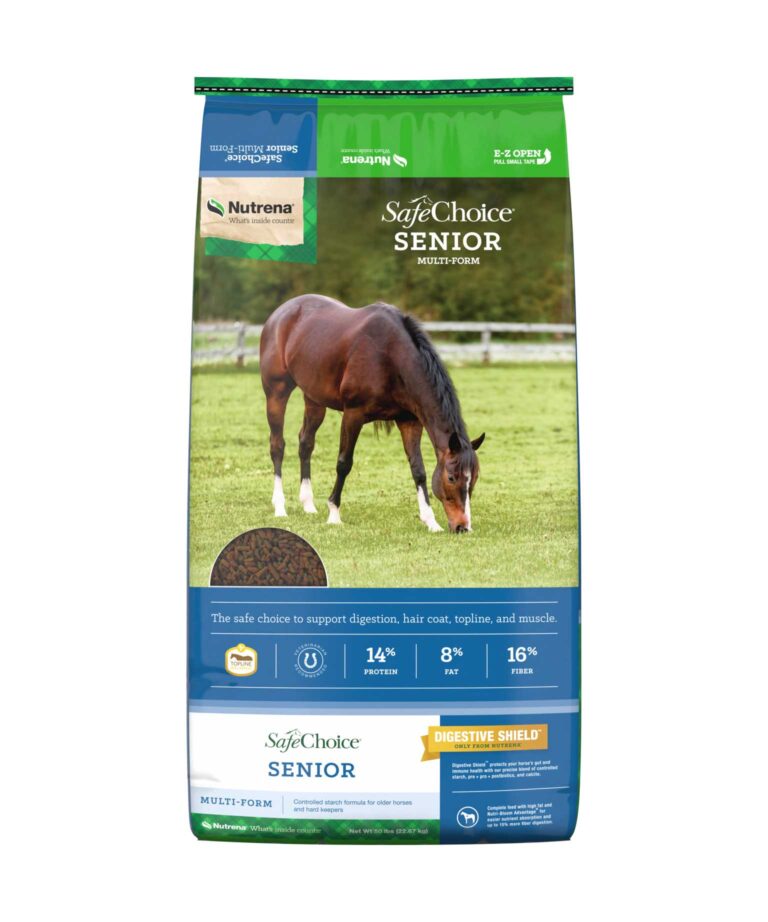 SafeChoice
Senior
14% Protein8% Fat16% Fiber18% NSCHigh fat and controlled starch formula designed for the unique needs of performance horses, hard keepers and older horses – now with Digestive Shield™Learn More