

Overweight Horses
Understanding how nutrition fits into the management of overweight horses can help support appropriate body condition and address health concerns associated with excess weight. Explore information on contributing factors, clinical management considerations, and nutrition recommendations designed to support weight management, metabolic health, and overall well-being.
Understanding and Managing Overweight Horses
-
What is an Overweight Horses?
- Exercise plays a key role in reducing insulin resistance, which is a condition that is prevalent in horses that carry a lot of weight.
- Obese horses are at increased risk of stress on the heart and lungs, greater risk of laminitis or founder and increased risk of developmental orthopedic (bone and joint) problems in young, growing horses.
- Overweight horses also put more strain on feet, joints, and limbs and worsen symptoms of arthritis.
- In addition, overweight horses experience less efficient cooling of body temperatures, fat build-up around key organs, which interferes with normal function and contributes to lower reproductive efficiency, greater lethargy and fatigue.
- Some overweight horses may have metabolic disorders such as PPID. This should be investigated, as medical treatments may be necessary to control these disorders.
-
Dietary and Management Recommendations for Overweight Horses
- Many obese horses cannot tolerate high levels of starch and sugar in the diet and should be maintained on rations that are low in calories and contain higher levels of fiber.
- Horses in training that are easy keepers should be fed lower calorie feeds but in sufficient amounts to meet dry matter and all other nutrient requirements.
- Grass hay is recommended over legume hay for its lower calorie content.
- The best way to keep horses from becoming overweight is to control intake. Horses on lush pasture should be fitted with a grazing muzzle or placed in a dry lot and fed grass hay.
- It is important to know exactly how much feed is being fed to an individual horse to avoid overfeeding hay and concentrate.
- Monitor weight gains or losses using a weight scale, weight tape or Body Condition Scoring System—and adjust feeding rate as may be required. Avoid a Body Condition Score over 7.Always provide free-choice salt and fresh, clean water
Our Exclusive Technologies to Support Overweight Horses
-

Digestive Shield™
Supports your horse’s gut and immune health with our precise blend of controlled starch, pre + pro + postbiotics, and calcite
-

Nutri-Bloom Advantage®
Increases fiber digestion to support more muscle tone, better body condition, and improved overall health
-

Topline Balance® Technology
Includes a specific amino acid profile to help support healthy topline for proper muscling and core strength
Recommended Products for Overweight Horses
-
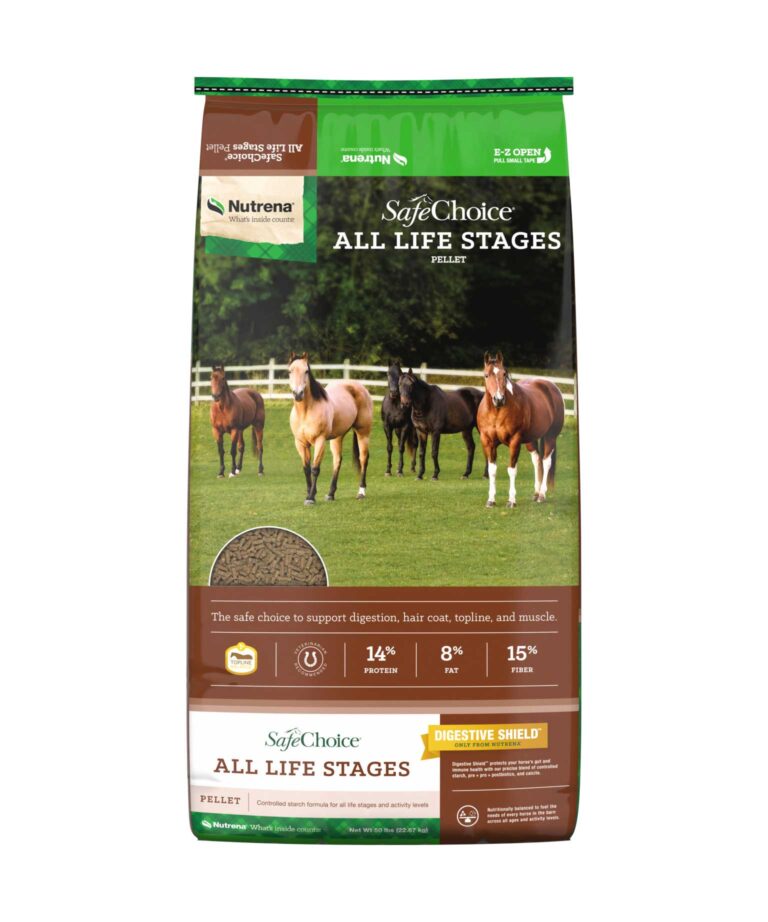 SafeChoice
All Life Stages
14% Protein8% Fat15% Fiber20% NSCNutritionally balanced, controlled starch formula for all life stages and activity levels including performance horses – now with Digestive Shield™Learn More -
 SafeChoice
Special Care
14% Protein7% Fat21% Fiber10% NSCLow controlled starch formula with only 10% NSC for horses with metabolic concerns and easy keepers – now with Digestive Shield™Learn More -
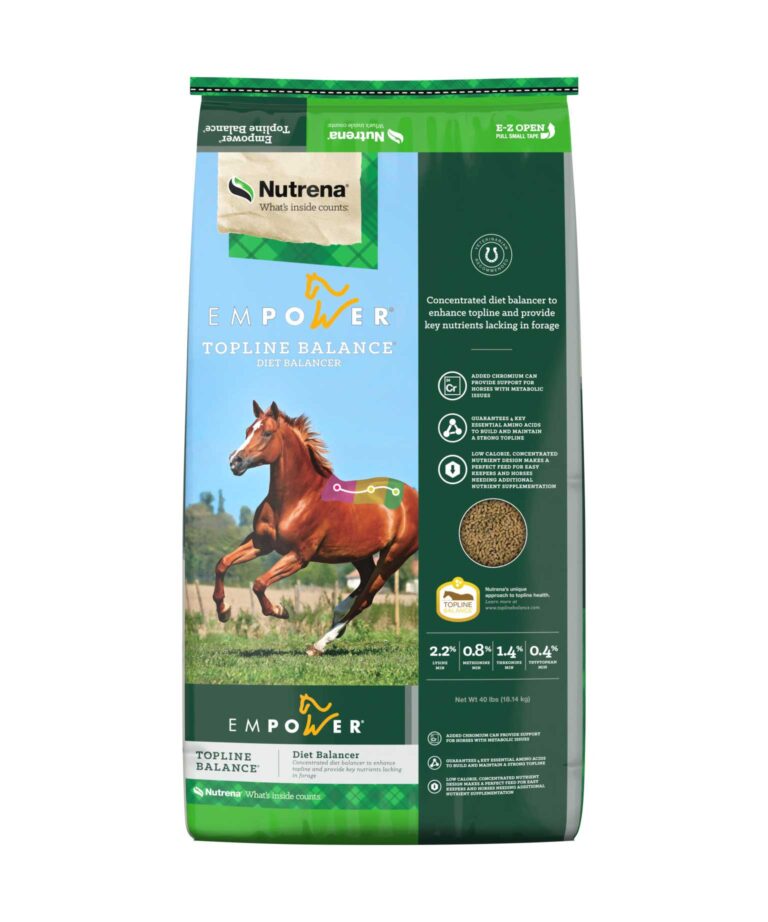 Empower
Topline Balance
30% Protein5% Fat8% FiberConcentrated diet balancer to enhance topline and provide key nutrients lacking in forageLearn More