
Pituitary Pars Intermedia Dysfunction (PPID)
Understanding how nutrition fits into the management of pituitary pars intermedia dysfunction (PPID) can help support horses experiencing age-related hormonal changes and associated metabolic challenges. Explore information on causes, clinical management considerations, and nutrition recommendations designed to support appropriate body condition, metabolic health, and overall well-being.
Understanding and Managing Pituitary Pars Intermedia Dysfunction (PPID)
-
What Is PPID?
- Affecting older horses, the primary problem is with the pituitary gland—hypertrophy, hyperplasia and adenoma formation. There are high levels of circulating cortisol due to pituitary adenoma.
- PPID may result in glucose/insulin intolerance and altered carbohydrate metabolism due to high cortisol levels.
-
Presenting Symptoms of PPID
- Horses with PPID tend to be obese, prone to laminitis, have extreme hair growth that does not shed out in the spring and excessive fat deposits, particularly in the neck, over the wither, loin, croup, around the tailhead and prepuce.
- Some present as obese, but others may be thin and debilitated.
- Decreased muscle mass and tone can give an appearance of weight loss, but may actually mask excess body fat as evidenced by fat bulges above the eyes.
- Excessive water intake and urination may be observed.
- Immune system depressed and chronic infection problems may occur, such as chronic laminitis, foot abscesses, dental infections, pneumonia and parasitism.
-
Dietary and Management Recommendations for PPID
- Feed soluble fiber, moderate fat, controlled starch and sugar concentrates, along with mixed or grass hay.
- Overweight horses should be kept off lush pastures or muzzled. These animals can be fed hay and a protein, vitamin/mineral supplement if additional calories are not necessary.
- Magnesium deficiency may cause decreased insulin secretion, and many horses with PPID have low circulating levels of serum magnesium.
- Treatment with pergolide and cyproheptadine may be appropriate. Veterinarian diagnosis required.
- Routine exercise, regular turnout and maintaining appropriate body condition are extremely important to help to lower resistance to insulin.
Our Exclusive Technologies to Support PPID
-

Digestive Shield™
Supports your horse’s gut and immune health with our precise blend of controlled starch, pre + pro + postbiotics, and calcite
-

Nutri-Bloom Advantage®
Increases fiber digestion to support more muscle tone, better body condition, and improved overall health
-

Topline Balance® Technology
Includes a specific amino acid profile to help support healthy topline for proper muscling and core strength
Recommended Products for PPID
-
 SafeChoice
Special Care
14% Protein7% Fat21% Fiber10% NSCLow controlled starch formula with only 10% NSC for horses with metabolic concerns and easy keepers – now with Digestive Shield™Learn More -
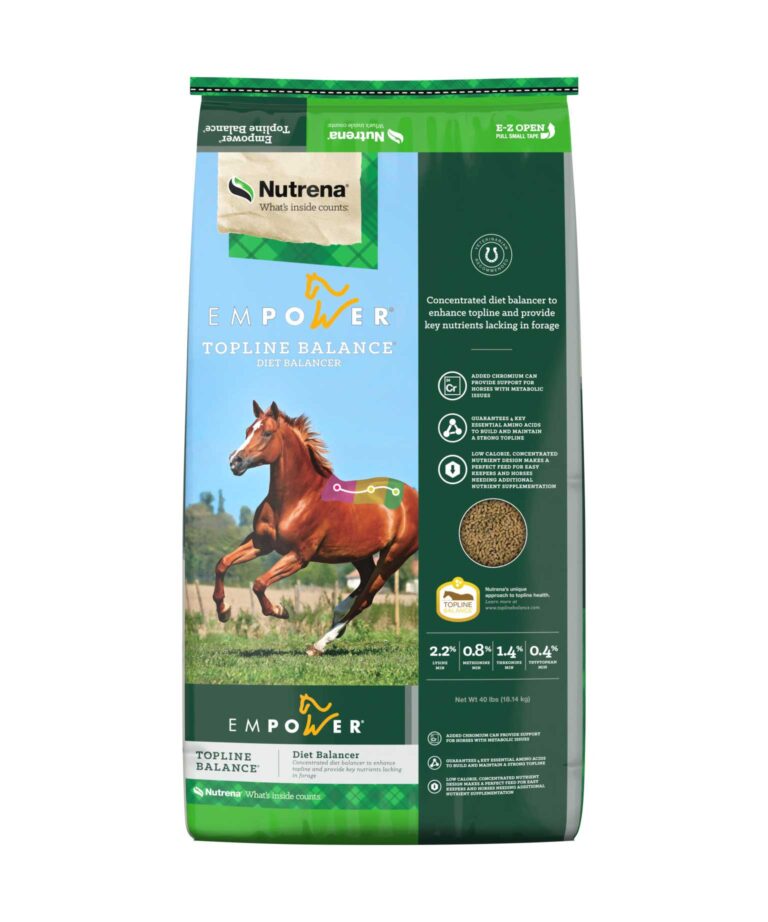 Empower
Topline Balance
30% Protein5% Fat8% FiberConcentrated diet balancer to enhance topline and provide key nutrients lacking in forageLearn More -
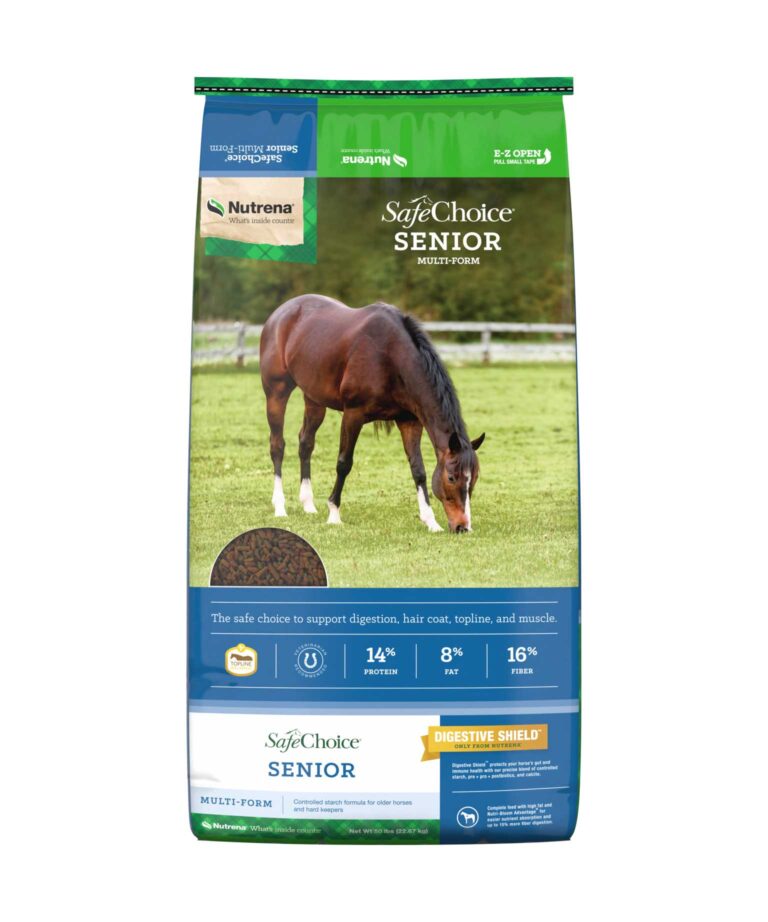 SafeChoice
Senior
14% Protein8% Fat16% Fiber18% NSCHigh fat and controlled starch formula designed for the unique needs of performance horses, hard keepers and older horses – now with Digestive Shield™Learn More