
Renal and Hepatic Disease
Understanding how nutrition fits into the management of renal and hepatic disease can help support horses with impaired kidney or liver function and related health challenges. Explore information on causes, clinical management considerations, and nutrition recommendations designed to support appropriate nutrient balance, organ function, and overall well-being.
Understanding and Managing Renal and Hepatic Disease
-
What Is Renal and Hepatic Disease?
- Renal disease is not very common in horses. Hepatic disease is slightly more common.
- Renal disease is usually brought about secondary to toxicities that cause necrosis to the kidneys. This might be brought on by nephrotoxic drugs such as the aminoglycosides antibiotics, sulfonamides or NSAIDS. Another cause can be attributed to heavy metal poisoning such as lead, arsenic or mercury. Myoglobin accumulation from muscle breakdown in horses with recurrent exertional rhabdomyolysis can be a contributing factor. Horse that have sustained major muscle injuries, and horses that accumulate hemoglobin from blood destruction due to ingestion of toxic plants are also susceptible.
- Renal disease can also be caused by a lack of blood supply to the kidneys, as a result of endotoxemia associated with colic or following sepsis.
- Renal or cystic calculi can cause renal failure. Horses normally excrete excess dietary calcium in their urine instead of the feces as most other species do. If kidney disease is present, renal and bladder calculi are more likely to occur, as well as an increase in blood calcium, which can be lethal. Horses that graze sorghum species many times suffer kidney and bladder problems.
- Chronic hepatic disease is caused by ingestion of toxic substances. These may include plants such as Senecio and Kleingrass. Mycotoxins, such as aflatoxin and fumonisin, which commonly affect corn, are also hepatotoxic. Some diseases, such as equine rhinopneumonitis, and obstructions of the biliary system can also cause liver disease.
- Hyperlipemia with fatty infiltration of the liver is seen commonly in ponies and is associated with obesity.
- Clinical signs of renal and hepatic disease include weight loss, loss of appetite, lethargy, drinking more water, and with hepatic failure, jaundice.
-
Dietary and Management Recommendations for HYPP
- Horses with renal disease should be maintained on a strict diet to limit calcium, protein and phosphorus.
- Horses with hepatic disease must be fed easily-digested soluble carbohydrate sources in order to maintain blood glucose levels. High fat diets are not indicated.
- Feed grass forage with a vitamin/mineral supplement only to avoid feeding excess protein, calcium and phosphorus for both disorders.
- Feeding legume hay or excess protein does not cause kidney disease in horses that are healthy, but is not recommended for horses with renal or hepatic disease.
- Horses with hepatic failure should be supplemented with oral B-complex vitamins and ascorbic acid as the liver is the site for vitamin C and niacin synthesis.
- Use caution with salt supplementation as some horses may overeat salt with either of these conditions. It may be preferable to add 1-2 ounces of salt to concentrate ration daily.
Our Exclusive Technologies to Support Renal and Hepatic Disease
-

Digestive Shield™
Supports your horse’s gut and immune health with our precise blend of controlled starch, pre + pro + postbiotics, and calcite
-

Nutri-Bloom Advantage®
Increases fiber digestion to support more muscle tone, better body condition, and improved overall health
Recommended Products for Renal and Hepatic Disease
-
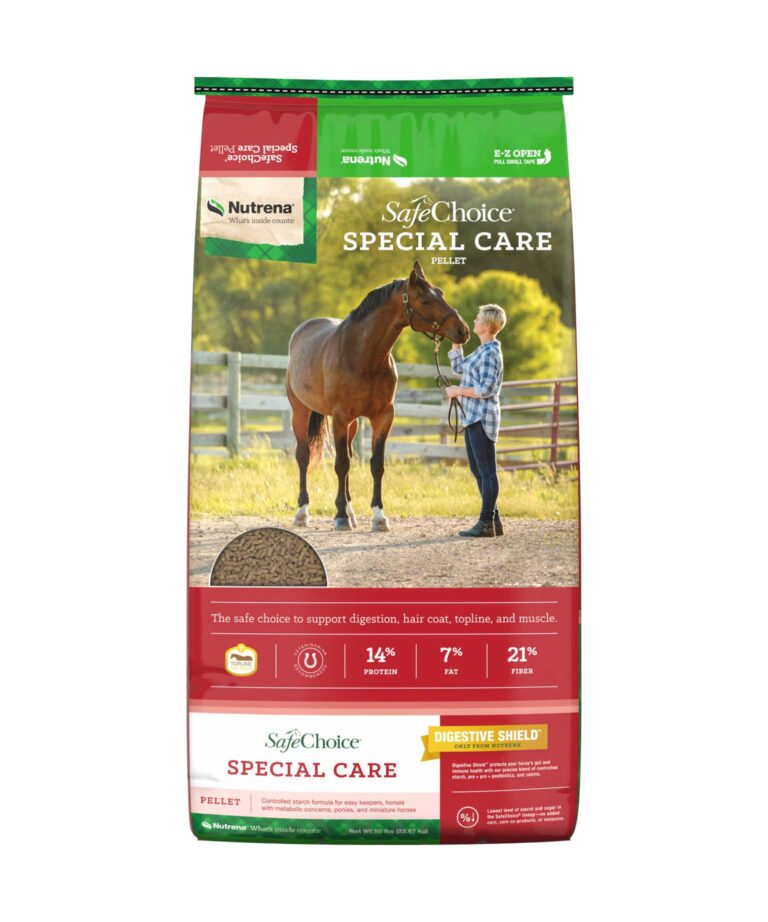 SafeChoice
Special Care
14% Protein7% Fat21% Fiber10% NSCLow controlled starch formula with only 10% NSC for horses with metabolic concerns and easy keepers – now with Digestive Shield™Learn More -
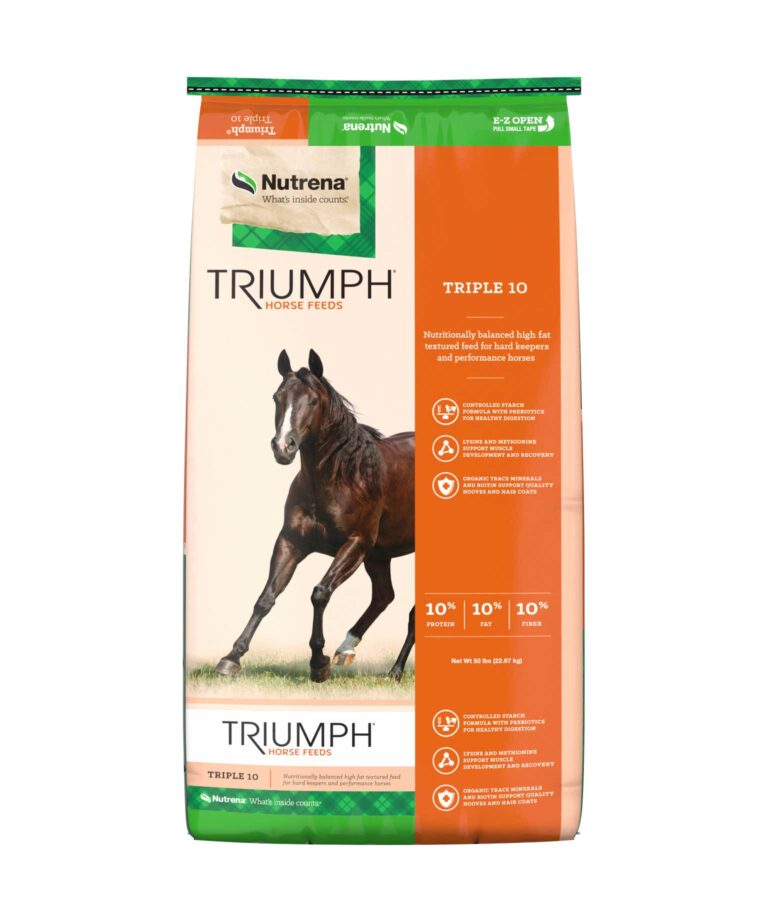 Triumph
Triple 10 Textured Horse Feed
10% Protein10% Fat10% FiberNutritionally balanced high fat textured feed for hard keepers and performance horsesLearn More -
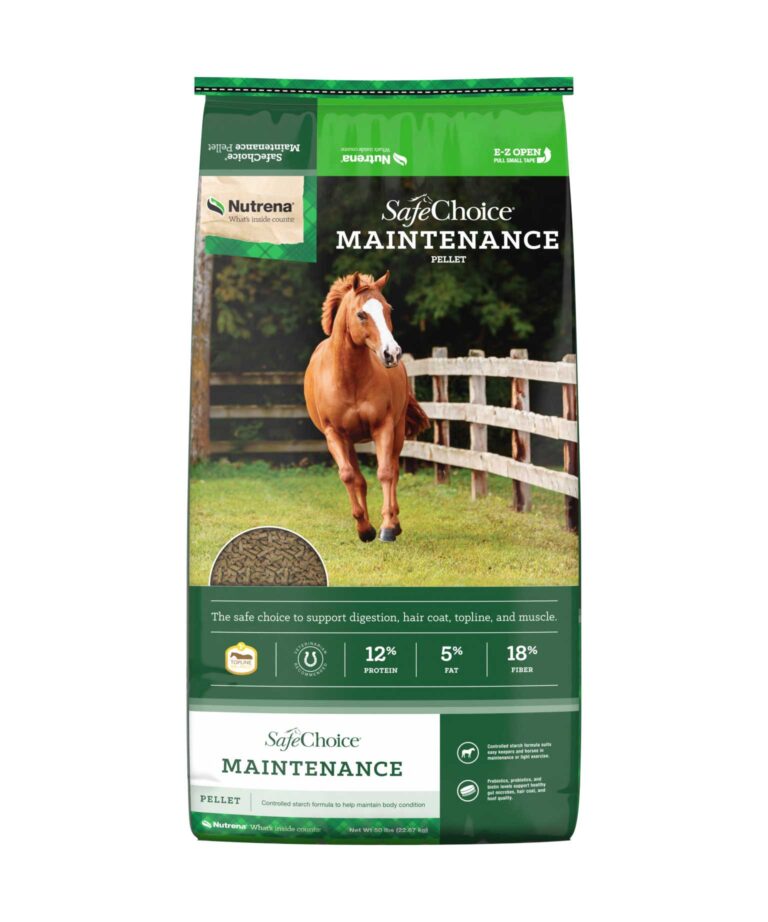 SafeChoice
Maintenance
12% Protein5% Fat18% Fiber25% NSCControlled starch formula to help maintain body condition, best suited for maintenance or light exerciseLearn More