The Right Nutrition At the Right Time for Laying Hens
Timing is everything when it comes to feeding your laying hens. Ensuring they have the correct nutrition at just the right time is an important part of having a happy and healthy flock.
Table of Contents
Key Takeaways
- Timing is crucial when feeding laying hens to ensure proper nutrition at each stage of growth.
- Chicks need high-quality starter feed from hatch to 6 weeks, along with warmth and space.
- Transition to NatureWise feed until 16 weeks, limiting treats to 15% of their diet.
- Switch to layer feed at 16 weeks, focusing on protein, calcium, and essential nutrients for egg production.
- Provide adequate space, fresh water, and calcium sources to maintain a healthy flock and strong eggshells.
Nutrition for Chicks: Hatch to 6 Weeks
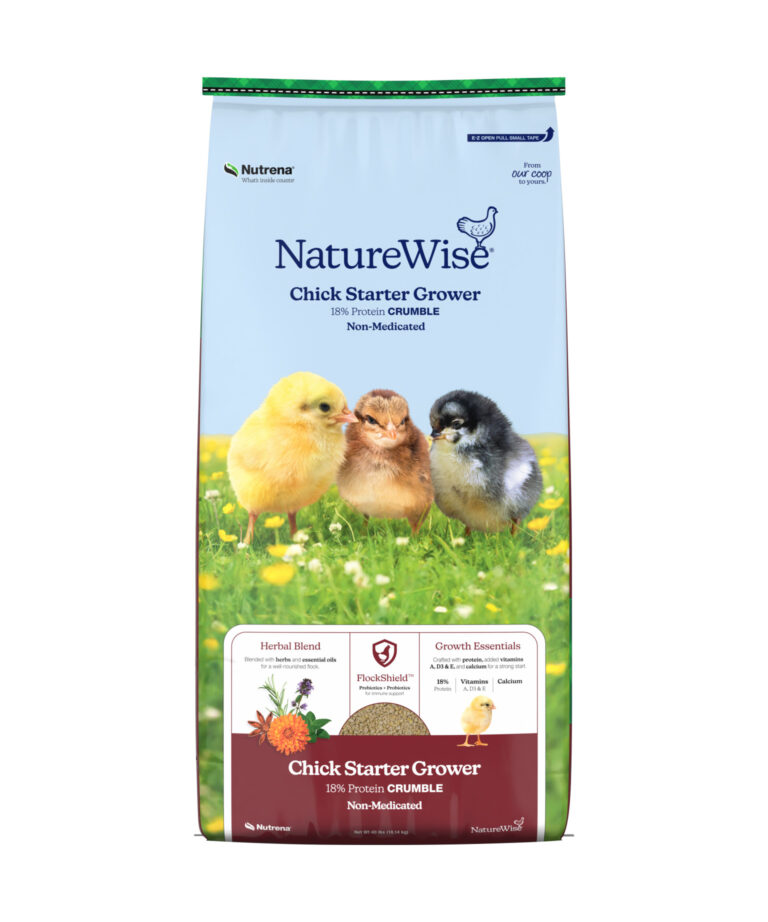
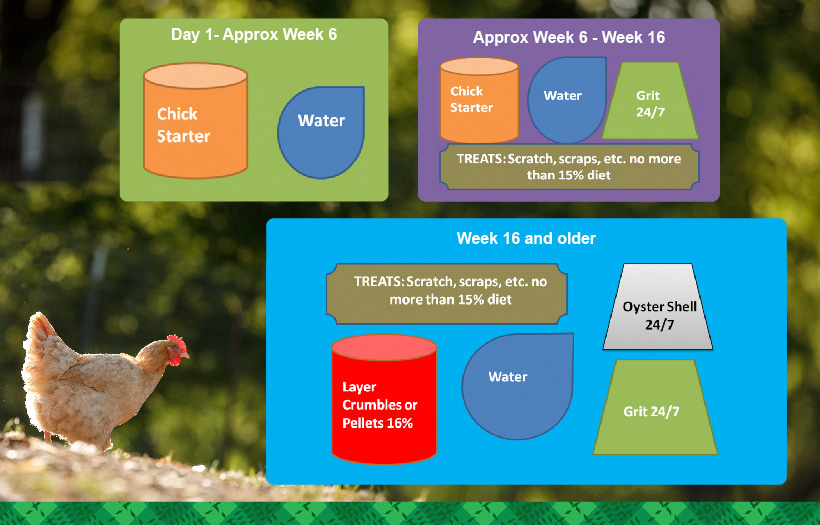
From hatch to about six weeks, chicks need a high-quality chick starter feed to support rapid growth. Provide free-choice access to a starter ration like Nutrena NatureWise Chick Starter Grower, along with fresh, clean water at all times.
- Use a heat lamp to keep chicks warm.
- Allow at least 1 square foot per chick for comfort and growth.
Proper nutrition during this stage impacts your flock’s health and egg-laying performance for life.
Feeding Pullets: 6 to 16 Weeks
Continue feeding NatureWise Chick Starter Grower until about 16 weeks. If you offer treats (scratch grains or kitchen scraps), keep them to what birds can consume in 15 minutes once per day. This ensures treats don’t exceed 15% of the total diet.
- Introduce treats only after week 6.
- If birds eat anything other than crumbles or pellets, provide grit free choice in a separate feeder.
Consistency in nutrition helps pullets thrive and prepares them for the transition to laying.
Switching to Layer Feed at 16 Weeks
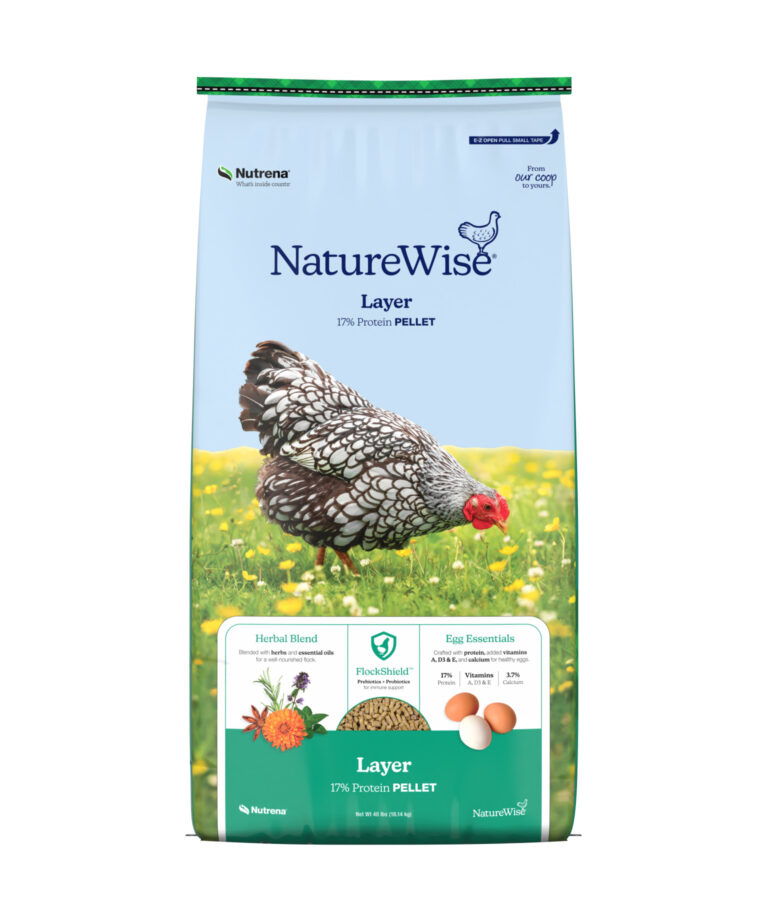
Around 16 weeks, it’s time to switch to a layer ration. Choose a feed formulated for egg production, such as Nutrena NatureWise Layer Crumble or Layer Pellet, which includes:
- 17% protein for strong muscles and feather health
- Calcium and Vitamin D3 for hard-shelled eggs
- Essential oils for taste and freshness
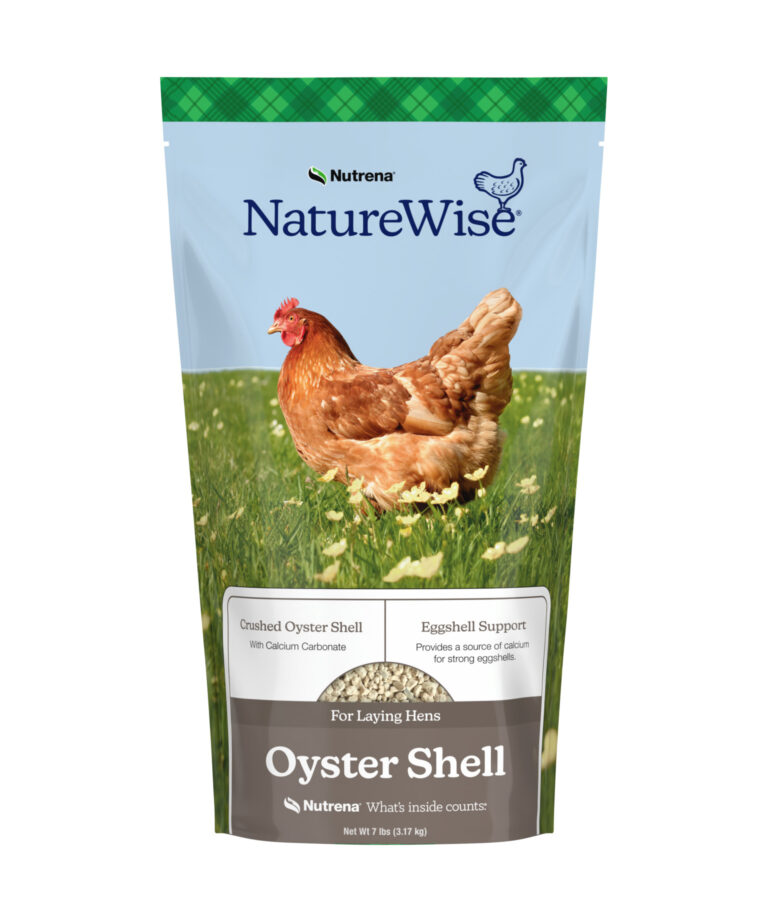
Continue offering grit and fresh water at all times. Treats should remain under 15% of the diet. At this stage, also provide oyster shell free choice for extra calcium.
Space, Water, and Calcium: Essentials for Healthy Layers
Adult hens need proper housing and care:
- 3–4 square feet per bird in the coop
- One nesting box for every 4–5 hens
- Fresh water available at all times (eggs are mostly water!)
- Oyster shell or limestone for slow-release calcium
These essentials, combined with a balanced Nutrena layer feed, help ensure strong eggshells and a healthy flock.