When Pullets Start to Lay Eggs
Learn when pullets begin laying eggs, how to tell they’re ready, and what nutrition and housing they need for a healthy start.
Table of Contents
Key Takeaways
- Pullets typically start laying eggs between 16 and 24 weeks of age, depending on breed and care.
- Switch to a high-quality layer feed around 16 weeks to provide essential nutrients for egg production.
- Look for signs such as age, appearance, and changes in combs and pelvic bones to know when your pullets are ready to lay.
- Prepare nest boxes before eggs arrive, ensuring they are the right size, quantity, and height for comfort.
- Provide clean bedding and privacy in the nest to keep eggs safe and clean.
When Do Pullets Begin Laying?
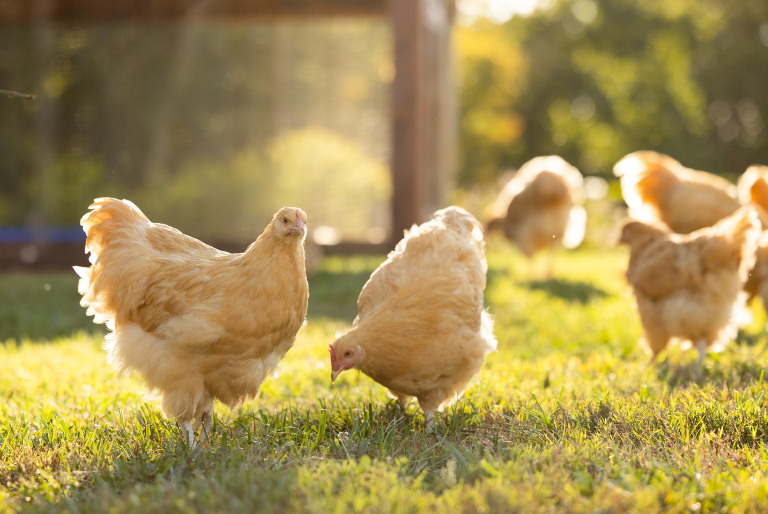
Summer is here, and your spring chicks are growing up! Pullets—young hens—typically start laying between 16 and 24 weeks of age, depending on breed and care. If your birds have enjoyed good nutrition and a safe environment, you can expect eggs soon.
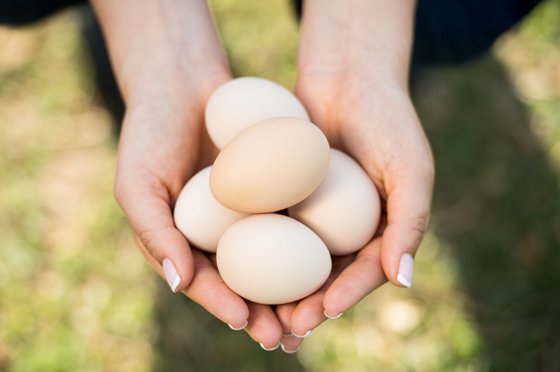
Finding that first egg from your hand-raised pullets is exciting. These early eggs are often small and look like tiny gems in the nest. Over time, egg size will increase as your hens settle into a regular laying pattern.
Switch to Layer Feed Before the First Egg
If your pullets are 16 weeks or older, now is the time to transition from chick starter to a Nutrena layer feed. Laying hens need extra calcium, vitamins, and minerals to support egg production. Every egg requires significant calcium, so proper nutrition is essential.
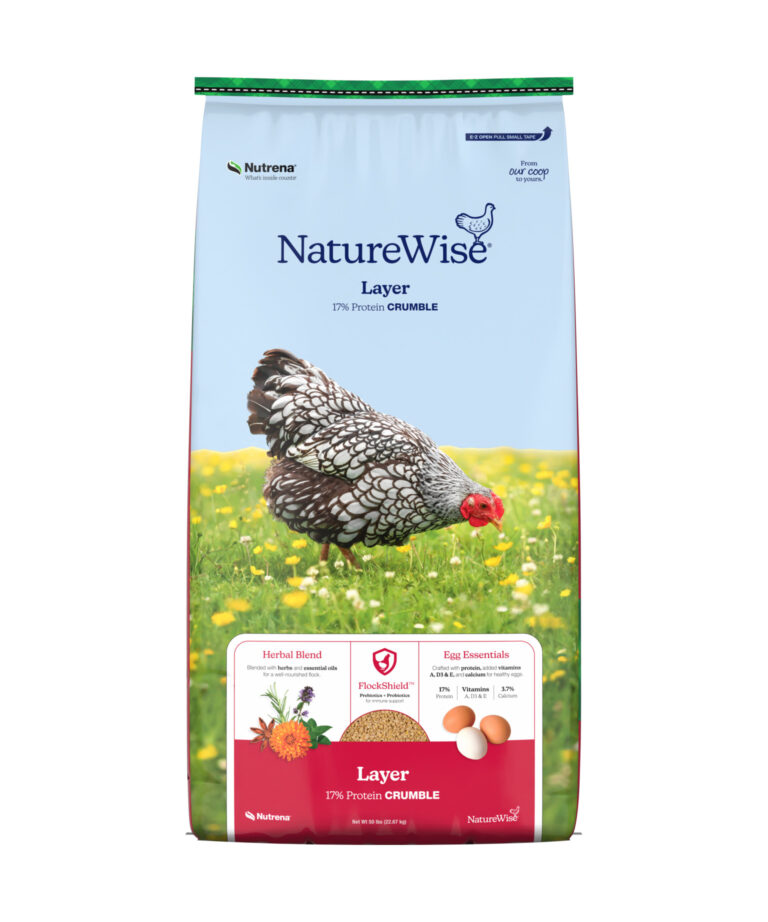
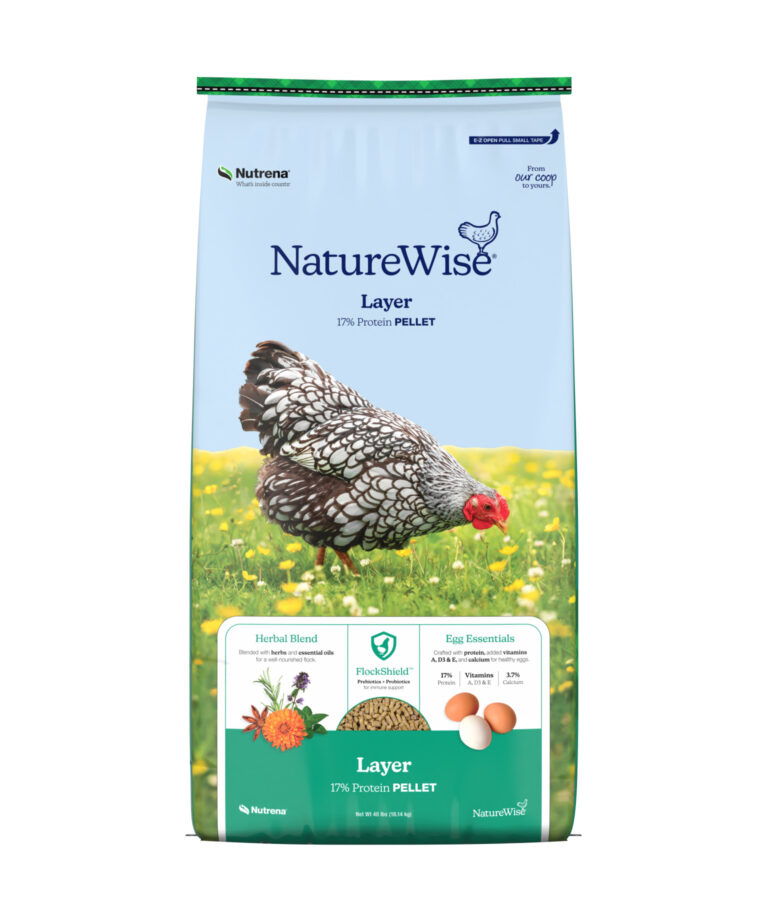
Choose a premium feed like Nutrena NatureWise Layer Crumble or Layer Pellet, formulated with:
- Calcium and Vitamin D3 for strong eggshells
- 17% protein for muscle and feather health
- Essential oils for taste and freshness
Explore more about Nutrena NatureWise poultry feeds.
Also provide oyster shell free choice for supplemental calcium. Sprinkle it on the coop floor or offer it in a separate dish so hens can eat what they need.
Signs Your Pullets Are Ready to Lay
Wondering if eggs are just around the corner? Look for these signs:
- Age: 16–24 weeks old
- Appearance: Pullets look full-grown with clean, new feathers
- Combs and wattles: Swollen and deep red in color
- Pelvic bones: Begin to separate
How to check pelvic bones:
Gently cradle the hen against your side with her rear facing you. Hold her feet securely and place your other hand on her vent area. If the three prominent bones are close together, eggs are still a few weeks away. If they’ve separated, expect eggs soon!
Prepare Nest Boxes Before Eggs Arrive
Pullets prefer privacy when laying. Install nest boxes before the first egg:
- Size: 10–12 inches square and about 18 inches deep
- Quantity: One box for every 2 hens
- Height: 1–3 feet above the floor
- Bedding: Straw, dried grass, wood chips, or shredded paper
Clean, comfortable nests help keep eggs safe and clean.