9 Reasons Hens Eggshells Stay Thin
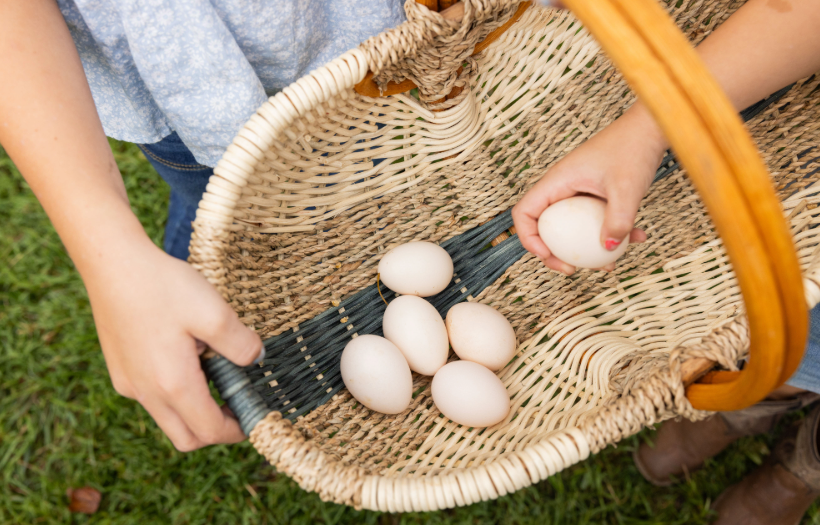
Healthy hens should produce eggs with strong, durable shells. If you are noticing thin eggshells, soft-shelled eggs, or shells that crack easily, your flock may be trying to tell you something.
Eggshell quality can provide valuable insight into a hen’s overall health, nutrition, and environment. While occasional shell abnormalities are normal, persistent thin shells often indicate an underlying issue that deserves attention.
Strong eggshells can be a clear indicator of good flock nutrition and management. Whether you’re raising a backyard flock or managing a larger flock of laying hens, understanding what affects shell quality can help you identify problems early and support long-term hen health.
The good news is that many causes of thin eggshells are manageable. By understanding how eggshells form and what factors can interfere with the process, poultry owners can take steps to support stronger shells and healthier egg production.
Why Are My Chicken Eggs Getting Thin Shells?
Thin eggshells are most often caused by inadequate calcium intake, poor calcium absorption, dehydration, heat stress, aging hens, illness, stress, or nutritional imbalances. Feeding a complete layer feed, providing clean water, and supporting overall flock health can help improve eggshell quality.
How Does a Hen Form an Eggshell?
Before exploring the reasons eggshells become thin, it helps to understand how shells are created.
A hen’s reproductive system works continuously during the egg-laying process. Once the yolk and egg white are formed, the egg spends approximately 20 hours in the shell gland, where calcium is deposited to create the shell.
Nearly all the calcium needed for shell production comes from the hen’s diet. If a hen cannot obtain enough calcium through feed, her body may pull calcium from her bones to support egg production. Over time, this can affect both shell quality and overall health.
The shell formation process also depends on:
- Calcium availability
- Phosphorus balance
- Vitamin D levels
- Adequate protein intake
- Consistent water consumption
- Healthy reproductive function
- Low stress levels
When any of these factors become compromised, eggshell defects can occur.
What Causes Thin Eggshells?
Eggshells are made primarily of calcium carbonate. Producing a strong shell requires a steady supply of calcium, phosphorus, vitamin D, water, and energy. When any part of that process is disrupted, shell quality can suffer.
Here are nine common reasons hens produce thin or fragile eggshells.
1. Your Hens Are Not Getting Enough Calcium
Calcium is the primary building block of an eggshell. Laying hens require significantly more calcium than growing chicks or non-laying birds.
If hens are consuming feed not formulated for active layers, they may struggle to meet their calcium needs.
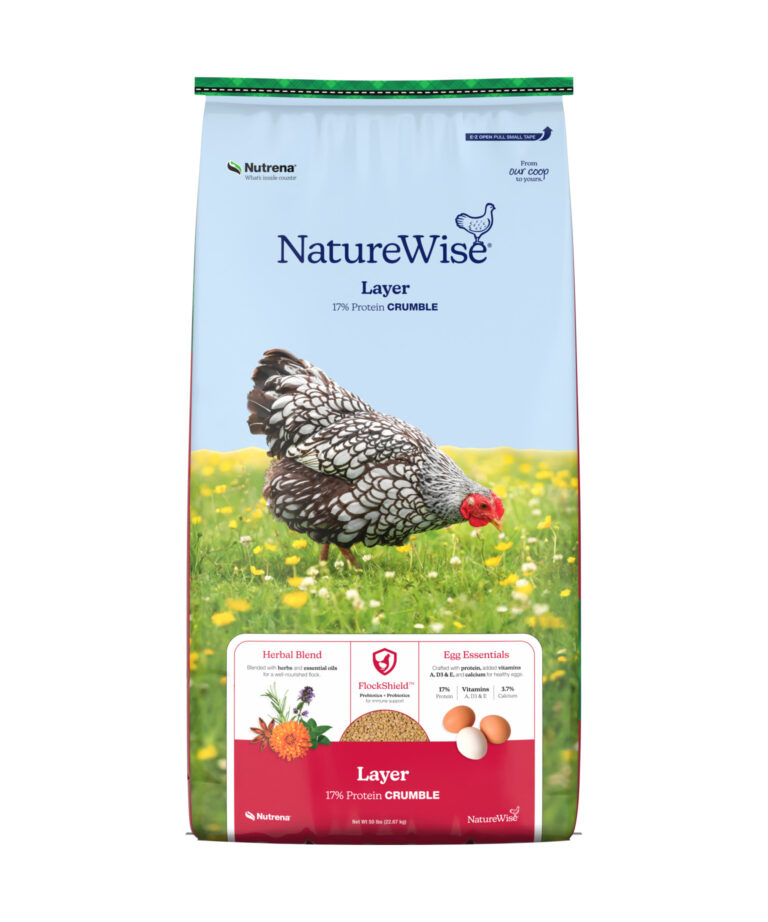
Look for a quality layer hen feed or chicken layer feed designed to support egg production and shell strength. Many poultry owners also provide free choice oyster shell as an additional calcium source.
Signs of calcium deficiency in your flock:
- Thin-shelled eggs
- Soft-shelled eggs
- Increased egg breakage
- Reduced egg production
2. Vitamin D Levels Are Too Low
Vitamin D helps hens absorb and utilize calcium effectively. Even if calcium is available in the diet, birds may not benefit fully without adequate vitamin D.
Commercial chicken layer feed formulations typically include vitamin D to help support proper calcium metabolism.
Without sufficient vitamin D, hens may struggle to absorb calcium efficiently, even when they’re consuming adequate amounts in their diet.
3. Your Hens Are Drinking Less Water or Not Getting Enough
Water is essential for every step of egg formation. Even temporary reductions in water consumption can impact egg production and shell quality.
This becomes especially important during hot weather when birds are more susceptible to dehydration.
Tips to encourage water consumption in your flock:
- Refill waterers frequently
- Keep water clean and cool
- Provide additional water stations for larger flocks
- Check regularly for leaks or blockages
4. Heat Stress Is Affecting Egg Production
High temperatures can reduce feed intake and increase stress levels in hens. When birds eat less, they often consume fewer nutrients needed for eggshell formation.
Heat stress can lead to:
- Thin eggshells
- Reduced egg size
- Lower egg production
- Increased panting
Provide shade, ventilation, and plenty of fresh water during hot weather to help support flock comfort.
5. Your Hens Are Getting Older
As hens age, eggs naturally become larger while shell quality often declines. This is a normal part of the laying cycle.
Many poultry keepers notice stronger shells during a hen’s first laying seasons and thinner shells later in life.
Although aging cannot be prevented, excellent nutrition can help support shell quality throughout a hen’s productive years.
6. Disease or Illness May Be Present
Certain health challenges can affect a hen’s ability to produce strong shells. Respiratory illnesses, reproductive tract issues, and other diseases may contribute to poor shell quality.
If thin shells appear suddenly across multiple birds, consult a veterinarian or poultry health professional for guidance.
7. Hens Are Consuming Too Many Treats
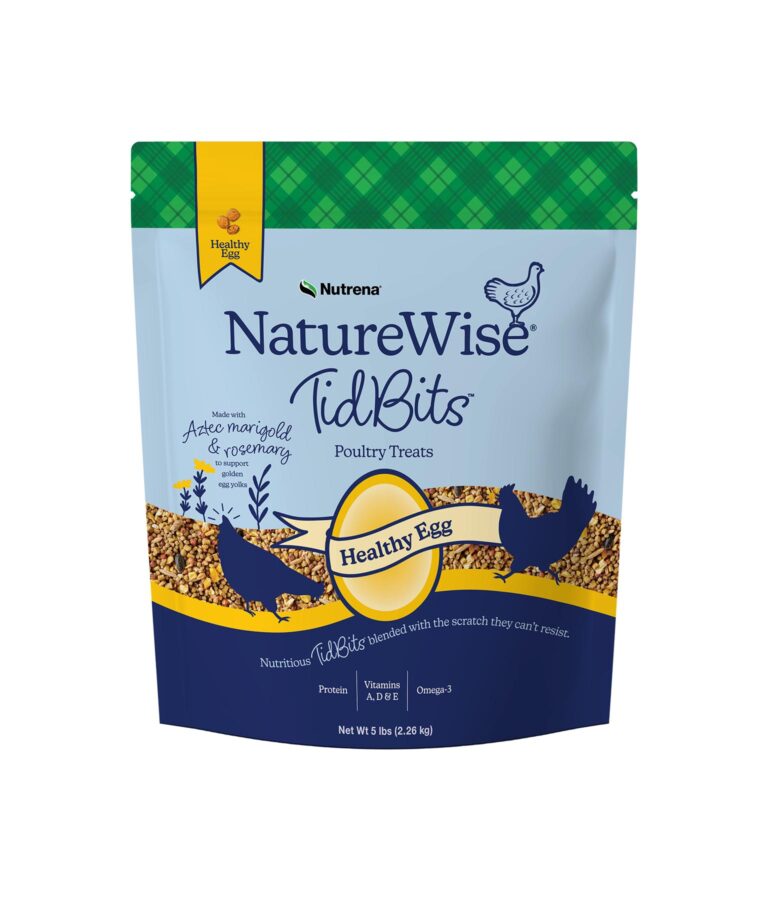
Scratch grains, kitchen scraps, and treats can be enjoyable additions to your flock’s routine, but too many can dilute important nutrients.
When hens fill up on treats, they may consume less poultry layer feed, resulting in nutritional gaps.
A good rule of thumb is to ensure balanced feed remains the primary portion of the diet.
8. Stress Is Disrupting the Laying Process
Changes in the environment can impact egg quality.
Common stressors include:
- Predator pressure
- Introduction of new birds
- Sudden weather changes
- Overcrowding
- Relocation of the flock
Reducing unnecessary stress may help support more consistent egg production and shell formation.
9. Nutrient Balance Is Off
Eggshell quality depends on more than calcium alone. Phosphorus, trace minerals, protein, and other nutrients all contribute to healthy egg production.
Feeding a complete layer feed helps provide the nutritional balance hens need to support strong eggs from the inside out.
How Can I Help My Hens Produce Stronger Eggshells?
If your flock is laying thin-shelled eggs, start by evaluating these key areas:
- Feed a complete laying hen feed
- Ensure hens have constant access to fresh water
- Offer supplemental calcium when appropriate
- Minimize heat and environmental stress
- Monitor flock health regularly
- Limit excessive treats and scraps
Small adjustments can often make a big difference in shell quality
What Should I Feed My Hens with Thin Eggshells?
Nutrition is often one of the first places to evaluate when shell quality declines.
Look for a complete layer hen feed formulated specifically for egg-laying birds. A quality laying hen feed helps provide:
- Calcium for shell formation
- Vitamin D for calcium utilization
- Phosphorus for nutrient balance
- Amino acids to support egg production
- Essential vitamins and minerals
Consistent nutrition can help hens maintain strong eggshell quality throughout the laying cycle.
Final Thoughts on Thin Eggshells
Thin eggshells are often one of the first signs that something in a hen’s environment, nutrition program, or overall health needs attention. While occasional shell abnormalities are normal, consistently thin or fragile eggs are worth investigating.
Providing a high-quality layer feed, ensuring access to fresh water, offering supplemental calcium when needed, and minimizing stress can help support stronger shells and productive hens throughout the laying cycle.
If eggshell quality suddenly declines or is accompanied by other signs of illness, consult a veterinarian or poultry professional to determine the underlying cause.