Are Bantam Chickens Right for You?
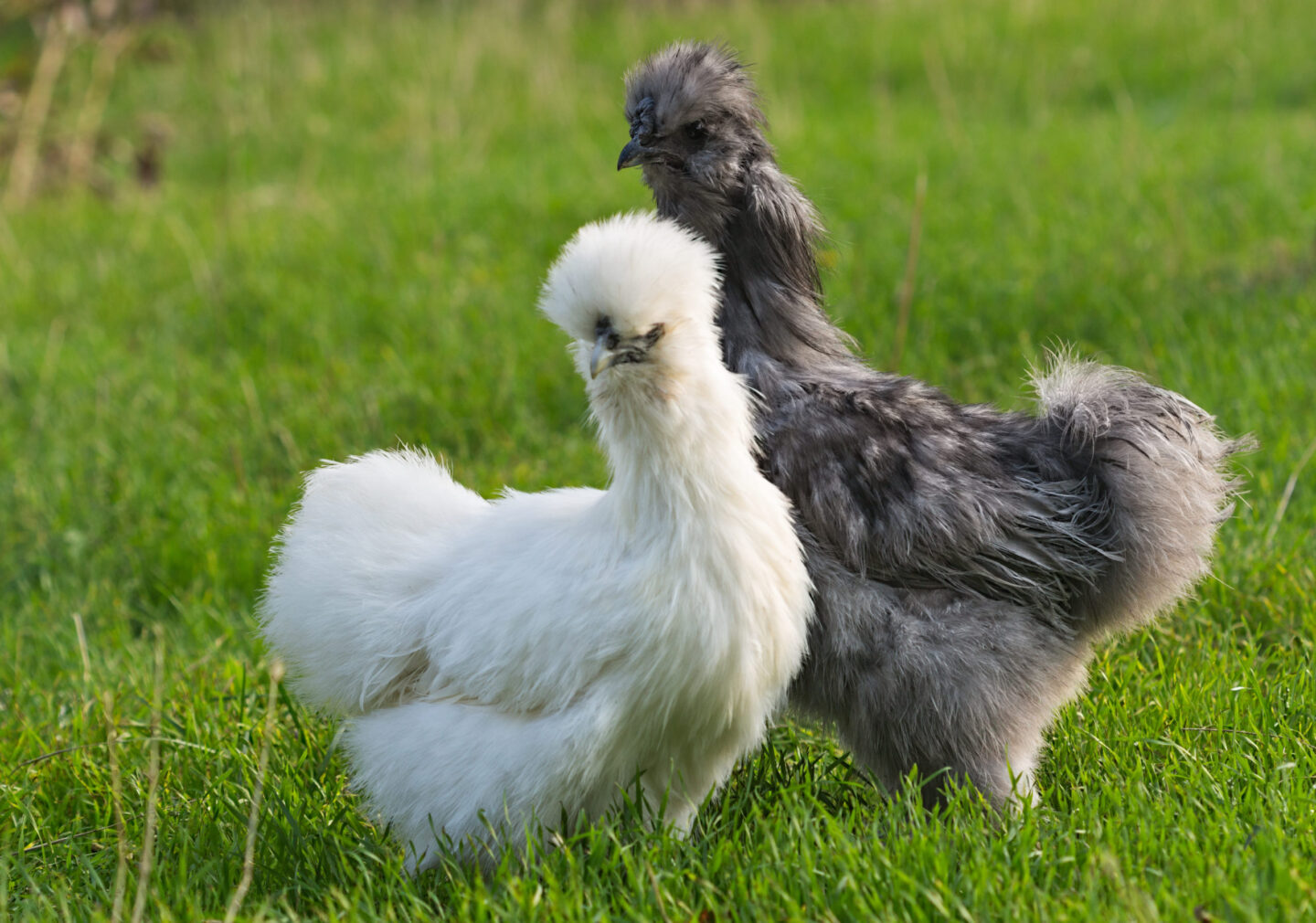
Bantam chickens have a big personality packed into a pint‑sized frame, making them a favorite among backyard poultry lovers. They are cute, charming, and fun to watch, and for families with young children, bantams can be an easy and enjoyable introduction to poultry keeping. Before you bring home these miniatures, it helps to understand what makes them unique, along with the benefits and challenges of raising them.
Table of Contents
Key Takeaways
- Bantam chickens have big personalities in a small size, making them great for families and beginners.
- They lay smaller eggs and are not high producers, which can be a downside for some owners.
- Bantams tend to go broody and need special care to prevent predation and cold vulnerability.
- Feed them crumble or mini pellet sizes, and provide extra warmth during freezing temperatures.
- Bantams are friendly and charming, ideal for those who understand their unique needs and limitations.
What Makes Bantams Special?
Bantams are the “mini versions” of full‑size chickens. Their small size makes them:
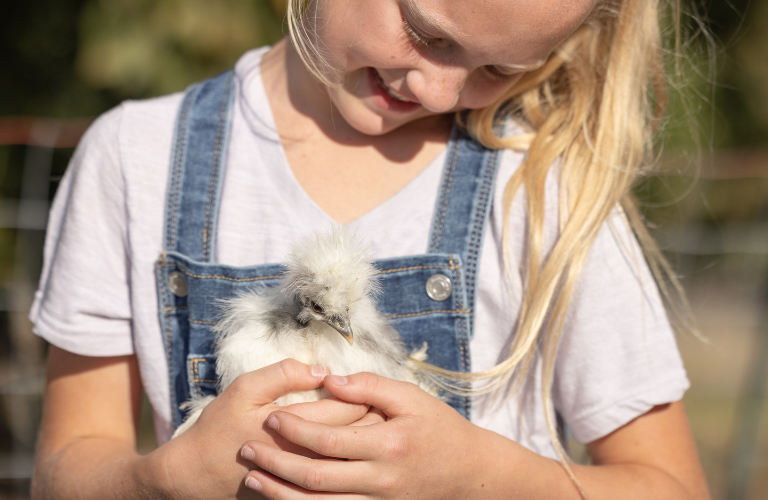
- Easy to handle, especially for kids
- Great for beginners who want to get involved in showing or exhibition
- Known for sweet temperaments and docile personalities
Their charm alone wins many people over, but it is important to know what to expect before adding them to your flock.
Understanding the Downsides
Because bantams are so small, they simply cannot deliver the same production or durability as standard‑size breeds. Here are a few realities to keep in mind:
- Small Birds, Small Eggs
Bantams lay adorable eggs, but they are much smaller and not produced in high volume. If you are looking for consistent output for your kitchen, these might not be the birds to depend on. - Strong Broody Instincts
Bantams tend to go broody often. That means they want to sit on and hatch just about everything they lay. If you are not looking to expand your flock, you may need to manage their broody behavior more frequently. - Less Predator and Cold Hardy
Their small bodies make them more vulnerable to predators and cold weather. In mixed flocks, larger hens can also pick on bantams. For this reason, it is usually best to keep bantams in a bantam‑only flock where they feel safe and can thrive.
Do Bantams Have Special Care Requirements?
For the most part, bantams eat and behave just like standard chickens. However, there are a couple of important differences to consider to keep them healthy and comfortable.
Feed Size Matters
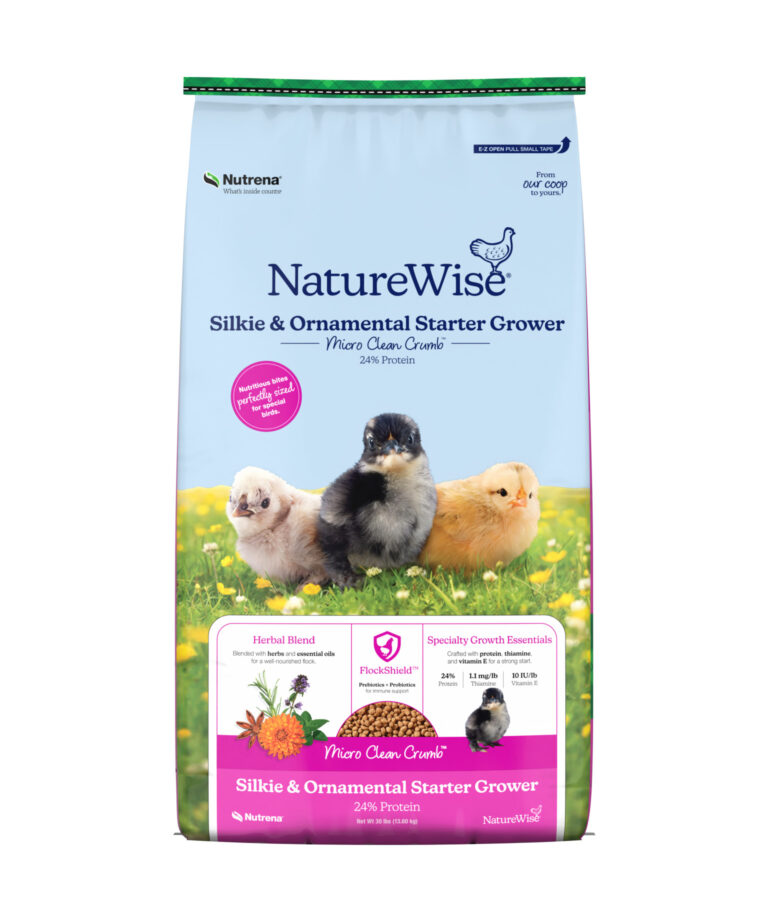
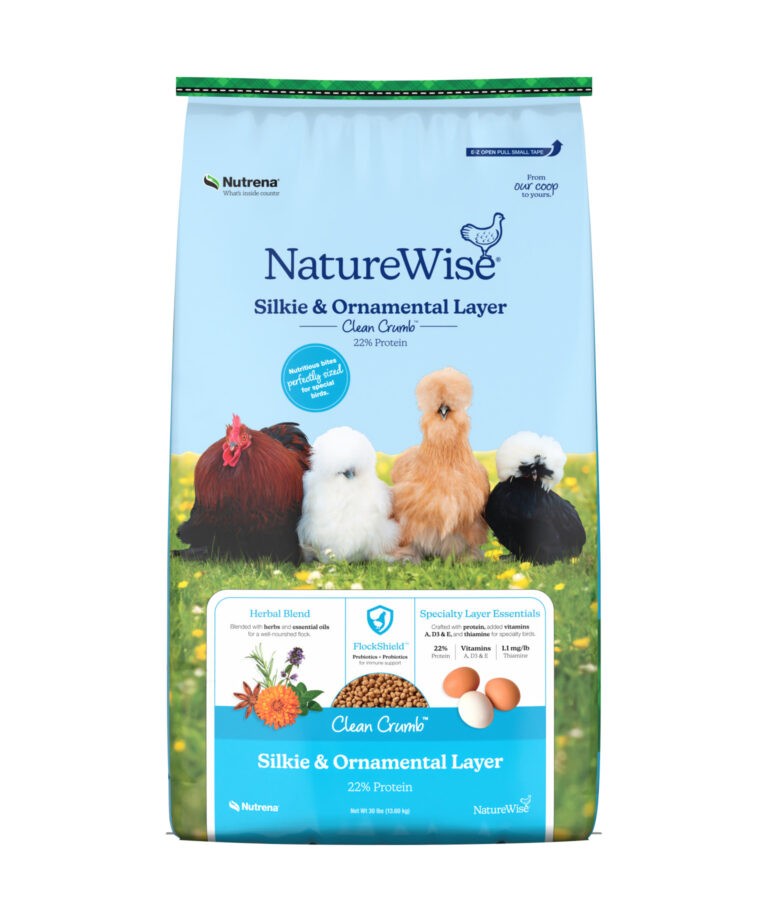
Although they eat the same diet as full‑size chickens, their small beaks make it hard to eat full‑size pellets. Choosing a crumble or mini pellet is usually best. High‑quality options like Silkie & Ornamental Starter Grower 24% Protein Micro Clean Crumb or Nutrena Silkie & Ornamental Layer 22% Protein Clean Crumb formulations provide the nutrition they need without the struggle.
Extra Winter Attention
If you live in a cold climate such as the Midwest or Northeast, your bantams may need added support during winter. They are not as cold tolerant as heavier breeds and often benefit from being kept indoors in a garage or basement during extreme temperatures.
If you choose to heat your coop, avoid heat lamps because of the fire risk. Instead, use a safer radiant heater designed specifically for poultry. While most chickens do just fine without added heat, bantams sometimes need a bit of extra help when temperatures drop.
Is a Bantam Flock Right for You?
If you are looking for birds that are friendly, fun, and full of personality, bantams are a fantastic choice. They are particularly enjoyable for families, hobbyists, and exhibitors. Just be sure your expectations match what they naturally offer. They are not high‑production layers, and they need thoughtful protection from predators and cold weather.
When you care for them with the right housing, safe heat choices, and a high‑quality crumble feed, these little birds will reward you with big charm and lively companionship.