Biosecurity Tips for Poultry Shows
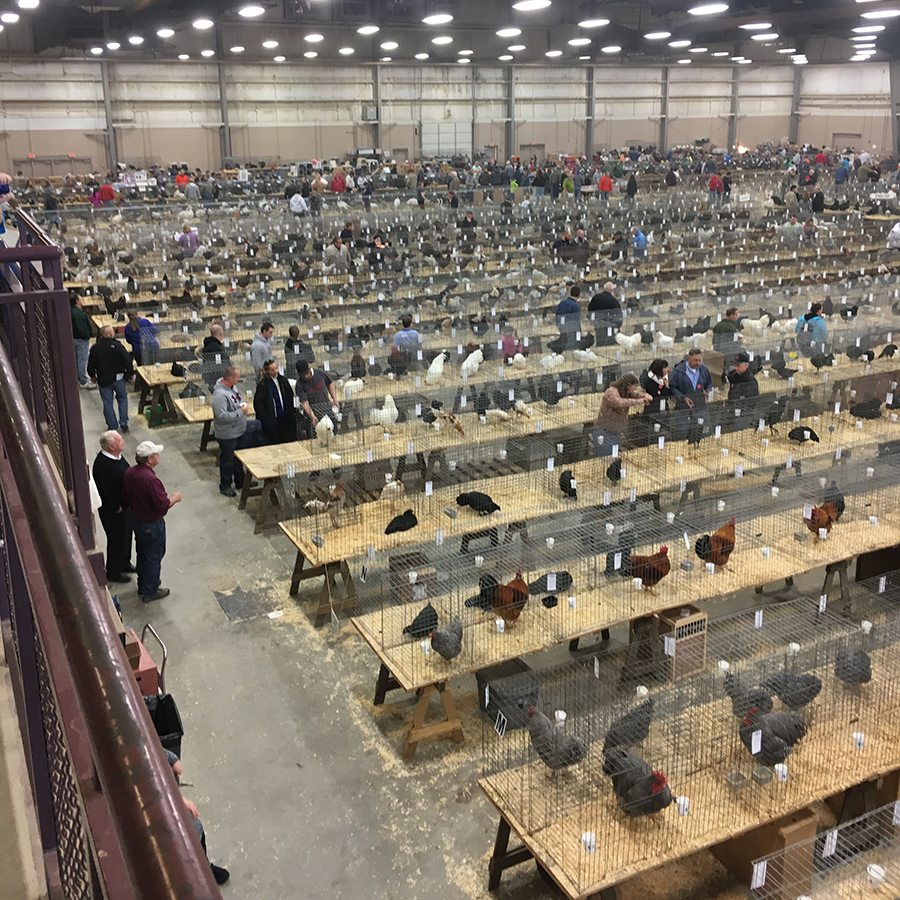
Biosecurity is always an important consideration for your feathered friends, but especially when attending poultry shows. Here is a list of some considerations to take into account when preparing, attending and returning home from shows.
Table of Contents
Key Takeaways
- Monitor your birds for at least 14 days before the show; isolate any sick animals to prevent disease spread.
- Use dedicated shoes around your flock to avoid bringing in avian diseases from public places.
- Clean water and cages daily during the show, and prevent wild birds from accessing feed and water.
- After the show, disinfect cages with a bleach solution and isolate show birds for 30 days to monitor for illness.
- Wait at least 30 days before showing the same birds again to ensure their health and immunity.
What to Do Before You Head to a Poultry Show
Pay close attention to the birds that you are planning on bringing to the show. It is a good idea to monitor birds at least 14 days in advance to the show. If your birds are lethargic or have any signs of illness, those animals should be left at home to prevent spreading disease to other animals at the show. We also recommend giving your show poultry electrolytes about a week before the event. The electrolytes can give a boost to the bird’s immune system, which will help the bird fight off disease.
Why Dedicated Shoes Matter for Poultry Biosecurity
Have a pair of shoes that are dedicated to your flock. This means that you only wear these shoes on around your flock at home. There are many poultry diseases that can be spread to your flock by wearing shoes in public places. There are potentially numerous avian diseases at poultry shows and you could carry those diseases on your shoes and bring them back to your flock at home.
How to Protect Your Birds During the Show
Make sure to clean water and cages daily. Do your best to prevent wild birds from eating or drinking from your feed and water. Wild birds are a primary culprit to spread avian diseases to poultry and your birds may have a higher chance of exposure to wild birds during shows events.
- Make sure to separate different species of poultry. You should never have chickens, ducks, and turkeys co-mingled.
- Do not share equipment with other exhibitors. It is a nice gesture to help your competition, but sharing equipment dramatically increases exposure to avian diseases.
- Always wash your hands after handling animals.
Cleaning and Disinfecting After a Poultry Show
Make sure to thoroughly clean your cages and equipment after the show. You can disinfect cages and equipment with household bleach and water at a ¾ cup of bleach per gallon of water ratio.
Why Post‑Show Isolation Is Essential
It is good to keep your show birds isolated from the rest of the flock for about 30 days after a poultry show. The show birds may not initially demonstrate any signs of illness or disease, but an outbreak could occur a few weeks after the show and cause an infestation to your entire flock. The stress of traveling and the show environment can weaken the immune system of birds and make them more susceptible to illness. For this reason, we also recommend that you wait at least 30 days before you show the same birds at the next event.
Good luck and take time to enjoy the showing experience!