Chicken Molting: What to Expect and How to Feed Through Molt
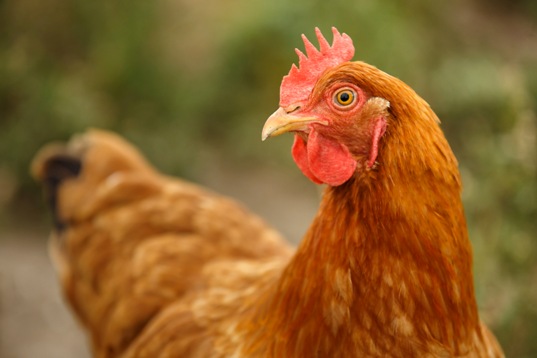
As daylight hours decrease and temperatures begin to cool, chickens naturally begin the molting process. Molting is when chickens shed old feathers and grow new ones. During this time, hens often can see slowing or even stopping of egg production. Providing a high-quality, high-protein chicken feed can help support healthy feather regrowth and overall flock health during molt.
Table of contents
Key Takeaways
- Molting is a natural process in chickens, requiring them to shed old feathers and often leading to a temporary halt in egg production.
- During molt, chickens need a high-protein diet to support feather regrowth and maintain overall health.
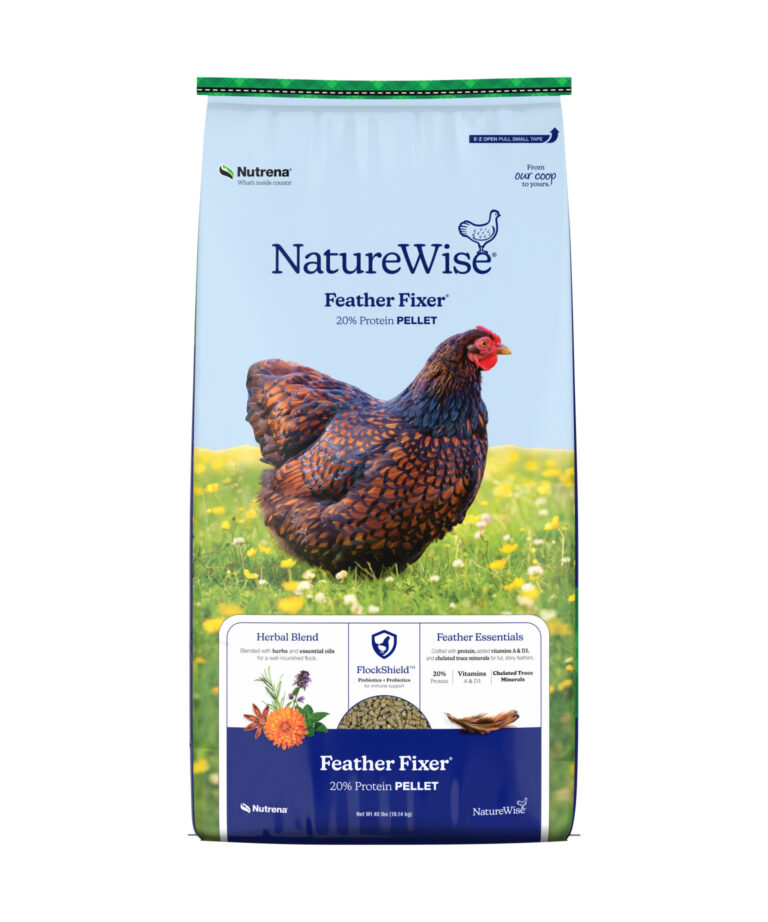
- Feeding Nutrena® NatureWise® Feather Fixer® provides essential nutrition and helps chickens return to laying eggs more quickly.
- Management practices, like reducing stress and avoiding flock changes, further support chickens during molt.
- Molting varies per individual chicken, with some regrowing feathers in 3-4 weeks while others may take 12-16 weeks.
What is Chicken Molting?
For people, shorter days and cooler temperatures are a sign that it is back-to-school season and fall. For chickens, it is a sign that it is time to renew their feathers.
Losing feathers and regrowing them is called molting and typically occurs each year as the days become shorter. Molting is a normal and natural process that allows chickens to replace old, worn feathers with healthy new ones.
Molting is a normal biological process triggered primiarily by decreasing daylight hours, and poultry specialists note that healthy birds naturally redirect their energy from egg production to feather replacements during this time according to Mississippi State University Extension and Texas A&M College of Veterinary Medicine.
Why Do Chickens Stop Laying Eggs During Molt?
During molt, chickens typically stop laying eggs completely or reduce laying significantly and use this time to build up nutrient reserves. Producing new feathers requires a significant amount of energy and nutrients, especially protein.
Even though hens may not be laying during this period, it is critical to continue feeding a high-quality poultry feed so birds have the nutrients needed to support feather growth and maintain overall condition.
How Long Does Chicken Molting Last?
Just as chickens have individual personalities, they will experience molt differently.
Some birds lose only a few feathers and regrow them within 3 to 4 weeks. Other chickens lose a substantial number of feathers and may take 12 to 16 weeks to fully regrow them.
Chickens lose feathers in a sequence, beginning with the head and neck, then moving down the back, across the breast and thighs, and finally the tail feathers. New feathers, known as pin feathers, emerge and grow back in the same sequence.
What Should You Feed Molting Chickens?
Feathers are approximately 85% protein, making nutrition especially important during molt.
Top feeding recommendations include:
- Feed a high-protein chicken feed that provides complete nutrition
- Make free-choice feed available
- Limit scratch grains to no more than 10% of the diet during molt so you do not dilute the protein content of the ration
- Choose a quality poultry feed containing at least 16% protein. Higher-protein feeds can help support feather development during this nutritionally demanding stage.
- If feeding a complete and balanced diet, additional vitamins, supplements, or medications are generally not necessary.
Providing proper nutrition during molt can help support healthy feather regrowth and prepare hens to return to egg production after the molt is complete.
How Nutrena® NatureWise® Feather Fixer® Supports Molting Chickens?
Feeding a high-quality ration such as Nutrena® NatureWise® Feather Fixer® during molt can help support birds through the molting process and get them back to laying eggs as quickly as possible.
NatureWise Feather Fixer is a unique life-stage poultry feed that can also be fed year-round if desired. It contains elevated levels of protein along with a blend of vitamins, minerals, and amino acids that help maintain healthy skin and support the development of strong, beautiful new feathers.
For flock owners looking for a high-protein chicken feed during molt, NatureWise Feather Fixer provides complete nutrition in a single feed, eliminating the need to supplement with other protein sources.
Tips: Caring for Chickens During Molt
In addition to proper nutrition, a few simple management practices can help support chickens during molt:
- Reduce stress as much as possible
- Avoid introducing new birds into the flock during molt if possible.
- Chickens should generally behave normally during molt. If a bird appears sick, another health issue may be present.
- Remember that both hens and roosters go through the molting process
- Avoid excessive handling during molt, as new feathers can be sensitive and handling may increase stress
If your chickens start losing feathers and stop laying eggs, there is usually no need to panic. Molting is a normal and natural process that all chickens experience.
One of the best ways to support your flock during molt is by providing a high-quality, high-protein chicken feed. With proper nutrition and good flock management, most chickens move through molt successfully and return to laying once their new feathers are fully grown.