Proper Bedding for Chickens: How To Keep Your Coop Clean, Comfortable, and Odor Free
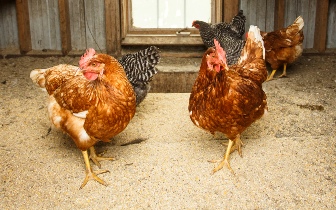
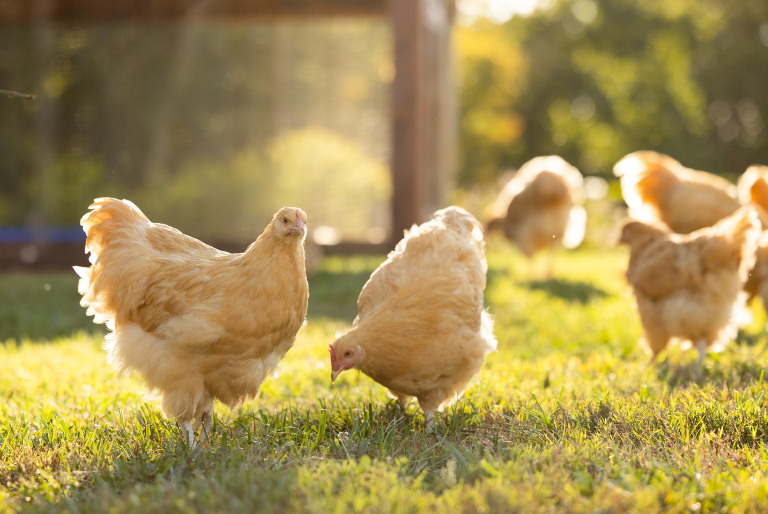
Keeping chickens doesn’t have to come with unpleasant smells. The truth is, chickens only stink when bedding gets wet or ventilation is poor. With the right bedding and simple upkeep, your coop can stay fresh and your flock can stay healthy.
Below is everything your readers need to know about choosing, maintaining, and refreshing coop litter.
Table of Contents
Key Takeaways
- Good chicken bedding keeps the coop fresh and healthy by absorbing moisture, insulating, and allowing dust bathing.
- Wood shavings serve as the most popular chicken bedding, offering excellent odor control and absorbency.
- Sawdust, straw, and dry leaves can also be used, but each has drawbacks regarding cleanliness and absorbency.
- Maintain bedding by keeping it dry, stirring it weekly, and performing a deep clean every six months.
- Old bedding can be composted or reused in the garden, enhancing soil quality and moisture retention.
Why Bedding Matters in a Chicken Coop
Bedding, often called litter, does more than cushion the coop floor. It needs to:
- Absorb moisture
- Insulate against cold ground
- Give chickens a place to dust and stay clean
Chickens don’t urinate like mammals. All waste exits the body as solid feces, which helps keep bedding dry and easier to manage.
Best Bedding Options for Backyard Chickens
1. Wood Shavings (Most Popular Choice)
Wood shavings are widely loved for good reason. They are:
- Pleasant smelling
- Extremely absorbent
- Slow to compact
- Easy to find in feed stores or from local woodworkers
This bedding naturally stays fresh and keeps odors under control. It is the best all‑around choice for most coops.
2. Sawdust
Sawdust also absorbs moisture well, but it is dusty. Chickens kick it up as they move, and the fine dust settles on roosts, nesting boxes, and equipment. It works, but it may require more cleaning and better ventilation.
3. Straw
Straw is inexpensive and easy to find. However:
- It’s less absorbent than wood shavings
- It mats down quickly
- It’s harder to shovel out when cleaning
It can work in a pinch, but it is not ideal for long‑term odor control.
4. Dry Leaves
Dry leaves are free and surprisingly useful. They absorb moisture reasonably well and chickens enjoy scratching through them. The downside is that they:
- Are only available seasonally
- Break down quickly into dust
They can be a great supplemental bedding in fall but usually need to be replaced more often.
How Deep Should Bedding Be?
Four to six inches of clean, dry wood shavings is enough for most backyard coops. When kept dry, this amount can last six months or more before needing a full refresh. As chickens scratch and stir the litter, droppings mix in and break down naturally.
How To Maintain Coop Bedding
1. Keep It Dry
Dry bedding is odor‑free bedding. If a waterer tips over or leaks, remove the wet area immediately and replace it with fresh shavings. Otherwise, smells develop fast.
2. Stir and Inspect Regularly
A quick weekly fluffing with a rake or gloved hand keeps things aerated and clean.
3. Deep Clean Every Six Months
About twice per year, remove all bedding. A snow shovel works surprisingly well for scooping out compacted material. Replace with a fresh layer of clean shavings.
4. Compost or Reuse the Old Bedding
Used litter can be composted or mixed thinly into garden soil. It increases organic matter and improves moisture retention.
The Hidden Benefit: Dust Baths
Chickens love dust bathing. They fluff bedding into their feathers, shake it through their plumage, and come out cleaner than before. Dust baths:
- Keep feathers in great condition
- Help control parasites
- Keep birds happy and relaxed
Good bedding supports this natural behavior.