
Neglected Horses
Understanding and Managing Neglected Horses
-
Understand the Horse’s Condition
The first step when recuperating a neglected horse, should be to having a veterinarian conduct a complete physical exam of the horse to check for immediate concerns and overall health. This will reveal if there is a serious disease that requires more advanced care and treatment.
You will also want to determine the Body Condition Score (BCS) of the horse using The Henneke System. This is an important indicator of the rehabilitation steps needed and will help you understand the severity of its weight loss. The horse can also be weighed to help determine its condition.
-
Malnourished Horses
Horses with a BCS of 3 or higher can normally be brought to the target BCS of 5 in about six to eight weeks. These horses should be fed a balanced diet at 1.5% of their bodyweight in four or five feedings per day. A balanced diet would constitute 50% good quality hay and 50% concentrate feed. The amount of feed can be gradually increased to 2.5-2.8 % of bodyweight with hay offered free choice and grain being fed two or three times a day (with a maximum .5% bodyweight per feeding).
Complete feeds, such as Nutrena SafeChoice Senior, are well-suited to feed neglected horses due to their controlled starch, high digestibility and easy-to-chew attributes. Additionally, neglected horses are often salt-starved. Therefore, salt should be introduced gradually at one to two ozs. per day and increased until it can be given free choice. At all times, fresh, clean water should be available.
-
Starved Horses
Horses with a BCS of 1 or 2 have experienced actual starvation. These situations typically happen over 60 to 90 days without feed or more often three to four months with very poor water and forage. Horses in these situations are often hypoglycemic and hyperkalemic due to muscle mass and fat loss. If the horse is able to get up and has lost less than 45-50 % of its bodyweight, it can normally be rehabilitated. If it has lost 45-50% of its bodyweight and is not able to get up, be aware that the chances of successful rehabilitation may be reduced significantly.
-
Alfalfa Hay Option
Quality alfalfa hay is a good base for a high-protein, low-starch diet. Frequent, small amounts of quality alfalfa hay should be fed, with the amount of alfalfa slowly increasing for each meal. The number of feedings should decrease gradually over 10 days, and after 10 to 14 days, the horse can be given free-choice feeding. If the horse’s dental condition is poor, alfalfa cubes or pellets may be used and soaked prior to feeding.
-
Senior Horse Feed Options
Senior horse feeds with a controlled starch design, added amino acids, prebiotics and probiotics, balanced trace minerals and vitamins are a good option to give a neglected horse the nutrients it needs. The feed should be introduced at a rate of 0.5% bodyweight in several small feedings per day. Over a 10- to 14-day period, the amount of feed should slowly increase per meal while the number of feedings gradually decrease. By the end of this period, the horse should be at a normal feeding rate according to feeding directions. The feed can also be soaked in warm water for up to 15 minutes to form a mash for horses with poor teeth.
Necessary Additional Care to Aid Recovery
- Deworming
- Vaccinations
- Hoof Care
These are all important elements of fully rehabilitating a neglected horse. To learn more about these care elements, please refer to the Nutrena Neglected Horse Care brochure.
Our Exclusive Technologies to Support Neglected Horses
-

Digestive Shield™
Supports your horse’s gut and immune health with our precise blend of controlled starch, pre + pro + postbiotics, and calcite
-

Nutri-Bloom Advantage®
Increases fiber digestion to support more muscle tone, better body condition, and improved overall health


Controlled Starch
Pioneered by Nutrena
The Nutrena brand changed the feed industry over 20 years ago with the debut of the original SafeChoice Horse Feed, the first-ever controlled starch horse feed to hit the market. By “controlling” and setting maximums on the starch and sugar levels, our SafeChoice horse feed provided a new direction in the feed industry and helped reduce the prevalence of digestive concerns for a wide variety of horses.
Recommended Products for Neglected Horses
-
 SafeChoice
Special Care
14% Protein7% Fat21% Fiber10% NSCLow controlled starch formula with only 10% NSC for horses with metabolic concerns and easy keepers – now with Digestive Shield™Learn More -
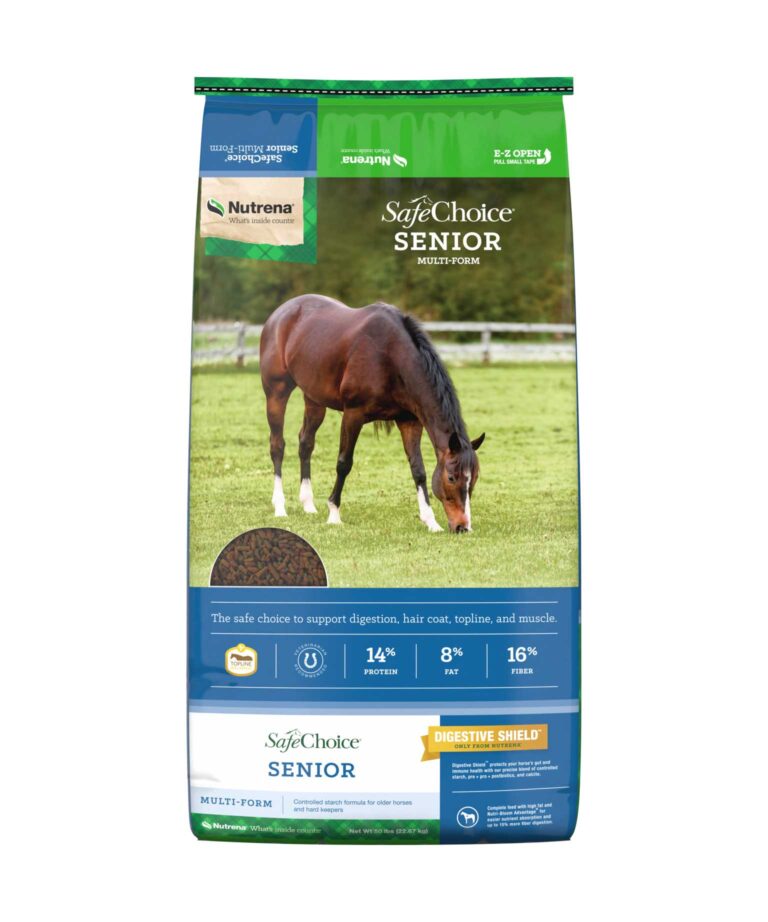 SafeChoice
Senior
14% Protein8% Fat16% Fiber18% NSCHigh fat and controlled starch formula designed for the unique needs of performance horses, hard keepers and older horses – now with Digestive Shield™Learn More -
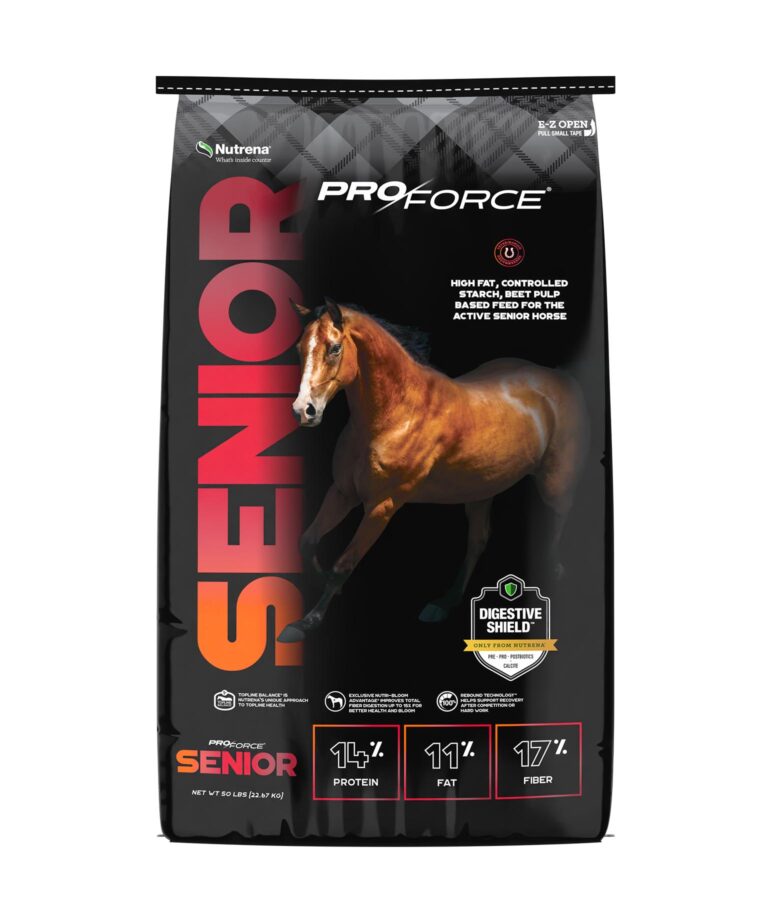 ProForce
Senior
14% Protein11% Fat17% Fiber18% NSCHigh fat, beet pulp based complete feed for the needs of active senior horsesLearn More