

Polysaccharide Storage Myopathy
Understanding how nutrition fits into the management of polysaccharide storage myopathy (PSSM) can help support horses affected by abnormal muscle glycogen storage and related muscle challenges. Explore information on causes, clinical management considerations, and nutrition recommendations designed to support muscle health, appropriate energy metabolism, and overall well-being.
Understanding and Managing Polysaccharide Storage Myopathy (PSSM)
-
What Is PSSM?
- PSSM is a muscle disease and one form of tying up. When tying up becomes chronic, it is termed RER or recurrent exertional rhabdomyolysis.
- Polysaccharide Storage Myopathy (type 1 PSSM) is caused by a genetic mutation that results in excessive glycogen storage in skeletal muscle.
- A second form of PSSM, not caused by the mutation, has been coined type 2 PSSM. There is a more severe form of type 2 PSSM called MFM (myofibrillar myopathy).
- It is proposed that affected horses have an abnormality of glycogen synthesis regulation that leads to storage of unmetabolized carbohydrate in the muscles.
- Horses with type 1 PSSM are unable to normally store and use sugar in skeletal muscle. Causes of type 2 PSSM are currently unknown.
- Clinical signs are those typical of tying up, including muscle stiffness, pain, profuse sweating and reluctance to move. Rest for a few days prior to exercise is a common triggering factor. Some horses with type 1 PSSM are asymptomatic. Type 2 PSSM may have similar signs although many common clinical signs included those of poor performance, including a drop in energy level and unwillingness to perform after 5-10 minutes of work. Undiagnosed gait abnormality, sore muscles, and slow onset of muscle atrophy are also described.
-
Dietary and Management Recommendations for PSSM1
- On a total diet basis (hay and feed), provide less than 15% of the daily digestible energy intake as dietary starch and at least 15% of the daily digestible energy intake from fat sources.
- In practical terms, the majority of the diet should consist of high quality forages such as alfalfa hay or grass-alfalfa mix, with a total NSC (WSC+Starch) lower than 12%.
- Affected horses should have minimum contact with lush pasture grass as high levels of fructans (plant sugars) can exacerbate problem.
- Select a feed with high quality protein content, containing high quality amino acids.
- The majority of horses with PSSM1 are easy keepers, and should be fed a low NSC forage; 30% protein diet balancer (to manufacturer’s recommendations) with high quality amino acids; and 1-2 pounds of fat supplement per day.
- If additional calories are warranted, they should be provided in the form of fat.
- Ensure the total diet includes 2000 IU/day of vitamin E. Additional supplementation may be needed for specific individual horses, based on serum vitamin E level.
- Access to salt and fresh water at all times.
- Minimize stress and provide regular routine with exercise, turnout and feeding.
- PSSM1 horses respond most favorably to both diet and exercise change. Typically, after 3-6 months of therapy, post-exercise serum concentrations of CK are within reference limits.
-
Dietary and Management Recommendations for PSSM2
- Minimize calories sourced from dietary fat (fat can act as a pro-oxidant and exacerbate oxidative cell damage), and instead utilize digestible fiber and moderate levels of starch and sugar. Typical concentrates should contain 25-30% NSC.
- Select a feed with high quality protein content, containing high quality amino acids.
- PSSM2 horses lacking in muscle mass or strength, benefit from a branch-chain amino acid supplement, given within 45 minutes post-exercise.
Our Exclusive Technologies to Support PSSM
-

Digestive Shield™
Supports your horse’s gut and immune health with our precise blend of controlled starch, pre + pro + postbiotics, and calcite
-

Nutri-Bloom Advantage®
Increases fiber digestion to support more muscle tone, better body condition, and improved overall health
Recommended Products for PSSM
-
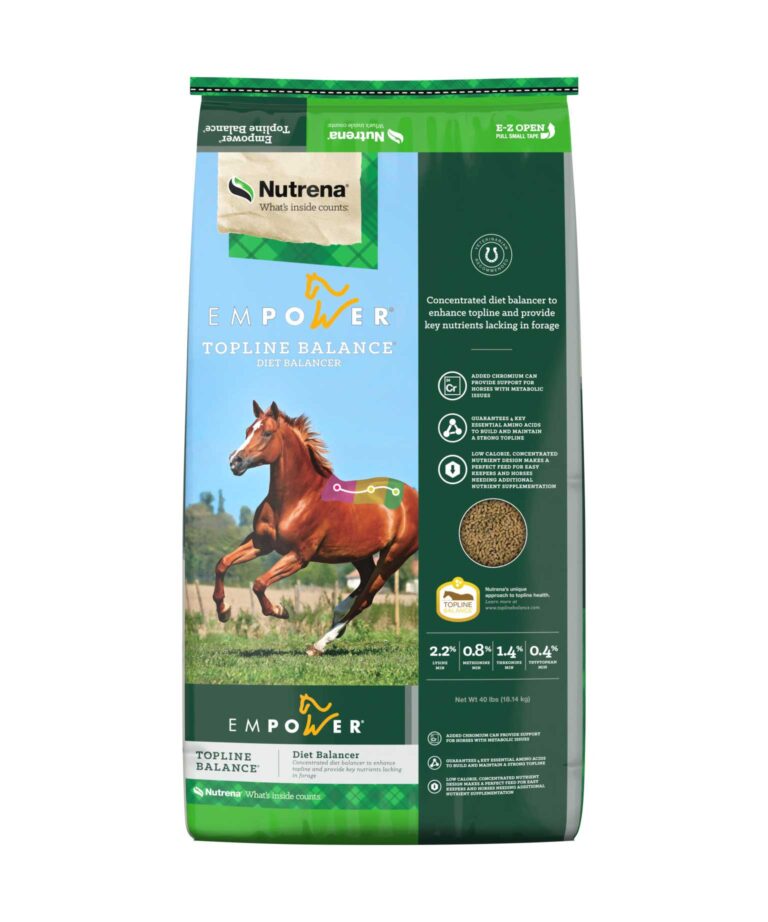 Empower
Topline Balance
30% Protein5% Fat8% FiberConcentrated diet balancer to enhance topline and provide key nutrients lacking in forageLearn More -
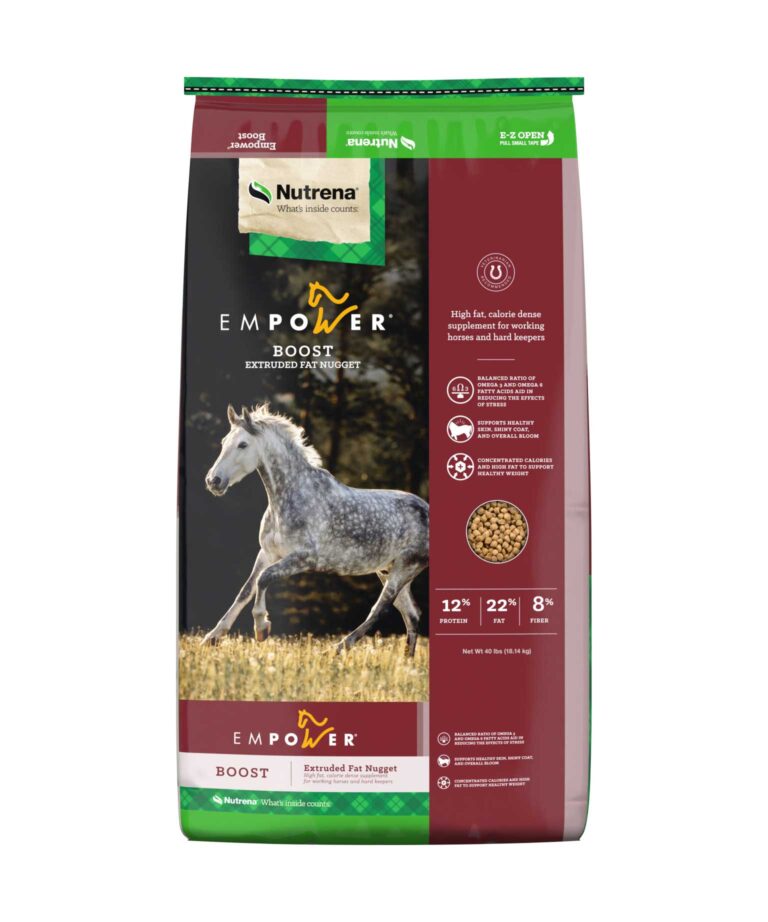 Empower
Boost
12% Protein22% Fat8% FiberHigh fat, calorie dense supplement for working horses and hard keepersLearn More -
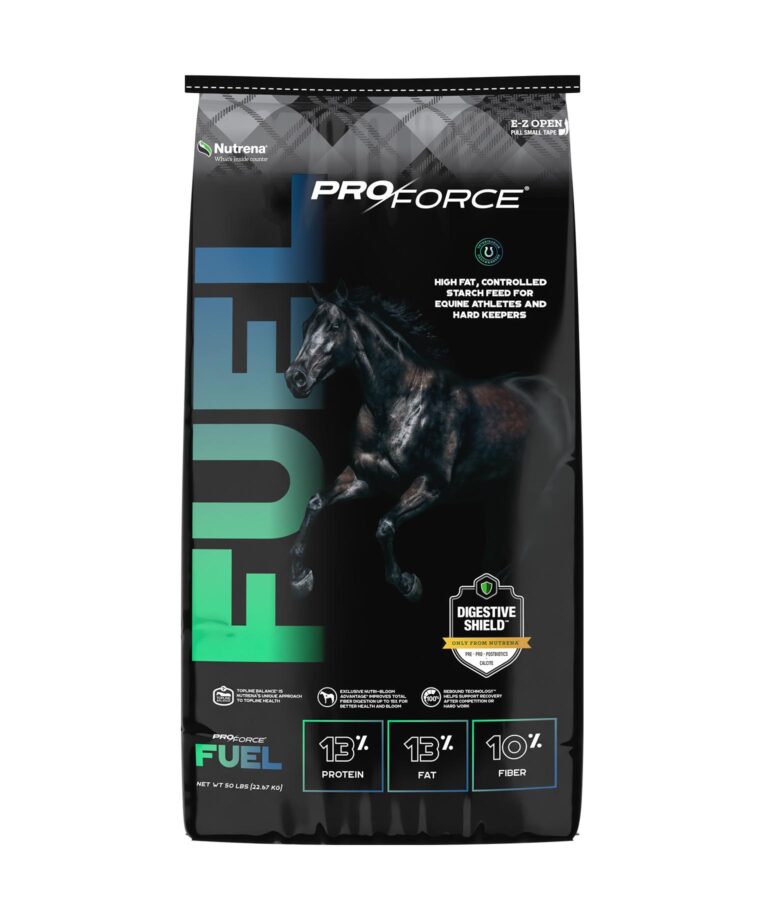 ProForce
Fuel
13% Protein13% Fat10% Fiber20% NSCHigh fat, controlled starch feed for equine athletes and hard-keepersLearn More